
Anticancer Drugs: Innovations, Applications, and Future Trends
Explore the evolving world of anticancer drugs, their applications, market trends, benefits, challenges, and future innovations in cancer treatment.
Introduction
Cancer continues to be one of the leading causes of mortality worldwide, posing significant challenges to healthcare systems and patients alike. In the fight against this complex disease, anticancer drugs have emerged as a cornerstone of modern oncology treatment, transforming patient outcomes and offering hope for remission and improved quality of life.
This article delves into the world of anticancer drugs, exploring their fundamental concepts, diverse applications, current market dynamics, and the exciting future of cancer therapeutics. Whether you are a healthcare professional, industry stakeholder, or simply curious about cancer treatment innovations, this comprehensive guide will shed light on the critical role these drugs play in battling cancer.
Technology and Concept Overview
Anticancer drugs are pharmaceutical agents specifically designed to inhibit the growth and spread of cancer cells. These drugs can be broadly categorized into several types, including chemotherapy agents, targeted therapy, immunotherapy, hormone therapy, and newer modalities like gene therapy.
- Chemotherapy: Traditional anticancer drugs that kill rapidly dividing cells, often leading to side effects due to their impact on healthy cells.
- Targeted Therapy: Designed to interfere with specific molecular targets involved in cancer progression, minimizing damage to normal cells.
- Immunotherapy: Boosts the body's immune system to recognize and attack cancer cells more effectively.
- Hormone Therapy: Used primarily for cancers like breast and prostate, where hormones fuel tumor growth.
- Gene Therapy: An emerging field focused on correcting or modifying genetic defects that cause cancer.
Understanding these categories helps contextualize how anticancer drugs work and their significance in personalized medicine, where treatments are tailored to individual genetic and molecular cancer profiles.
Industry Applications & Use Cases
Anticancer drugs are applied across numerous cancer types, including lung, breast, colorectal, prostate, and hematological malignancies. For instance, immunotherapy drugs like pembrolizumab have revolutionized the treatment of melanoma and non-small cell lung cancer by significantly improving survival rates.
Targeted therapies such as trastuzumab are key in HER2-positive breast cancer, drastically reducing recurrence risk. Meanwhile, chemotherapy remains a mainstay in managing aggressive cancers like acute lymphoblastic leukemia.
Real-world case studies highlight their impact: a study published in The New England Journal of Medicine showed that combining targeted therapy with chemotherapy improved progression-free survival in advanced lung cancer patients by over 50%. Moreover, combination approaches integrating immunotherapy and chemotherapy are becoming standard practice for many cancers, underscoring the versatility of anticancer drugs.
Market Trends & Growth Drivers
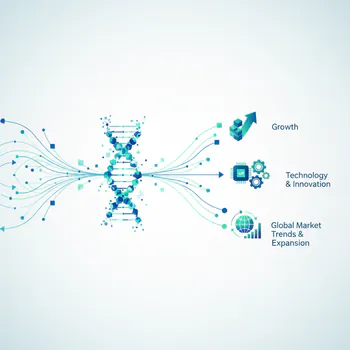
The global market for anticancer drugs is witnessing robust growth, fueled by rising cancer prevalence, increased healthcare expenditure, and rapid technological advancements. According to market research, the anticancer drug market is projected to reach over $200 billion by 2028, growing at a CAGR of approximately 8%.
Several factors contribute to this upward trajectory:
- Precision Medicine: Advances in genomics have accelerated the development of targeted drugs tailored to specific mutations.
- Immuno-Oncology Boom: The success of immune checkpoint inhibitors has prompted significant investment and research.
- Growing Aging Population: As cancer incidence increases with age, demand for effective treatments rises.
- Regulatory Approvals: Streamlined pathways and orphan drug incentives encourage innovation.
Emerging markets in Asia and Latin America also represent untapped growth potential due to improving healthcare access and infrastructure.
Market Trends & Growth Drivers
Benefits & Advantages
Anticancer drugs offer numerous benefits for both patients and the healthcare industry. For patients, these drugs can extend survival, reduce tumor burden, and improve quality of life. Targeted and immunotherapies, in particular, tend to have fewer side effects compared to conventional chemotherapy, enhancing patient compliance and outcomes.
From a business perspective, anticancer drugs represent high-value therapeutics with strong demand, driving lucrative returns on investment. Their development fosters innovation, leading to competitive advantages for pharmaceutical companies investing in research and development.
Moreover, personalized anticancer drugs enable more precise treatment, reducing trial-and-error approaches and optimizing healthcare resource utilization. This translates into better cost-effectiveness and more sustainable oncology care models.
Challenges & Future Outlook
Despite remarkable progress, the development and deployment of anticancer drugs face several challenges. Drug resistance, tumor heterogeneity, and high treatment costs remain significant hurdles. Additionally, adverse effects and limited efficacy in some cancer types call for continuous innovation.
Researchers are actively exploring solutions such as combination therapies, novel drug delivery systems, and artificial intelligence-driven drug discovery to overcome these barriers. Advances in biomarker identification are helping predict treatment response, reducing unnecessary exposure to ineffective therapies.
Looking ahead, the future of anticancer drugs is promising. The integration of multi-omics data, coupled with cutting-edge technologies like CRISPR and nanomedicine, is expected to usher in a new era of highly effective, personalized cancer treatments. Furthermore, expanding access to these therapies globally will be crucial in reducing cancer-related mortality worldwide.
Conclusion
In summary, anticancer drugs have transformed the landscape of cancer treatment, offering powerful tools to combat a disease that affects millions globally. Their diverse mechanisms—from chemotherapy to immunotherapy—enable tailored approaches that improve patient outcomes and drive industry growth.
As technology advances and market opportunities expand, ongoing research and innovation will be vital to overcoming current challenges and unlocking the full potential of anticancer drugs. Stakeholders across healthcare, research, and business sectors must collaborate to ensure these life-saving therapies reach all who need them, heralding a hopeful future in the fight against cancer.
Need More Details on Market Players and Competitors?