
Armored Vehicles: Technology, Trends, and Industry Applications
Discover how armored vehicles protect lives with advanced technology, explore market trends, industry applications, benefits, and future innovations in secur...

Introduction
In an increasingly complex and unpredictable world, armored vehicles have become essential for ensuring safety and security across various sectors. From military operations to VIP transport, these vehicles play a crucial role in protecting lives and assets against diverse threats ranging from ballistic attacks to explosive devices.
This article will explore the fundamental technologies behind armored vehicles, their wide-ranging applications, current market trends driving industry growth, key benefits, and the challenges shaping their future. Whether you are a security professional, industry stakeholder, or technology enthusiast, this comprehensive guide will provide valuable insights into the evolving landscape of armored vehicles.
Technology and Concept Overview
Armored vehicles refer to any type of vehicle that has been reinforced with protective materials designed to resist penetration from bullets, shrapnel, and other types of physical threats. These vehicles can range from light armored cars to heavily fortified military tanks.
The core technology behind armored vehicles includes:
- Ballistic Armor: Typically made from composite materials such as Kevlar, ceramic plates, and hardened steel, ballistic armor is designed to absorb and dissipate the energy of incoming projectiles.
- Blast Protection: Specialized underbody armor and energy-absorbing chassis designs shield occupants from landmines and improvised explosive devices (IEDs).
- Run-flat Tires: Tires reinforced to function even after being punctured, allowing the vehicle to escape hazardous zones.
- Advanced Surveillance and Communication Systems: Modern armored vehicles often integrate sensors, cameras, and encrypted communication tools to enhance situational awareness.
Understanding these technologies provides context to how armored vehicles are tailored for various threat environments, ensuring mission success and occupant safety.
Industry Applications & Use Cases
Armored vehicles serve critical purposes across multiple industries. Some of the most prominent applications include:
- Military and Defense: Combat vehicles such as armored personnel carriers (APCs) and infantry fighting vehicles (IFVs) protect troops during conflict. For example, the U.S. Army’s Bradley Fighting Vehicle has been a backbone in mechanized infantry operations since the 1980s.
- Law Enforcement: Police tactical units use armored vehicles to handle high-risk situations like hostage rescues and riot control. The BearCat armored vehicle is widely used by SWAT teams globally for its protective capabilities and maneuverability.
- VIP and Executive Protection: Armored limousines and SUVs safeguard high-profile individuals against assassination attempts or kidnapping. Brands like INKAS and BMW produce specialized armored vehicles for diplomatic and corporate security.
- Cash-in-Transit and Logistics: Armored trucks are crucial for safely transporting valuables, including cash and precious metals. Companies such as Brinks and Loomis offer armored transport solutions worldwide.
- Humanitarian and Peacekeeping Missions: Organizations like the United Nations deploy armored vehicles to protect aid workers in conflict zones, ensuring safe delivery of humanitarian assistance.
These examples highlight the versatility and critical importance of armored vehicles in supporting safety and operational efficiency across sectors.
Market Trends & Growth Drivers
The armored vehicle market has experienced steady growth, driven by escalating geopolitical tensions, rising crime rates, and increased defense spending worldwide. According to a recent report by MarketsandMarkets, the global armored vehicle market is projected to grow at a CAGR of approximately 5.5% from 2023 to 2030.
Key growth drivers include:
- Technological Advancements: Innovations in lightweight composite materials and autonomous vehicle technology are reshaping armored vehicle design, improving protection without compromising mobility.
- Increasing Urban Violence and Terrorism: The need for enhanced security in urban environments boosts demand for armored vehicles among law enforcement and private security firms.
- Rising Defense Budgets: Countries investing in modernization of their military fleets contribute to market expansion, particularly in Asia-Pacific and the Middle East regions.
- Growth in Private Security Sector: The increase in high-net-worth individuals and businesses seeking armored transport fuels demand for luxury armored SUVs and sedans.
This dynamic market landscape suggests promising opportunities for manufacturers and service providers willing to innovate and adapt to evolving security challenges.
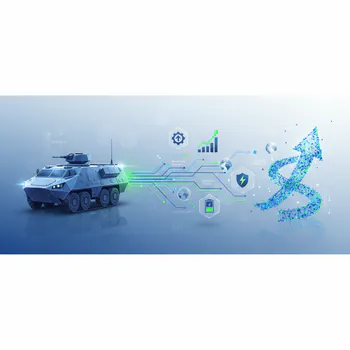
Market Trends & Growth Drivers
Benefits & Advantages of Armored Vehicles
Deploying armored vehicles offers numerous advantages that directly impact both operational success and overall security posture:
- Enhanced Occupant Safety: Armored vehicles significantly increase survivability in hostile environments by providing protection against gunfire, blasts, and other attacks.
- Mission Continuity: Features like run-flat tires and reinforced engine compartments ensure vehicles can continue operating under fire or after damage.
- Deterrence Effect: The visible presence of armored vehicles can prevent potential attacks by signaling high security readiness.
- Operational Versatility: Armored vehicles can be customized for specific missions, whether it’s troop transport, VIP security, or cash-in-transit operations.
- Return on Investment (ROI): Although initial costs are higher, armored vehicles reduce losses from theft, damage, and personnel injury, proving cost-effective over time.
These benefits translate into tangible value for governments, corporations, and private clients seeking reliable security solutions.
Challenges & Future Outlook
Despite their advantages, armored vehicles face several challenges that influence their development and deployment:
- Weight and Fuel Efficiency: Additional armor increases vehicle weight, affecting fuel consumption and maneuverability, especially in urban combat scenarios.
- Cost Constraints: High manufacturing and maintenance costs can limit accessibility, particularly for smaller organizations or developing countries.
- Technological Complexity: Integrating advanced electronics and protection systems requires specialized expertise and can increase vulnerability to cyberattacks.
Innovations such as the adoption of lightweight nanomaterials, hybrid powertrains, and AI-powered autonomous driving are being explored to overcome these challenges. For example, the integration of AI-enabled threat detection systems enhances real-time responsiveness and crew safety.
Looking ahead, the armored vehicle industry is poised to evolve with trends like electrification, modular armor kits, and network-centric battlefield communication, making future armored vehicles smarter, more efficient, and adaptable to a broad spectrum of threats.
Conclusion
In summary, armored vehicles remain a vital component of modern security infrastructure across military, law enforcement, corporate, and humanitarian domains. Their advanced technologies, diverse applications, and growing market demand underscore their importance in protecting lives and assets in an ever-changing threat landscape.
For organizations considering armored vehicle solutions, understanding the technological capabilities, market dynamics, and operational benefits is key to making informed decisions. As innovations continue to address current limitations, armored vehicles will become increasingly integral to future security strategies worldwide.
Embracing these advancements today ensures preparedness for the complex challenges of tomorrow, securing a safer and more resilient future.
Need More Details on Market Players and Competitors?