
Automotive Electric Motors for EV: Powering the Future of Mobility
Explore how automotive electric motors for EV power the future of mobility with insights on technology, applications, market trends, benefits, and future out...
Introduction
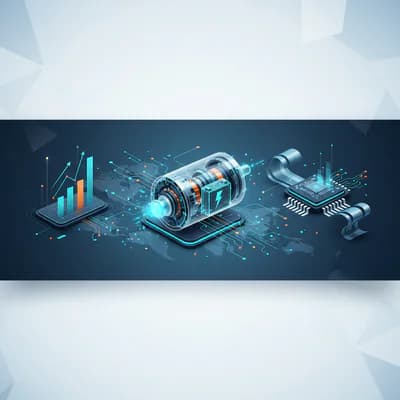
The rise of electric vehicles (EVs) is reshaping the automotive industry, driving innovation and sustainability at an unprecedented pace. At the heart of this revolution lies a critical component: automotive electric motors for EV. These motors are not just replacing traditional internal combustion engines; they are redefining how vehicles perform, consume energy, and impact the environment.
Understanding automotive electric motors for EV is essential for anyone interested in the future of transportation, whether you're an industry professional, a tech enthusiast, or a potential EV buyer. This article delves into the technology behind these motors, their applications across industries, market trends, advantages, and the challenges shaping their future.
Technology Overview: What Are Automotive Electric Motors for EV?
Automotive electric motors for EV are the devices that convert electrical energy into mechanical energy to propel electric vehicles. Unlike traditional engines that burn fuel, these motors use electricity stored in batteries to generate torque, making EVs more efficient and environmentally friendly.
There are several key types of automotive electric motors commonly used in EVs:
- Permanent Magnet Synchronous Motors (PMSM): Known for high efficiency and power density, widely used in Tesla and Nissan EVs.
- Induction Motors: Utilize electromagnetic induction, famous for robustness and low maintenance, used notably by Tesla Model S.
- Brushless DC Motors (BLDC): Offer precise control and high efficiency, often found in smaller EVs and e-bikes.
- Switched Reluctance Motors: Emerging technology with potential cost advantages and durability.
Each type varies in design, efficiency, cost, and performance characteristics, but all aim to deliver smooth, efficient propulsion while minimizing energy losses.
Industry Applications & Use Cases
Automotive electric motors for EV have found widespread adoption beyond passenger cars, influencing multiple sectors:
- Passenger EVs: From compact city cars to luxury sedans, electric motors power models like the Chevrolet Bolt, Tesla Model 3, and BMW i3, providing quick acceleration and quiet operation.
- Commercial Vehicles: Electric buses and delivery vans powered by electric motors are reducing emissions in urban transport networks. For example, Proterra's electric buses incorporate high-torque electric motors for sustained performance.
- Industrial and Off-road Vehicles: Forklifts, agricultural machinery, and construction equipment are increasingly using electric motors to meet stricter environmental regulations.
- Two-Wheelers and Micro-Mobility: Electric scooters and motorcycles rely on compact, lightweight electric motors, revolutionizing last-mile connectivity.
One compelling case study is Tesla’s use of a proprietary permanent magnet synchronous motor in its Model 3, which contributed to enhanced efficiency and extended driving range, setting industry benchmarks.
Market Trends & Growth Drivers
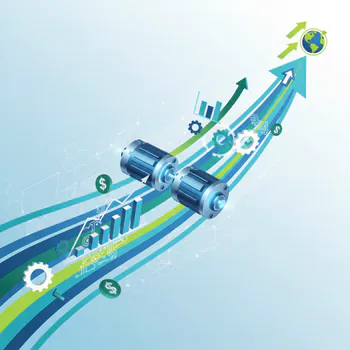
The global market for automotive electric motors for EV is experiencing rapid growth, driven by several key factors:
- Rising EV Adoption: With governments worldwide setting ambitious targets to phase out internal combustion engines, the demand for electric motors is soaring. The International Energy Agency (IEA) reported that EVs made up 9% of global car sales in 2023, up from just 3% in 2020.
- Technological Advancements: Innovations in motor design, such as improved magnetic materials and advanced cooling systems, are enhancing efficiency and reducing costs.
- Battery Technology Improvements: As batteries become more energy-dense and affordable, electric motors can be optimized to deliver better performance and range.
- Government Incentives & Regulations: Subsidies, tax credits, and stricter emission norms accelerate the shift towards EVs, indirectly propelling automotive electric motor demand.
Market analysts predict that the automotive electric motor market will grow at a CAGR of over 20% through 2030, highlighting vast opportunities for manufacturers and suppliers.
Market Trends & Growth Drivers
Benefits & Advantages of Automotive Electric Motors for EV
Switching to automotive electric motors for EV offers numerous advantages for both manufacturers and consumers:
- Higher Energy Efficiency: Electric motors convert over 85% of electrical energy into mechanical power, compared to just 20-30% for combustion engines.
- Lower Emissions: Zero tailpipe emissions contribute to cleaner air and reduced greenhouse gases, supporting global climate goals.
- Reduced Maintenance: Fewer moving parts mean less wear and tear, leading to lower maintenance costs and improved reliability.
- Enhanced Performance: Instant torque delivery provides smooth acceleration and improved driving experience.
- Cost Savings: Over the vehicle's lifespan, savings on fuel and maintenance often offset the initial investment in EVs.
For businesses, integrating advanced electric motors can translate into a strong competitive advantage by aligning with sustainability trends and regulatory compliance while delivering superior product performance.
Challenges & Future Outlook
Despite their advantages, automotive electric motors for EV face several challenges:
- Material Supply Constraints: Dependence on rare earth metals like neodymium for permanent magnets raises concerns about supply stability and cost fluctuations.
- Thermal Management: Efficient cooling is critical to prevent overheating, especially in high-performance motors.
- Cost Barriers: High initial costs of advanced motors can limit adoption in lower-cost vehicle segments.
- Technological Complexity: Designing motors that balance power, efficiency, and durability requires sophisticated engineering and quality control.
Looking forward, innovations such as the development of rare-earth-free motors, improved power electronics, and smart motor controls are expected to address these challenges. Additionally, integration with AI and IoT can optimize motor performance and predictive maintenance.
The future of automotive electric motors for EV is promising, with continuous advancements making EVs more accessible, efficient, and sustainable. Industry experts forecast that by 2035, over 50% of new vehicles sold globally will be electric, cementing the role of electric motors in the next generation of mobility.
Conclusion
Automotive electric motors for EV are at the core of the transportation industry's transformation toward a cleaner, more efficient future. By understanding their technology, market dynamics, and benefits, stakeholders can better navigate the evolving landscape. While challenges remain, ongoing innovation and supportive policies are driving rapid growth and adoption.
For businesses and consumers alike, embracing automotive electric motors not only aligns with sustainability imperatives but also offers tangible advantages in performance and cost-efficiency. As electric mobility continues to gain momentum, the advancements in automotive electric motors will play a pivotal role in shaping a smarter, greener, and more connected world.
Need More Details on Market Players and Competitors?