
Bio-LNG Fuel: The Sustainable Future of Clean Energy
Discover how Bio-LNG Fuel is transforming clean energy with sustainable transportation solutions, market growth, benefits, and future outlook.
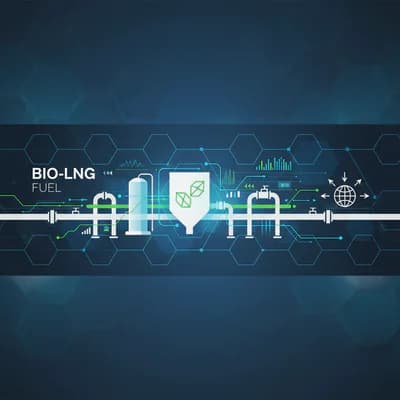
Introduction
As the world accelerates toward sustainable energy solutions, Bio-LNG Fuel has emerged as a game-changer in the quest to reduce carbon emissions and promote cleaner transportation. This renewable energy source offers an innovative alternative to traditional fossil fuels, addressing both environmental and energy security concerns.
In this article, we will explore the fundamentals of Bio-LNG Fuel, its diverse industry applications, current market trends, benefits, challenges, and what the future holds for this promising green energy solution.
Technology/Concept Overview
Bio-LNG Fuel, short for bio liquefied natural gas, is a renewable form of liquefied natural gas derived primarily from the anaerobic digestion of organic waste materials such as agricultural residues, municipal solid waste, and wastewater sludge. Unlike conventional LNG, which is sourced from fossil natural gas, Bio-LNG is produced through biological processes, making it a low-carbon or carbon-neutral fuel.
The production process involves capturing biogas—mainly methane and carbon dioxide—then upgrading it by removing impurities and CO2, before cooling it to -162°C to liquefy the methane. This results in a fuel that retains the energy density and transportability of LNG but with a significantly reduced carbon footprint.
Key technologies associated with Bio-LNG Fuel include anaerobic digesters, biogas upgrading systems, and liquefaction plants. These components work in concert to convert organic waste streams into a clean, efficient fuel ready for use in heavy-duty transportation and industrial applications.
Industry Applications & Use Cases
Bio-LNG Fuel is gaining traction across multiple sectors, particularly in heavy transport, shipping, and industrial heating, where reducing emissions is critical yet challenging due to energy demands.
- Heavy-Duty Road Transport: Several European countries have integrated Bio-LNG into fleets of trucks and buses. For example, the Netherlands and Sweden have pioneered Bio-LNG use in their public transport and logistics sectors, significantly cutting greenhouse gas emissions.
- Maritime Shipping: The shipping industry is exploring Bio-LNG as a viable alternative to conventional marine fuels. Projects like Finland’s “Sustainable Bio-LNG for Shipping” demonstrate its potential to reduce sulfur oxides (SOx), nitrogen oxides (NOx), and particulate matter while lowering CO2 emissions.
- Industrial Energy Supply: Industries requiring high-temperature heat are increasingly adopting Bio-LNG as a sustainable fuel source, leveraging its consistent energy output and cleaner combustion compared to coal or oil.
These use cases exemplify how Bio-LNG Fuel serves as a practical, scalable solution to decarbonize sectors traditionally reliant on fossil fuels.
Market Trends & Growth Drivers
The Bio-LNG Fuel market is witnessing robust growth underpinned by regulatory support, technological advancements, and rising demand for sustainable fuels. According to a recent International Energy Agency (IEA) report, global Bio-LNG production capacity is expected to grow annually by over 12% through 2030.
Key growth drivers include:
- Government Policies & Incentives: Many countries are incentivizing renewable fuels through subsidies, tax reductions, and mandates. The European Union’s Green Deal and the US Inflation Reduction Act are prime examples.
- Corporate Sustainability Initiatives: Leading logistics and shipping companies are committing to net-zero targets, accelerating the adoption of Bio-LNG to meet their sustainability goals.
- Advancements in Biogas Upgrading Technology: Innovations have lowered production costs and enhanced fuel quality, making Bio-LNG more competitive with fossil fuels.
These factors collectively contribute to expanding market opportunities and increased investment in Bio-LNG infrastructure worldwide.

Market Trends & Growth Drivers
Benefits & Advantages
Bio-LNG Fuel offers multiple compelling advantages, making it an attractive choice for businesses and environmental advocates alike:
- Significant Carbon Emission Reduction: Bio-LNG can reduce greenhouse gas emissions by up to 80% compared to diesel, depending on the feedstock and production method.
- Energy Density and Storage: With an energy density about 2.5 times higher than compressed natural gas (CNG), Bio-LNG is ideal for long-haul transport and shipping, offering longer driving range and easier storage.
- Utilization of Waste Resources: It enables the circular economy by converting organic waste into valuable fuel, reducing landfill use and methane emissions from waste decomposition.
- Compatibility with Existing LNG Infrastructure: Bio-LNG can be transported and dispensed using existing LNG pipelines, storage tanks, and fueling stations, reducing the need for new infrastructure investments.
- Economic Value & ROI: Companies investing in Bio-LNG benefit from lower fuel costs over time and enhanced brand reputation through sustainable practices, supporting long-term financial and environmental returns.
Challenges & Future Outlook
Despite its advantages, the Bio-LNG industry faces several challenges:
- Feedstock Availability and Quality: Consistent access to organic waste feedstock at scale remains a barrier, particularly in regions with less developed waste management systems.
- High Initial Capital Costs: Setting up biogas upgrading and liquefaction facilities demands substantial upfront investment, which can deter smaller market players.
- Regulatory and Certification Complexities: Differing standards for biofuel quality and sustainability certification across countries can complicate cross-border trade and adoption.
However, ongoing innovations such as advanced anaerobic digestion techniques, modular liquefaction units, and harmonized global standards are expected to mitigate these issues.
Looking ahead, the future of Bio-LNG Fuel appears promising. Industry analysts predict that as carbon pricing becomes more widespread and technological costs fall, Bio-LNG could become a mainstream alternative fuel by 2035, playing a crucial role in the global energy transition.
Conclusion
Bio-LNG Fuel represents a powerful intersection of renewable energy technology and circular economy principles, offering a pathway to decarbonize heavy transport, shipping, and industrial sectors. Through its ability to transform organic waste into clean, high-energy fuel, Bio-LNG supports environmental sustainability while providing economic benefits.
For businesses and policymakers, embracing Bio-LNG means investing in a cleaner, more resilient energy future. As infrastructure expands and technology advances, Bio-LNG Fuel is poised to become a cornerstone of global decarbonization efforts.
In sum, the shift toward Bio-LNG is not just a trend but a critical evolution in how we produce and consume energy—one that promises meaningful impact on climate goals and energy security worldwide.
Need More Details on Market Players and Competitors?