
Drug Abuse Screening: Key Insights, Trends, and Benefits in 2024
Explore drug abuse screening technologies, applications, market trends, benefits, and future outlook for health and workplace safety in 2024.

Understanding Drug Abuse Screening: A Vital Tool for Health and Safety
Drug abuse screening has become an essential practice in healthcare, workplaces, and community programs worldwide. As substance abuse continues to affect millions, early detection through effective screening methods is critical to providing timely interventions and reducing the broader social and economic impacts.
In this article, we will explore the fundamentals of drug abuse screening, examine its practical applications across various industries, analyze current market trends, and discuss the benefits and challenges that shape this evolving field. Whether you’re a healthcare professional, employer, or policymaker, understanding drug abuse screening is vital in today’s landscape.
Technology and Concept Overview of Drug Abuse Screening
Drug abuse screening refers to the process of testing an individual to detect the presence of illicit drugs, prescription medications, or other substances that may indicate misuse or abuse. These screenings can be conducted through various biological samples, including urine, blood, saliva, hair, or sweat.
Key terms to understand include:
- Immunoassay Tests: Rapid screening methods that use antibodies to detect specific drug metabolites.
- Gas Chromatography-Mass Spectrometry (GC-MS): A more precise laboratory technique used to confirm positive screening results.
- Point-of-Care Testing (POCT): On-site testing that delivers immediate results, commonly used in workplaces and emergency settings.
The goal of drug abuse screening is early identification to prevent adverse outcomes such as health deterioration, workplace accidents, or criminal behavior. Historically, drug testing evolved from simple urine analyses in the 1960s to sophisticated, rapid diagnostics available today.
Industry Applications & Use Cases of Drug Abuse Screening
Drug abuse screening finds applications across numerous sectors:
- Healthcare: Hospitals and clinics routinely screen patients, especially in emergency rooms or before surgeries, to avoid drug interactions and provide appropriate care.
- Workplace Safety: Employers in safety-sensitive industries like transportation, construction, and manufacturing use regular screenings to maintain compliance and ensure employee safety.
- Criminal Justice System: Probation and parole programs use screening to monitor substance use and support rehabilitation efforts.
- Schools and Universities: Some educational institutions implement screening programs to curb student drug abuse and promote healthier environments.
Case Study: In 2022, a leading logistics company implemented comprehensive drug abuse screening, resulting in a 40% reduction in workplace incidents and improved overall productivity. This success underscores the value of screening in high-risk environments.
Market Trends & Growth Drivers in Drug Abuse Screening
The global drug abuse screening market has experienced steady growth, valued at approximately $8 billion in 2023, with projections estimating a compound annual growth rate (CAGR) of 6.5% through 2030.
Several factors are driving this growth:
- Rising Substance Abuse Rates: Increasing prevalence of opioid and synthetic drug misuse fuels demand for effective screening solutions.
- Regulatory Compliance: Stricter government regulations and workplace safety mandates require routine drug testing.
- Technological Advancements: Innovations such as rapid point-of-care devices and non-invasive testing methods make screenings more accessible and user-friendly.
- Awareness and Prevention Programs: Growing emphasis on early intervention and prevention encourages widespread adoption.
Additionally, the integration of Artificial Intelligence (AI) and data analytics in screening processes is emerging, enhancing accuracy and predictive capabilities.
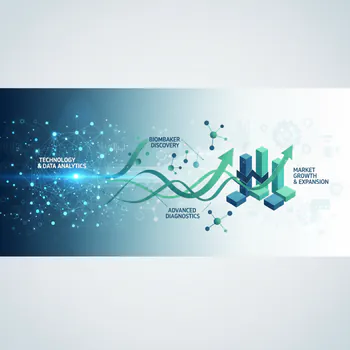
Market Trends & Growth Drivers in Drug Abuse Screening
Benefits & Advantages of Implementing Drug Abuse Screening
Implementing drug abuse screening offers critical benefits for both organizations and individuals:
- Enhanced Safety: Identifying substance use reduces the risk of accidents and injuries, especially in high-risk workplaces.
- Improved Health Outcomes: Early detection allows for timely medical or psychological interventions, improving recovery rates.
- Cost Savings: Preventing accidents and reducing absenteeism translates into significant financial benefits and a strong return on investment (ROI).
- Regulatory Compliance: Helps organizations meet legal requirements and avoid penalties.
- Boosted Productivity: A drug-free workforce typically exhibits higher performance and morale.
Moreover, drug abuse screening fosters a culture of accountability and supports broader public health initiatives by providing valuable data insights.
Challenges & Future Outlook in Drug Abuse Screening
Despite its advantages, drug abuse screening faces several challenges:
- Privacy and Ethical Concerns: Balancing individual rights with safety can be complex, necessitating clear policies and transparency.
- False Positives/Negatives: No screening method is perfect; inaccurate results can have serious consequences.
- Cost and Accessibility: Comprehensive screening programs can be expensive, limiting adoption in smaller organizations or low-resource settings.
Looking ahead, innovations promise to address these challenges. Emerging technologies like biosensors, AI-driven analytics, and blockchain for secure data management are poised to improve accuracy, confidentiality, and scalability.
Furthermore, the future of drug abuse screening will likely emphasize personalized approaches, integrating genetic and metabolic data to tailor interventions more effectively.
Conclusion: The Growing Importance of Drug Abuse Screening
In summary, drug abuse screening plays a pivotal role in safeguarding health, enhancing workplace safety, and supporting societal well-being. Understanding its technologies, applications, and market dynamics helps stakeholders make informed decisions that maximize benefits while addressing challenges.
As we move forward, embracing innovative, ethical, and accessible drug abuse screening solutions will be critical in combating substance misuse effectively. Organizations and policymakers must stay informed and proactive, leveraging screening as a powerful tool in the broader fight against drug abuse.
Need More Details on Market Players and Competitors?