
Effective Vasomotor Symptoms of Menopause Treatment: Trends & Insights
Explore effective vasomotor symptoms of menopause treatment options, market trends, benefits, challenges, and future outlook for improved women's health.

Understanding Vasomotor Symptoms of Menopause Treatment
Menopause marks a profound transition in a woman’s life, often accompanied by a range of physiological changes. Among these, vasomotor symptoms (VMS) such as hot flashes and night sweats are the most commonly reported and challenging to manage. These symptoms can significantly disrupt daily life, affecting sleep quality, mood, and overall well-being.
Addressing vasomotor symptoms of menopause treatment is crucial not only for improving quality of life but also for reducing long-term health risks associated with untreated menopausal symptoms. In this article, we explore the core concepts behind these symptoms, examine emerging treatments, and discuss market trends shaping the future of menopause care.
Technology & Concept Overview: What Are Vasomotor Symptoms?
Vasomotor symptoms of menopause primarily include hot flashes and night sweats that result from sudden blood vessel dilation. These episodes are linked to hormonal fluctuations, particularly the decline in estrogen levels during menopause. This hormonal shift impacts the hypothalamus, which regulates body temperature, causing it to misinterpret normal temperature as too high.
Key terms to understand in the context of vasomotor symptoms of menopause treatment include:
- Hot Flashes: Sudden warmth, often intense, typically felt on the face, neck, and chest.
- Night Sweats: Hot flashes that occur during sleep, leading to excessive sweating and disrupted rest.
- Hormone Replacement Therapy (HRT): A common treatment involving estrogen or combined estrogen-progestogen to alleviate symptoms.
- Non-Hormonal Therapies: Treatments such as SSRIs, SNRIs, and lifestyle interventions used when HRT is contraindicated.
Understanding these concepts sets the foundation for evaluating the diverse treatment options available.
Industry Applications & Use Cases
The management of vasomotor symptoms of menopause treatment spans multiple healthcare settings, from primary care clinics to specialized women’s health centers. One notable real-world example is the integration of personalized hormone replacement therapy in large healthcare systems, utilizing genetic and metabolic profiling to tailor treatment plans.
Pharmaceutical companies have also invested heavily in developing novel non-hormonal medications. For instance, the approval of neurokinin 3 receptor antagonists has introduced new avenues for patients unable or unwilling to pursue HRT.
In addition, digital health platforms are emerging as valuable tools to track symptoms and optimize treatment regimens. Mobile apps that monitor hot flash frequency and severity enable healthcare providers to adjust therapies proactively, enhancing patient outcomes.
Market Trends & Growth Drivers
The market for vasomotor symptoms of menopause treatment is expanding rapidly, driven by increasing awareness and the aging female population globally. According to recent industry reports, the global menopause therapeutics market is projected to grow at a CAGR of over 7% between 2023 and 2030.
Several factors fuel this growth:
- Rising Life Expectancy: Women spend a significant portion of their lives post-menopause, increasing demand for effective symptom management.
- Shifts in Patient Preferences: Growing skepticism about traditional hormone therapies has expanded the market for non-hormonal and alternative treatments.
- Advancements in Personalized Medicine: Tailored approaches based on genetic and hormonal profiling drive better efficacy and safety.
- Increased Healthcare Access: Improved insurance coverage and awareness campaigns encourage more women to seek treatment.
These trends underscore the dynamic nature of vasomotor symptoms of menopause treatment, highlighting significant opportunities for innovation.
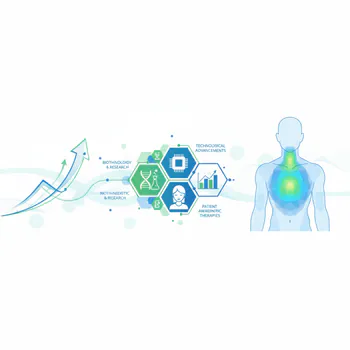
Market Trends & Growth Drivers
Benefits & Advantages of Modern Treatments
Effective vasomotor symptoms of menopause treatment offers multiple advantages for both patients and healthcare providers. From a patient perspective, symptom relief translates into improved sleep, mood stabilization, and enhanced daily functioning.
For healthcare systems, modern therapies reduce the burden of comorbidities linked with untreated menopausal symptoms, such as cardiovascular disease and osteoporosis. Hormone replacement therapy, when appropriately prescribed, has demonstrated up to a 70% reduction in hot flash frequency and severity, significantly improving quality of life.
Non-hormonal alternatives provide critical options for women with contraindications to hormone therapy, expanding inclusivity and safety. Moreover, the integration of digital symptom tracking tools enhances treatment adherence and personalization, yielding better long-term outcomes.
Collectively, these benefits reinforce the value proposition of investing in comprehensive vasomotor symptoms of menopause treatment strategies.
Challenges & Future Outlook
Despite advances, several challenges persist in the realm of vasomotor symptoms of menopause treatment. Concerns regarding hormone therapy safety, particularly related to breast cancer risk, continue to limit its widespread acceptance. Additionally, variability in symptom severity and individual response complicates standardized treatment protocols.
Emerging research is focused on addressing these limitations. Innovations such as selective estrogen receptor modulators (SERMs) and neurokinin receptor antagonists provide promising alternatives with improved safety profiles. Furthermore, artificial intelligence and machine learning are poised to revolutionize personalized treatment by predicting symptom trajectories and optimizing therapy plans.
Looking ahead, the future of vasomotor symptoms of menopause treatment lies in multimodal, patient-centered approaches combining pharmacologic, behavioral, and technological interventions. As awareness grows and new therapies gain regulatory approval, more women will have access to effective symptom relief tailored to their unique needs.
Conclusion
In summary, vasomotor symptoms of menopause treatment is a critical area of women’s health that demands continued innovation and awareness. Understanding the underlying mechanisms, current treatment options, and market trends empowers both patients and providers to make informed decisions.
By embracing personalized medicine, leveraging technology, and addressing existing challenges, the healthcare industry can significantly improve quality of life for millions of women worldwide. As research progresses and new therapies emerge, the outlook for managing vasomotor symptoms remains promising, signaling a future where menopause is navigated with greater ease and confidence.
Need More Details on Market Players and Competitors?