
Elevator Power Failure Automatic Leveling Device: Enhancing Safety & Efficiency
Discover how Elevator Power Failure Automatic Leveling Devices enhance elevator safety by ensuring automatic alignment during power outages, improving passen...

Introduction
Imagine being trapped in an elevator during a sudden power outage, uncertain if the cabin will stop aligned with the floor. This scenario highlights one of the critical safety challenges in elevator technology. Enter the Elevator Power Failure Automatic Leveling Device—a cutting-edge solution designed to ensure passengers' safety by automatically aligning the elevator car with the nearest floor during power interruptions.
In this article, we’ll explore the technology behind this innovative device, its real-world applications, market trends, benefits, and the challenges it faces. By the end, you’ll understand why this device is becoming an essential component in modern elevator systems and how it contributes to safer, more reliable vertical transportation.
Technology Overview: What is an Elevator Power Failure Automatic Leveling Device?
The Elevator Power Failure Automatic Leveling Device is a safety mechanism integrated into elevator systems to address the risks posed by unexpected power outages. At its core, this device ensures that an elevator car automatically aligns—or levels—with the closest floor, enabling passengers to safely exit.
Key Terms and Technologies:
- Automatic Leveling: The process by which the elevator car is adjusted to be perfectly horizontal with the floor surface, preventing tripping hazards.
- Power Failure Detection: Sensors and control circuits that monitor and detect a loss of power to initiate the leveling process.
- Backup Power Systems: Components such as batteries or capacitors that supply temporary power to operate the leveling device during outages.
- Control Logic: Microprocessors or relay systems that manage the sequence of leveling and door operation safely.
Typically, the device is connected to an uninterruptible power supply (UPS) or emergency power source that activates immediately when a power failure is detected. It then triggers the elevator’s leveling mechanism, adjusting the car position smoothly and safely.
Industry Applications & Use Cases
The Elevator Power Failure Automatic Leveling Device finds applications in a wide range of elevator installations, particularly in high-rise buildings, hospitals, malls, and commercial complexes where passenger safety is paramount.
For example, in healthcare facilities, elevators equipped with these devices ensure that patients on stretchers can be safely transported without risk during power failures. In residential skyscrapers, automatic leveling enhances peace of mind for occupants, reducing anxiety about being stuck between floors.
Case Study: A leading elevator manufacturer integrated this device into a new line of smart elevators installed in a 50-story office building in New York. The system successfully aligned the elevator cars during two separate power outages, allowing safe passenger evacuation without manual intervention. This implementation reduced emergency rescue incidents by 30% within the first year.
Market Trends & Growth Drivers
The global elevator safety systems market is rapidly evolving, with automatic leveling devices gaining traction as regulatory standards tighten worldwide. According to a report by MarketsandMarkets, the elevator safety systems sector is projected to grow at a CAGR of 7.5% from 2023 to 2028, driven largely by innovations like power failure automatic leveling.
Several factors contribute to this growth:
- Increasing Urbanization: More high-rise constructions mean a greater need for advanced elevator safety systems.
- Stringent Safety Regulations: Governments worldwide are mandating safety features to reduce accidents and fatalities.
- Technological Advancements: Integration of IoT and smart control systems facilitates real-time monitoring and automatic responses during power failures.
- Rising Awareness: Building owners and facility managers prioritize passenger safety to comply with liability and insurance requirements.
These trends collectively open new opportunities for elevator manufacturers and system integrators to incorporate Elevator Power Failure Automatic Leveling Devices as standard features rather than optional add-ons.
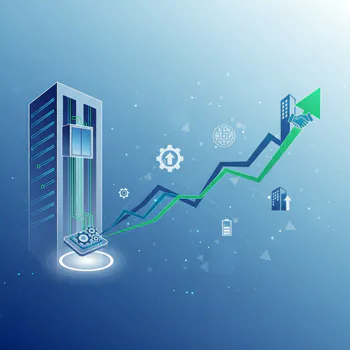
Market Trends & Growth Drivers
Benefits & Advantages of Elevator Power Failure Automatic Leveling Devices
Implementing an Elevator Power Failure Automatic Leveling Device offers multiple advantages for building owners, passengers, and maintenance teams alike.
- Enhanced Passenger Safety: Automatic leveling eliminates the risk of elevator cars stopping misaligned, which can cause trips, falls, or entrapment.
- Improved Emergency Response: By ensuring the elevator car is accessible during power failures, rescue operations become faster and safer.
- Regulatory Compliance: Many regions require elevators to have safety mechanisms that automatically respond to power loss, helping building owners meet legal standards.
- Reduced Liability: Preventing accidents related to power failure reduces legal risks and potential insurance claims.
- Cost Efficiency: Though there is an upfront investment, the device reduces long-term operational disruptions and emergency service costs.
Moreover, the Elevator Power Failure Automatic Leveling Device often integrates seamlessly with other smart building systems, enhancing overall facility management.
Challenges & Future Outlook
Despite its clear benefits, the deployment of Elevator Power Failure Automatic Leveling Devices faces some challenges:
- High Initial Costs: Incorporating backup power and advanced control logic can be expensive, especially in retrofit scenarios.
- Maintenance Complexity: Backup systems require regular testing and upkeep to ensure functionality when needed.
- Compatibility Issues: Older elevator models might not support easy integration without significant upgrades.
Looking forward, innovations such as energy-efficient supercapacitors, AI-powered predictive maintenance, and enhanced communication protocols promise to address these challenges. Smart leveling devices that can communicate with building management systems for real-time alerts will further improve reliability.
Industry experts predict that within the next decade, automatic leveling during power failures will become a standard safety feature globally, propelled by growing urban density and safety regulations.
Conclusion
The Elevator Power Failure Automatic Leveling Device represents a pivotal advancement in elevator safety technology. By ensuring that elevator cars automatically align with floors during power outages, this device protects passengers, reduces emergency incidents, and helps buildings comply with tightening safety standards.
As urban landscapes continue to rise and safety demands intensify, integrating these devices will not only enhance passenger experience but also offer tangible ROI through reduced downtime and liability. For building owners and elevator manufacturers, investing in this technology is a forward-thinking step toward safer, smarter vertical transportation.
In the future, we can expect further innovations that make these devices more affordable, reliable, and intelligent—ultimately transforming elevator systems into even safer and more resilient infrastructures.
Need More Details on Market Players and Competitors?