
Engine Tuning: Unlocking Performance and Efficiency in Modern Vehicles
Discover how engine tuning boosts vehicle performance, fuel efficiency, and emissions control with real-world applications, market trends, and future insights.

Introduction
When it comes to maximizing vehicle performance, engine tuning stands out as a powerful and versatile technique. Whether for everyday drivers seeking better fuel efficiency or car enthusiasts craving enhanced power, engine tuning has become a critical component in the automotive world.
This blog delves into the fundamentals of engine tuning, exploring its technology, industry applications, market trends, benefits, and future outlook. By the end, you’ll understand why engine tuning is essential for modern vehicles and how it continues to shape the automotive landscape.
Understanding Engine Tuning: Technology and Core Concepts
Engine tuning refers to the process of adjusting or modifying the parameters of an internal combustion engine to optimize its performance, fuel efficiency, or emissions. It involves tweaking settings such as fuel injection, ignition timing, air-fuel ratios, and boost pressure (in turbocharged engines).
At its core, engine tuning leverages both mechanical adjustments and electronic control unit (ECU) remapping. The ECU is a computer that manages engine functions, and tuning often involves reprogramming this unit to alter how the engine operates under various conditions.
Key terms to know include:
- ECU Remapping: Modifying the software of the ECU to change engine behavior.
- Chip Tuning: Installing or updating microchips to improve engine performance.
- Air-Fuel Ratio: The balance of air and fuel entering the engine, critical for combustion efficiency.
- Boost Pressure: The level of compressed air forced into the engine by a turbocharger or supercharger.
Historically, engine tuning was a manual process involving carburetor adjustments and mechanical tweaks. Today, advanced sensors and computer systems enable precise, customizable tuning that can significantly enhance engine output and responsiveness.
Industry Applications & Real-World Use Cases
Engine tuning finds broad applications across automotive sectors, from performance vehicles and motorsports to commercial fleets and everyday passenger cars.
Performance Vehicles: Car enthusiasts and racing teams routinely use engine tuning to increase horsepower and torque. For example, tuning a turbocharged sports car can increase power by up to 30% without major hardware changes.
Commercial Fleets: Companies operating large fleets benefit from engine tuning focused on fuel economy and emissions compliance. Adjusting engine parameters can lead to fuel savings of 5-15%, which translates into significant cost reductions over time.
Motorsports: In professional racing, fine-tuned engines deliver competitive advantages. Formula 1 teams use advanced ECU tuning to optimize engine maps for different tracks and weather conditions, maximizing performance within regulatory limits.
Aftermarket Industry: Numerous tuning shops and aftermarket companies offer ECU remapping services, plug-and-play tuning boxes, and custom solutions to meet diverse customer needs.
Market Trends and Growth Drivers in Engine Tuning
The global engine tuning market is experiencing steady growth, driven by increasing demand for higher-performance vehicles and stricter emissions regulations.
According to industry reports, the market for ECU remapping and engine tuning services is expected to grow at a compound annual growth rate (CAGR) of approximately 7% over the next five years. This growth is fueled by factors such as:
- Rising Adoption of Turbocharged Engines: Turbocharging boosts efficiency and power but requires precise tuning for optimal results.
- Electric and Hybrid Vehicle Integration: While traditional engine tuning focuses on combustion engines, hybrid systems require advanced calibration to balance electric and fuel-powered components.
- Growing Enthusiast Community: The aftermarket tuning community remains passionate, driving demand for innovative tuning solutions.
- Emissions Regulations: Tuning can help vehicles meet stricter emission standards without sacrificing performance.
Furthermore, advancements in AI and machine learning are beginning to influence engine tuning, enabling adaptive systems that optimize engine parameters in real time based on driving conditions.
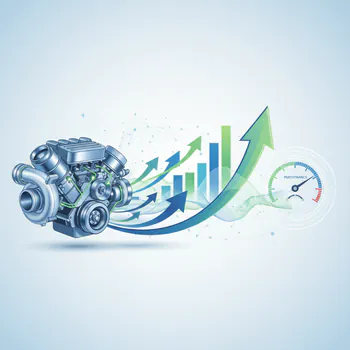
Market Trends and Growth Drivers in Engine Tuning
Benefits and Competitive Advantages of Engine Tuning
Engine tuning offers a range of tangible benefits for both individual drivers and businesses:
- Improved Performance: Enhanced horsepower, torque, and throttle response translate into better acceleration and driving dynamics.
- Fuel Efficiency: Optimizing the air-fuel mixture and ignition timing can reduce fuel consumption, lowering operational costs.
- Reduced Emissions: Proper tuning helps engines burn fuel more cleanly, aiding compliance with environmental regulations.
- Extended Engine Life: By ensuring the engine operates within optimal parameters, tuning can reduce wear and tear.
- Cost-Effective Upgrades: Compared to physical engine modifications, software-based tuning provides a cost-efficient way to boost performance.
From a business perspective, these advantages improve return on investment (ROI) by cutting fuel expenses and maintenance costs while enhancing vehicle reliability. For consumers, engine tuning delivers a more engaging and efficient driving experience.
Challenges and the Future Outlook of Engine Tuning
Despite its many benefits, engine tuning faces certain challenges. Regulatory scrutiny is increasing, with some regions limiting or banning modifications that affect emissions. Additionally, improper tuning can lead to engine damage or void warranties.
Technical complexity is another hurdle. Modern engines integrate multiple control systems, making tuning a delicate balance that requires specialized knowledge and equipment.
Looking ahead, the future of engine tuning is promising yet evolving. Innovations such as cloud-based tuning platforms, real-time adaptive ECU maps, and integration with vehicle telematics are emerging trends. For example, some companies now offer over-the-air tuning updates tailored to individual driving styles and conditions.
Moreover, as hybrid and electric vehicles become more prevalent, engine tuning is expanding to include battery management systems and electric motor calibration, broadening the scope of what tuning can achieve.
Conclusion
In summary, engine tuning remains a vital practice in enhancing vehicle performance, efficiency, and emissions control. By understanding the technology, industry applications, and market trends, stakeholders can leverage tuning to unlock significant value.
Whether you’re a business optimizing fleet operations or a driver seeking improved vehicle dynamics, engine tuning offers compelling advantages. As the automotive industry continues to innovate, the role of engine tuning will undoubtedly expand, driven by smarter technologies and evolving regulatory frameworks.
Staying informed about the latest developments and partnering with reputable tuning experts can ensure you harness the full potential of engine tuning safely and effectively.
Need More Details on Market Players and Competitors?