
Essential Drawing Tools & Equipment: Boost Creativity & Precision
Discover the essential drawing tools & equipment transforming creativity and precision across industries. Explore trends, benefits, and future insights in th...
Introduction
From architects sketching the blueprint of our cities to artists bringing their visions to life, drawing tools & equipment have always been vital in transforming ideas into tangible creations. Whether you’re a professional drafting engineer or an aspiring illustrator, understanding the right drawing instruments can elevate your work significantly.
In this article, we’ll explore the core concepts behind drawing tools & equipment, examine their practical applications across various industries, analyze current market trends, highlight the benefits they offer, and discuss the challenges and future innovations shaping this essential field.
Technology & Concept Overview of Drawing Tools & Equipment
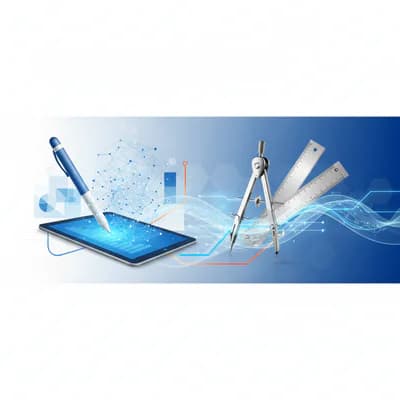
Drawing tools & equipment encompass a broad range of instruments designed to aid in creating precise and expressive visual representations. These include traditional manual tools like pencils, compasses, rulers, and protractors, as well as advanced digital devices such as graphic tablets and CAD (Computer-Aided Design) software interfaces.
Key terms to understand include:
- Drafting Tools: Instruments used for technical drawings and precise measurement, including T-squares, set squares, and drafting machines.
- Artistic Drawing Tools: Tools like charcoal, pastels, and various pencil grades that facilitate creative expression.
- Digital Drawing Equipment: Devices such as stylus pens, interactive screens, and software platforms that enable digital illustration and design.
Historically, drawing tools evolved from basic charcoal sticks on cave walls to intricate instruments during the Renaissance, culminating today in sophisticated digital setups. This evolution reflects the growing complexity and precision required in design and artistic fields.
Industry Applications & Use Cases
The versatility of drawing tools & equipment is evident across multiple industries:
- Architecture & Engineering: Professionals rely heavily on drafting tools and CAD systems to produce detailed blueprints and 3D models. For example, firms like Gensler and Foster + Partners use advanced drawing equipment to streamline project visualization.
- Graphic Design & Animation: Digital drawing tablets enable illustrators to craft detailed artworks and animations. Companies such as Pixar utilize these tools extensively during the storyboarding and character design phases.
- Education: Schools and universities adopt both traditional and digital drawing tools to teach fundamentals of design, technical drawing, and artistic skills.
- Fashion Design: Drawing tools assist designers in sketching patterns, garments, and accessories, with digital tools enabling rapid modifications and virtual prototyping.
A notable case study is Adobe’s Creative Cloud suite combined with Wacom tablets, which has revolutionized how designers and artists create and share their work, greatly improving collaboration and productivity.
Market Trends & Growth Drivers
The global market for drawing tools & equipment is experiencing robust growth, driven by several dynamic factors. According to a 2023 report by MarketWatch, the digital drawing tablet segment is projected to grow at a CAGR of over 7% through 2028.
Key growth drivers include:
- Digital Transformation: Increasing adoption of digital drawing tools in education, creative industries, and manufacturing fuels demand.
- Remote Work & E-learning: The rise of remote collaboration and virtual classrooms accelerates the use of portable and user-friendly drawing equipment.
- Technological Advancements: Innovations like pressure-sensitive styluses, multi-touch screens, and AI-powered design software enhance functionality and user experience.
Additionally, environmental concerns are encouraging manufacturers to develop eco-friendly drawing tools with sustainable materials, appealing to conscious consumers.

Market Trends & Growth Drivers
Benefits & Advantages of Drawing Tools & Equipment
Utilizing the right drawing tools & equipment offers significant advantages:
- Enhanced Precision & Accuracy: Drafting instruments ensure measurements and lines are exact, critical in engineering and architecture.
- Improved Creativity: Artistic tools like varying pencil grades and digital brushes allow for diverse textures and effects, broadening creative possibilities.
- Efficiency & Productivity: Digital equipment streamlines workflows by enabling easy edits, layer management, and instant sharing, reducing project turnaround times.
- Cost-Effectiveness: Investing in multi-functional digital drawing tools reduces the need for physical materials and space, ultimately lowering operational costs.
For businesses, these benefits translate into competitive advantages such as faster project delivery, higher quality outputs, and stronger client satisfaction, thereby improving overall ROI.
Challenges & Future Outlook
Despite the advantages, several challenges persist in the drawing tools & equipment landscape:
- Learning Curve: Advanced digital tools often require training, which can be a barrier for new users.
- Cost Barriers: High-quality equipment and software subscriptions may be expensive, limiting accessibility for smaller firms or individual artists.
- Hardware Limitations: Issues like battery life, screen sensitivity, and ergonomic design still need ongoing improvements.
Looking ahead, ongoing innovations promise to address these challenges. Integration of AI is expected to assist with auto-correction, design suggestions, and enhanced precision. Cloud-based platforms will further improve collaboration and accessibility, while augmented reality (AR) may redefine how we interact with drawing tools.
Industry experts predict that by 2030, drawing tools will become increasingly immersive and intuitive, blurring the line between physical and digital creation environments.
Conclusion
In summary, drawing tools & equipment remain foundational to creative and technical disciplines, continually evolving to meet modern demands. From traditional pencils to cutting-edge digital tablets, these instruments empower professionals and hobbyists alike to bring their visions to life with precision and flair.
For businesses and individuals aiming to stay competitive, investing in the right drawing tools is essential. Embracing emerging technologies while balancing cost and usability will unlock new creative potentials and operational efficiencies.
As the industry advances, staying informed about the latest trends and innovations will be key. The future of drawing is bright—and equipped with the right tools, your creativity can soar to new heights.
Need More Details on Market Players and Competitors?