
Exploring Luxury Vehicles: Trends, Benefits, and Future Outlook
Discover the latest trends, benefits, and future outlook of luxury vehicles. Explore technology, market growth, and real-world applications in this comprehen...

Introduction
Luxury vehicles have long been symbols of prestige, innovation, and superior craftsmanship. As consumer preferences evolve and technology advances, the luxury automotive segment is witnessing transformative changes that are reshaping the way we perceive premium transportation. Whether you're a car enthusiast, an investor, or a business professional, understanding luxury vehicles' dynamics is increasingly important in today’s automotive landscape.
In this article, we’ll dive deep into the world of luxury vehicles—exploring their core technologies, industry applications, market trends, benefits, and the challenges shaping their future. By the end, you’ll gain insights into why luxury vehicles continue to set standards in performance, design, and technological innovation.
Technology and Concept Overview
At their core, luxury vehicles are distinguished by superior quality, advanced technology, and exceptional performance compared to standard automobiles. They often incorporate cutting-edge innovations that later trickle down to mass-market cars.
Key terms and technologies associated with luxury vehicles include:
- Advanced Driver Assistance Systems (ADAS): Features like adaptive cruise control, lane-keep assist, and automated emergency braking enhance safety and driving ease.
- High-Performance Powertrains: Luxury cars often boast powerful engines, hybrid systems, or fully electric powertrains offering superior acceleration and efficiency.
- Premium Materials and Craftsmanship: Use of top-tier leather, wood, metals, and handcrafted interiors define the luxury experience.
- Infotainment and Connectivity: State-of-the-art multimedia systems, smartphone integration, and over-the-air updates improve user engagement and convenience.
Manufacturers such as Mercedes-Benz, BMW, Audi, Lexus, and Tesla continuously push the envelope by integrating AI, autonomous driving capabilities, and sustainable materials into luxury vehicles, setting new benchmarks for the automotive industry.
Industry Applications & Use Cases
Luxury vehicles serve various purposes beyond personal transportation, finding applications across multiple sectors:
- Executive Transportation: Corporate leaders and VIPs often rely on luxury vehicles for comfort, reliability, and brand image.
- Luxury Ride-Hailing Services: Companies like Uber Black and Lyft Lux use high-end cars to attract premium clientele seeking exclusivity and comfort.
- Hospitality and Tourism: Luxury hotels and resorts provide luxury vehicles for guest transfers, enhancing the overall customer experience.
- Car Collecting and Investment: Vintage and limited-edition luxury cars are prized assets, with collectors leveraging their rarity and historical value.
For example, Tesla’s Model S Plaid has revolutionized the luxury electric vehicle segment with its record-breaking acceleration and long-range capabilities. Similarly, Rolls-Royce’s bespoke customization options emphasize exclusivity, attracting discerning customers worldwide.
Market Trends & Growth Drivers
The global luxury vehicles market is on a strong growth trajectory. According to a report by Statista, the luxury car market is projected to grow at a CAGR of over 5% between 2023 and 2030, driven by rising disposable incomes and increasing demand for premium mobility solutions.
Key growth factors include:
- Electrification: The shift towards electric luxury vehicles is accelerating, with brands investing heavily in EV technology to meet stringent emissions regulations and consumer demand for sustainability.
- Technological Innovation: Integration of AI, autonomous driving, and connected car features enhance the luxury experience, attracting tech-savvy buyers.
- Emerging Markets: Expanding middle and upper classes in regions such as Asia-Pacific and the Middle East are fueling demand for luxury vehicles.
- Customization and Personalization: Increasing consumer desire for unique, tailored vehicles boosts market activity.
These trends are creating new opportunities for manufacturers and aftermarket providers alike, making the luxury vehicle segment one of the most dynamic in the automotive industry.
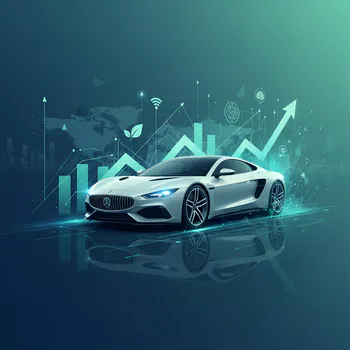
Market Trends & Growth Drivers
Benefits & Advantages of Luxury Vehicles
Luxury vehicles offer a range of benefits that justify their premium price tags and appeal to both businesses and consumers:
- Superior Performance and Comfort: Enhanced driving dynamics, noise insulation, and ergonomic design provide an unmatched driving experience.
- Advanced Safety Features: Cutting-edge safety technology reduces accident risks and improves passenger protection.
- Brand Prestige and Status: Owning a luxury vehicle often reflects professional success and personal taste, making it a status symbol.
- Higher Resale Value: Luxury vehicles tend to retain value better due to brand reputation, build quality, and desirability.
- Return on Investment (ROI): For businesses, luxury vehicles can enhance brand image, improve client relationships, and serve as effective marketing tools.
Additionally, the integration of sustainable technologies in luxury vehicles now positions them as leaders in environmental responsibility without compromising performance or style.
Challenges & Future Outlook
Despite their allure, luxury vehicles face several challenges:
- High Production Costs: Incorporating premium materials and advanced technologies increases manufacturing expenses, affecting affordability.
- Regulatory Pressures: Stricter emissions standards push manufacturers to invest heavily in electrification and green technologies.
- Shifting Consumer Preferences: Younger consumers may prioritize sustainability and shared mobility over traditional luxury ownership.
- Technological Complexity: Advanced systems require robust cybersecurity and ongoing software updates.
Looking ahead, innovations such as fully autonomous luxury vehicles, AI-driven personalization, and sustainable manufacturing processes are expected to redefine the segment. Experts predict that by 2030, a significant portion of luxury vehicles will be electric or hybrid, with seamless connectivity and autonomous capabilities becoming standard.
Conclusion
Luxury vehicles continue to captivate with their blend of style, technology, and performance. As the market evolves, driven by electrification, innovation, and shifting consumer values, the luxury vehicle segment remains a vital bellwether of automotive progress.
For businesses and consumers alike, investing in luxury vehicles offers not only a superior driving experience but also strategic advantages in brand positioning and sustainability. Staying informed about market trends and technological advancements will be key to leveraging the full potential of luxury vehicles in the coming decade.
Embracing the future, luxury vehicles are poised to remain at the forefront of automotive excellence and innovation.
Need More Details on Market Players and Competitors?