
Fighter Aircraft: Evolution, Applications, and Future Trends
Explore the evolution, applications, market trends, and future outlook of fighter aircraft. Discover how these advanced jets shape modern defense strategies.
Introduction
From the dawn of aerial combat in World War I to the sophisticated stealth jets of today, fighter aircraft have been pivotal in shaping modern military strategy and defense capabilities. These high-performance machines are not just symbols of national power but also marvels of engineering, combining speed, agility, and advanced technology to dominate the skies.
In this article, we will explore the core concepts behind fighter aircraft, their applications across various sectors, the market trends driving their evolution, the benefits they offer, and the challenges they face moving forward. Whether you're a defense enthusiast, industry professional, or simply curious about aerospace technology, this comprehensive guide will provide valuable insights into the world of fighter aircraft.
Technology and Concept Overview
Fighter aircraft are military planes specifically designed for air-to-air combat against other aircraft. Their primary role is to establish air superiority by intercepting, engaging, and neutralizing enemy threats. Key types include interceptors, which focus on quick response and high-speed engagements, and multirole fighters, capable of both air-to-air and air-to-ground operations.
Technological advancements have dramatically evolved fighter aircraft capabilities. Modern jets incorporate features such as:
- Stealth technology: Materials and designs that reduce radar visibility.
- Advanced avionics: Sophisticated radar systems, targeting computers, and electronic warfare suites.
- Supersonic speeds: Many fighters exceed Mach 2, enabling rapid deployment and engagement.
- Thrust vectoring: Enhances maneuverability by directing engine thrust.
- Fly-by-wire systems: Computerized flight controls that improve stability and response.
Notable examples of fighter aircraft include the American F-22 Raptor, the Russian Su-57, and the European Eurofighter Typhoon, each embodying unique technological innovations tailored to their strategic roles.
Industry Applications & Use Cases
While fighter aircraft are primarily military assets, their applications extend across various defense sectors and sometimes influence civilian aerospace technology.
- Air Defense and Sovereignty: Fighter jets protect national airspace, intercepting unauthorized aircraft and deterring potential threats. For instance, the U.S. Air Force routinely deploys F-15 and F-16 fighters for homeland defense.
- Offensive Combat Missions: Multirole fighters conduct ground attacks, close air support, and strategic bombing, exemplified by the F-35 Lightning II's stealth strike capabilities.
- Training and Simulation: Advanced trainer aircraft and simulators prepare pilots for operating complex fighters under various conditions, ensuring readiness without incurring the costs of live missions.
- International Defense Collaborations: Joint ventures like the Dassault Rafale and the Eurofighter program showcase multinational cooperation in fighter aircraft development, enhancing interoperability and cost efficiency.
Success stories include the Israeli Air Force's use of fighter aircraft in precision strikes and air superiority during regional conflicts, demonstrating how technology and pilot skill combine for operational effectiveness.
Market Trends & Growth Drivers
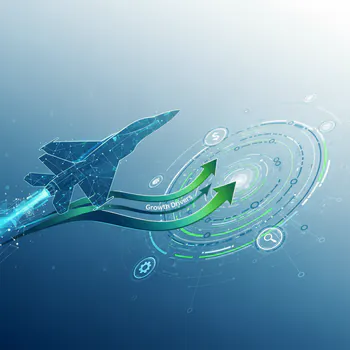
The global fighter aircraft market is experiencing robust growth driven by geopolitical tensions, modernization programs, and technological innovation. According to recent defense industry reports, the market is projected to grow at a CAGR of approximately 4-6% over the next decade.
Key growth drivers include:
- Rising Defense Budgets: Countries are increasing military expenditure to upgrade aging fleets and acquire next-generation fighters.
- Technological Advancements: Innovations in AI, stealth, and weapon systems are fueling demand for more capable aircraft.
- Geopolitical Instability: Regional conflicts and strategic rivalries prompt nations to strengthen air power.
- Export Opportunities: Major manufacturers are expanding into emerging markets, boosting international sales.
For example, the demand for the F-35 program remains exceptionally high, with over 1,700 units planned for delivery worldwide, illustrating the market's dynamic nature.
Market Trends & Growth Drivers
Benefits & Advantages
Fighter aircraft offer significant benefits that extend beyond mere combat capabilities:
- Air Superiority: Dominance in the skies ensures freedom of operation for allied forces and restricts enemy movement.
- Force Multiplication: Advanced fighters equipped with precision-guided munitions can achieve strategic objectives with fewer resources.
- Deterrence: The presence of modern fighter aircraft often serves as a powerful deterrent against aggression.
- Technological Spillover: Developments in fighter technology often translate into civilian aerospace innovations, such as enhanced materials and avionics.
- Return on Investment (ROI): Although costly, fighter aircraft provide substantial strategic value, protecting national interests and enabling rapid response.
In competitive terms, owning cutting-edge fighter jets can significantly shift regional power balances, which is why many nations vie to maintain or acquire advanced fleets.
Challenges & Future Outlook
Despite their advantages, fighter aircraft programs face several challenges:
- High Costs: Development, production, and maintenance of fighters require enormous budgets, often straining defense resources.
- Technological Complexity: Integrating emerging technologies like AI and hypersonics involves significant engineering and operational hurdles.
- Geopolitical Barriers: Export restrictions and international regulations can limit market access and collaboration.
- Changing Warfare Dynamics: The rise of unmanned systems, cyber warfare, and space-based assets may alter the future role of manned fighter aircraft.
However, ongoing innovation offers promising solutions. For instance, stealth improvements, enhanced sensor fusion, and network-centric warfare capabilities are expected to define next-generation fighters. Moreover, hybrid manned-unmanned operations could revolutionize combat strategies by combining pilot expertise with drone endurance.
Looking ahead, experts predict a gradual shift towards more autonomous features, increased connectivity, and integration with other military domains, ensuring fighter aircraft remain indispensable in future air combat scenarios.
Conclusion
In summary, fighter aircraft continue to be the cornerstone of modern military aviation, embodying technical sophistication and strategic importance. Their evolution reflects advancements in aerospace engineering, changing defense needs, and the global security environment.
For defense planners and industry stakeholders, understanding these dynamics is crucial for making informed decisions on procurement, development, and deployment. As technology progresses and threats evolve, fighter aircraft will adapt to maintain air superiority and operational effectiveness.
Embracing innovation and addressing challenges proactively will define the next era of fighter aircraft, ensuring they remain a vital asset in safeguarding national and global security.
Need More Details on Market Players and Competitors?