
Glass Recycling: Transforming Waste into Sustainable Resources
Discover how glass recycling transforms waste into sustainable resources, its industry applications, market trends, benefits, and future outlook for a greene...

Introduction
Every year, millions of tons of glass waste end up in landfills, posing environmental challenges and wasting valuable resources. Glass recycling is a powerful solution that not only reduces waste but also conserves raw materials and energy, helping industries and communities move toward sustainability.
In this article, we will explore the core concepts behind glass recycling, examine its applications across various industries, analyze current market trends, highlight its benefits, and discuss the challenges and future outlook of this vital environmental practice.
Understanding Glass Recycling: Technology and Concepts
Glass recycling refers to the process of collecting, processing, and reusing glass materials to manufacture new glass products. Unlike many other materials, glass can be recycled endlessly without losing its quality or purity, making it a highly sustainable resource.
Key terms to know include:
- Cullet: Recycled glass that has been crushed and sorted, ready for remelting.
- Post-consumer glass: Glass waste discarded by consumers, such as bottles and jars.
- Container glass: Glass used in bottles, jars, and other packaging.
- Fiberglass: Glass used in insulation, which typically isn’t recyclable through standard glass recycling.
The typical glass recycling process involves collection, sorting to remove contaminants, crushing into cullet, and melting the cullet to form new glass products. This process saves significant energy compared to producing glass from raw materials like silica sand, soda ash, and limestone.
Industry Applications & Use Cases of Glass Recycling
Glass recycling has found widespread application across industries including packaging, construction, and automotive sectors. For instance, breweries and beverage companies widely use recycled glass to produce new bottles, reducing manufacturing costs and environmental impact.
One notable success story comes from the European Union, where countries like Germany and the Netherlands have achieved recycling rates exceeding 80% for container glass through effective collection systems and public awareness campaigns.
In the construction industry, recycled glass cullet is increasingly used as an aggregate in concrete, road base, and tiles, providing durability and aesthetic appeal while reducing reliance on virgin aggregates. Automotive manufacturers also use recycled glass in windshield production and insulation materials, enhancing sustainability throughout the supply chain.
Market Trends & Growth Drivers in Glass Recycling
The global glass recycling market is experiencing robust growth, driven by increasing environmental regulations, consumer demand for sustainable packaging, and advancements in recycling technologies. According to a recent report by Grand View Research, the market is expected to grow at a CAGR of over 5% through 2030.
Key growth factors include:
- Government mandates and recycling targets pushing industries to adopt circular economy principles.
- Rising awareness among consumers about the environmental benefits of recycling.
- Technological innovations that improve sorting efficiency and contamination reduction.
- Expansion of recycling infrastructure in emerging markets.
The increased use of glass in premium packaging and luxury products also contributes to higher demand for recycled glass, aligning sustainability with brand value.
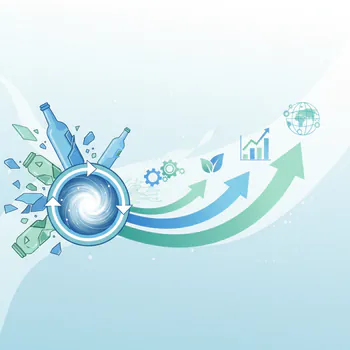
Market Trends & Growth Drivers in Glass Recycling
Benefits & Advantages of Glass Recycling
The benefits of glass recycling are multifaceted, offering economic, environmental, and operational advantages:
- Energy Savings: Recycling glass uses up to 30% less energy than producing new glass from raw materials, significantly reducing carbon emissions.
- Conservation of Raw Materials: Using recycled glass reduces the need for mining and extracting natural resources like sand and soda ash.
- Waste Reduction: Diverts millions of tons of glass from landfills annually, mitigating environmental hazards.
- Cost Efficiency: Manufacturers save on raw material expenses and energy costs, improving overall ROI.
- High Quality and Purity: Glass can be recycled infinitely without degradation, ensuring consistent product quality.
These advantages make glass recycling a compelling choice for businesses aiming to improve sustainability while optimizing costs.
Challenges & Future Outlook for Glass Recycling
Despite its clear benefits, the glass recycling industry faces several challenges. Contamination with ceramics, stones, or other materials can degrade cullet quality, impacting the efficiency of recycling plants. Collection inefficiencies and lack of consumer participation in some regions also limit recycling rates.
Additionally, the fragmentation of glass types and colors complicates sorting and remelting processes. However, innovative solutions such as advanced optical sorting technologies, AI-driven waste separation, and community engagement programs are helping overcome these barriers.
Looking ahead, the future of glass recycling is promising. Emerging trends include:
- Integration of circular economy models promoting closed-loop recycling systems.
- Development of smart packaging with embedded recycling information to improve sorting.
- Greater legislative support globally encouraging producer responsibility and incentivizing recycling.
- Expansion of glass recycling in developing regions powered by infrastructure investments.
With continued innovation and collaboration, glass recycling could play a pivotal role in achieving global sustainability goals.
Conclusion
In summary, glass recycling is a critical practice that transforms waste into valuable, sustainable resources. From reducing energy consumption and conserving raw materials to supporting circular economies across industries, the benefits are compelling.
Businesses and consumers alike stand to gain from embracing glass recycling through cost savings, environmental stewardship, and enhanced brand reputation. While challenges persist, ongoing technological advances and market growth point toward a vibrant future.
By investing in efficient collection, processing, and innovative applications, stakeholders can unlock the full potential of glass recycling—turning yesterday’s waste into tomorrow’s opportunity.
Need More Details on Market Players and Competitors?