
Green Skills: Driving Sustainable Careers and Industry Growth
Discover how green skills drive sustainability, industry growth, and career opportunities in the evolving green economy landscape.

Introduction
As the global community intensifies efforts to combat climate change and promote sustainable development, green skills have emerged as a crucial element for both individuals and businesses. These skills empower the workforce to transition towards environmentally friendly practices, facilitating a greener economy and more resilient industries.
In this article, we will explore what green skills entail, their significance in today’s job market, and how they are shaping industries and career landscapes worldwide. From defining core concepts to examining real-world applications and future trends, this comprehensive guide will provide valuable insights into the growing importance of green skills.
Technology and Concept Overview
Green skills refer to the knowledge, abilities, values, and attitudes needed to live in, develop, and support a sustainable and resource-efficient society. They encompass expertise related to environmental protection, energy efficiency, sustainable resource management, and clean technologies.
Key technologies and concepts connected to green skills include renewable energy (solar, wind, hydroelectric), waste reduction and recycling, sustainable agriculture, green construction practices, and carbon footprint management. These skills are interdisciplinary, combining technical know-how with environmental awareness and innovation.
Originating from global sustainability goals such as the United Nations’ Sustainable Development Goals (SDGs), green skills underscore the urgent need for a workforce capable of implementing eco-conscious solutions. They are essential in mitigating environmental challenges while fostering economic growth.
Industry Applications & Use Cases
The application of green skills spans numerous industries, each harnessing them to promote sustainability and operational efficiency.
- Renewable Energy Sector: Professionals skilled in solar panel installation, wind turbine maintenance, and energy storage systems are crucial. For example, companies like Ørsted have successfully transitioned from fossil fuels to renewables by upskilling their workforce.
- Construction and Urban Planning: Green building certifications like LEED demand expertise in sustainable materials, energy-efficient design, and waste management. The Bullitt Center in Seattle, dubbed the greenest commercial building, was constructed using such green skills.
- Agriculture: Sustainable farming techniques, such as precision agriculture and organic farming, rely on green skills to optimize resource use and reduce environmental impact. Initiatives in the Netherlands have improved crop yields while minimizing chemical usage.
- Manufacturing: Implementation of circular economy principles and energy-efficient processes require workers trained in green skills to reduce emissions and waste.
Across these sectors, real-world success stories demonstrate the tangible benefits of investing in green skills. For instance, Interface, a carpet manufacturer, reduced its carbon emissions by over 96% through employee training and sustainable innovations.
Market Trends & Growth Drivers
The demand for green skills is accelerating amid growing awareness of climate change and regulatory pressures. According to the International Labour Organization (ILO), green jobs could account for over 24 million new jobs globally by 2030, driven largely by renewable energy, energy efficiency, and sustainable agriculture.
Key drivers include government policies promoting clean energy, corporate sustainability commitments, consumer demand for eco-friendly products, and technological advancements in green tech. Additionally, recovery efforts post-pandemic have emphasized green investments, further boosting the market.
Emerging trends highlight the integration of digital skills with green expertise, such as the use of AI and IoT in energy management and smart cities. This convergence creates new roles and opportunities requiring a hybrid skill set.
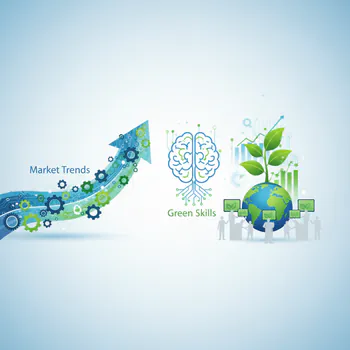
Market Trends & Growth Drivers
Benefits & Advantages
Developing green skills offers significant advantages for businesses, employees, and society at large.
- For Businesses: Enhanced operational efficiency, reduced costs through energy savings, improved brand reputation, and compliance with environmental regulations.
- For Employees: Increased employability, access to future-proof career paths, and participation in meaningful work that contributes to sustainability.
- Economic Impact: Green skills stimulate innovation and foster new industries, contributing to economic resilience and diversification.
Studies indicate that investments in green skills yield strong returns on investment (ROI), with organizations reporting up to 30% reductions in energy costs and improved workforce productivity. Moreover, companies adept in green practices often gain competitive advantages in global markets increasingly prioritizing sustainability.
Challenges & Future Outlook
Despite the clear benefits, several challenges impede the widespread adoption of green skills. These include skill gaps, lack of standardized training programs, limited awareness among workers and employers, and financial constraints in upskilling efforts.
Addressing these barriers requires collaboration between governments, educational institutions, and industry leaders to develop accessible and accredited training frameworks. Innovation in e-learning and micro-credentialing is also helping bridge the gap.
Looking ahead, the future of green skills appears promising. As decarbonization accelerates and sustainability becomes integral to business strategy, demand for these skills will expand across all levels of the workforce. Emerging technologies such as green hydrogen, carbon capture, and sustainable materials science will create new skill requirements, further emphasizing lifelong learning.
Ultimately, green skills will be pivotal in steering societies towards a sustainable and prosperous future.
Conclusion
In summary, green skills represent a vital component in the global transition to sustainable development. They empower industries to innovate responsibly, support economic growth, and address pressing environmental challenges. For professionals, acquiring green skills opens doors to dynamic and rewarding careers aligned with the planet's future.
Businesses and policymakers should prioritize investing in green skills development to capitalize on emerging opportunities and maintain competitive advantage. By fostering a workforce equipped with these capabilities, we can collectively build a resilient, low-carbon economy.
The journey towards sustainability is ongoing, and green skills will be at the heart of this transformative effort.
Need More Details on Market Players and Competitors?