
Harnessing Big Data in Power Sector: Revolutionizing Energy Management
Explore how big data in power sector is revolutionizing energy management with real-world applications, market trends, benefits, and future outlook.
Introduction
In today’s rapidly evolving energy landscape, Big Data in Power Sector is transforming how energy is generated, distributed, and consumed. As digital technologies permeate the power industry, leveraging vast amounts of data has become essential for optimizing operations, enhancing grid reliability, and driving sustainable growth.
This article dives into the core concepts of big data within the power sector, explores real-world applications, highlights current market trends, and discusses the benefits and challenges shaping its future. Whether you're an energy professional, policymaker, or technology enthusiast, understanding this transformative force is crucial for navigating the future of power management.
Technology Overview: Understanding Big Data in the Power Sector
Big Data refers to extremely large datasets that require advanced analytical techniques and tools to extract meaningful insights. In the power sector, these datasets are generated from diverse sources including smart meters, sensors, grid equipment, weather stations, and consumer devices.
Key technologies enabling big data in this field include:
- Advanced Metering Infrastructure (AMI): Smart meters collect granular consumption data, enabling precise demand analysis.
- Supervisory Control and Data Acquisition (SCADA): Systems monitor and control grid operations in real-time.
- Internet of Things (IoT): Sensors embedded in grid assets provide continuous data streams.
- Analytics Platforms: Machine learning and AI algorithms analyze patterns to predict demand and prevent failures.
These technologies collectively create a data-rich environment that empowers utilities and stakeholders to make data-driven decisions and innovate across the power ecosystem.
Industry Applications & Use Cases
The integration of Big Data in Power Sector has led to transformative applications across generation, transmission, distribution, and consumption:
- Predictive Maintenance: Utilities like Duke Energy use big data analytics to forecast equipment failures, reducing downtime and maintenance costs by up to 25%.
- Demand Response Programs: Real-time consumption data enables dynamic pricing and encourages consumers to shift usage during peak hours, improving grid stability.
- Renewable Integration: Big data helps balance intermittent solar and wind energy by forecasting generation patterns and optimizing storage solutions.
- Energy Theft Detection: AI-driven analysis identifies irregular consumption patterns, helping combat losses and fraud.
- Grid Optimization: Smart grid operators employ analytics to manage load balancing, reducing transmission losses by nearly 10% in some cases.
For example, the Electric Reliability Council of Texas (ERCOT) uses big data analytics to manage one of the largest electricity grids in the U.S., enhancing reliability and response times during extreme weather events.
Market Trends & Growth Drivers
The global market for Big Data in Power Sector is witnessing rapid expansion, driven by several key factors:
- Digital Transformation: Utilities are investing heavily in smart grid infrastructure and IoT devices, creating an unprecedented volume of data.
- Regulatory Pressure: Governments worldwide mandate improved energy efficiency and emissions reduction, incentivizing data-driven solutions.
- Growing Renewable Adoption: The integration of renewables demands sophisticated analytics to manage variability and maintain grid stability.
- Investment in AI and ML: Advanced algorithms provide predictive insights that optimize operations and reduce costs.
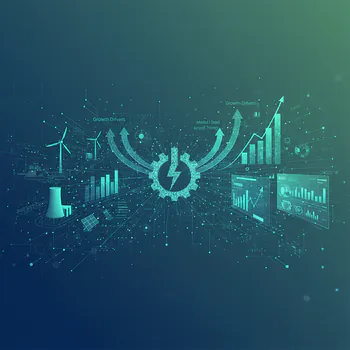
According to MarketsandMarkets, the big data analytics market in the energy sector is projected to grow at a CAGR of over 17% between 2023 and 2030, highlighting the increasing reliance on data-driven technologies.
Market Trends & Growth Drivers
Benefits & Advantages
Adopting Big Data in Power Sector brings multiple advantages for utilities, consumers, and the environment:
- Enhanced Operational Efficiency: Real-time insights enable quick decision-making, minimizing outages and reducing operational costs.
- Improved Customer Experience: Granular data supports personalized energy plans and empowers consumers to manage their usage effectively.
- Cost Savings: Predictive maintenance and optimized asset management reduce unnecessary expenditures and extend equipment lifespan.
- Environmental Impact: Efficient integration of renewables and demand-side management contribute to lower carbon emissions.
- Competitive Advantage: Utilities leveraging big data analytics can innovate faster and respond proactively to market changes.
For instance, companies implementing big data have reported up to 20% energy savings and significant reductions in outage durations, directly impacting ROI and sustainability goals.
Challenges & Future Outlook
Despite its promise, Big Data in Power Sector faces several obstacles:
- Data Privacy and Security: Protecting consumer data and grid infrastructure from cyber threats remains a critical concern.
- Data Integration: Combining disparate data sources and ensuring data quality is complex and resource-intensive.
- Skilled Workforce Shortage: There is a growing need for professionals proficient in both power systems and data analytics.
- Regulatory Compliance: Navigating evolving policies around data usage can be challenging.
Looking ahead, advancements in edge computing, AI, and blockchain are expected to address many of these challenges by enabling more secure, decentralized, and efficient data processing. The future of big data in the power sector will likely feature increased automation, real-time grid responsiveness, and deeper consumer engagement.
Conclusion
Big Data in Power Sector is no longer a futuristic concept but a present-day necessity driving innovation and efficiency across the energy landscape. From predictive maintenance to renewable energy management, data analytics is empowering utilities and consumers alike.
To capitalize on these benefits, stakeholders must invest in robust data infrastructure, prioritize cybersecurity, and cultivate interdisciplinary expertise. As the sector evolves, embracing big data will be key to achieving a resilient, sustainable, and customer-centric power ecosystem.
Ultimately, those who harness the power of big data will lead the charge in transforming energy delivery and consumption for decades to come.
Need More Details on Market Players and Competitors?