
Heparan Sulfate Antibodies: Breakthroughs and Market Insights
Discover how Heparan Sulfate Antibodies revolutionize diagnostics and therapies with market insights, applications, benefits, and future trends in biotech.

Introduction
In the rapidly evolving fields of biotechnology and immunology, Heparan Sulfate Antibodies are increasingly gaining attention for their unique role in disease diagnosis, therapy, and research. These specialized antibodies target heparan sulfate proteoglycans, complex molecules critical in many biological processes, including cell signaling, viral entry, and tumor progression.
Understanding Heparan Sulfate Antibodies is vital for researchers, clinicians, and biotech companies aiming to develop novel therapeutics and diagnostic tools. This article will explore the fundamental science behind these antibodies, their practical applications across industries, current market trends, key benefits, and future outlook, providing a comprehensive view for both technical and business audiences.
Technology and Concept Overview
Heparan sulfate is a linear polysaccharide found on cell surfaces and the extracellular matrix, known for its role in regulating various physiological functions through interactions with proteins. These interactions influence processes like blood coagulation, inflammation, and cell growth. Heparan Sulfate Antibodies are monoclonal or polyclonal antibodies designed to specifically recognize and bind to heparan sulfate chains or their unique sulfation patterns.
These antibodies serve as critical tools in detecting heparan sulfate presence, distribution, and modifications in tissues or biological samples. Their ability to selectively target heparan sulfate enables researchers to dissect complex biological pathways and develop targeted therapies.
Industry Applications & Use Cases
The application of Heparan Sulfate Antibodies spans various sectors, including biomedical research, diagnostics, and therapeutics.
- Cancer Research and Therapy: Heparan sulfate proteoglycans are often overexpressed or aberrantly modified in tumors. Antibodies targeting these structures help in identifying tumor markers and developing antibody-drug conjugates. For instance, studies have demonstrated that targeting heparan sulfate can inhibit tumor growth and metastasis, offering promising avenues for personalized cancer therapies.
- Infectious Disease: Many viruses, like herpes simplex and dengue, exploit heparan sulfate to enter host cells. Heparan Sulfate Antibodies are used to block viral entry or study viral-host interactions, aiding vaccine development and antiviral drug research.
- Autoimmune and Inflammatory Disorders: Heparan sulfate modulates immune cell behavior. Antibodies against heparan sulfate help in understanding disease mechanisms in conditions such as rheumatoid arthritis, potentially guiding novel treatment strategies.
- Diagnostic Tools: In clinical diagnostics, Heparan Sulfate Antibodies assist in detecting pathological changes in tissue biopsies or serum, enabling early disease detection and monitoring.
One notable success story is a biotech startup that utilized Heparan Sulfate Antibodies to develop a diagnostic kit for early-stage renal fibrosis, significantly improving patient outcomes through timely intervention.
Market Trends & Growth Drivers
The market for Heparan Sulfate Antibodies is expanding steadily, driven by increasing demand for targeted biologics and precision medicine. According to recent industry reports, the global antibody therapeutics market is projected to reach over $350 billion by 2027, with niche antibodies like those targeting heparan sulfate contributing to this growth.
Key growth drivers include:
- Rising prevalence of chronic diseases: Cancer, autoimmune diseases, and viral infections create demand for advanced diagnostics and targeted therapies.
- Advancements in antibody engineering: Enhanced specificity and reduced immunogenicity improve the efficacy of Heparan Sulfate Antibodies.
- Increased research funding: Governments and private sectors are investing heavily in glycoscience and antibody development.
- Integration with diagnostics: Companion diagnostics using Heparan Sulfate Antibodies accelerate personalized treatment plans.
Emerging markets in Asia-Pacific also present growth opportunities due to expanding biotech sectors and improving healthcare infrastructure.
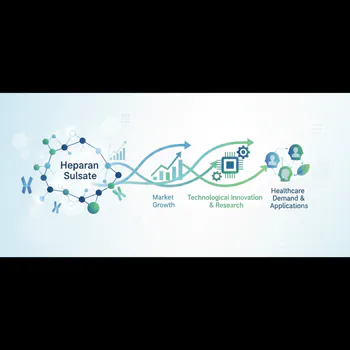
Market Trends & Growth Drivers
Benefits & Advantages
Heparan Sulfate Antibodies offer several compelling advantages for businesses and end-users alike:
- High specificity and sensitivity: These antibodies enable precise detection of heparan sulfate variants, reducing false positives in diagnostics.
- Versatility: Applicable in immunohistochemistry, flow cytometry, ELISA, and therapeutic development.
- Facilitation of targeted therapies: By focusing on heparan sulfate, drugs can achieve better targeting, minimizing side effects.
- Improved research insights: Enhanced understanding of disease mechanisms accelerates drug discovery pipelines.
- Return on investment: Companies leveraging these antibodies can develop differentiated products, commanding premium pricing and stronger market positioning.
For example, pharmaceutical companies integrating Heparan Sulfate Antibodies in their antibody-drug conjugate platforms have reported increased efficacy rates in clinical trials compared to conventional treatments.
Challenges & Future Outlook
Despite their promise, Heparan Sulfate Antibodies face several challenges:
- Complexity of heparan sulfate structures: Variability in sulfation patterns makes antibody design and validation difficult.
- Production costs: Manufacturing high-quality monoclonal antibodies remains resource-intensive.
- Regulatory hurdles: Ensuring safety and efficacy for new antibody-based therapies demands rigorous clinical trials.
Innovations such as synthetic antibody libraries, improved glycan analysis technologies, and artificial intelligence-driven antibody design are expected to overcome these barriers.
Looking forward, the field is poised for breakthroughs with multi-specific antibodies targeting heparan sulfate and other biomolecules, expanding therapeutic potential. Additionally, integration with nanotechnology and bioinformatics will enhance delivery and precision, propelling Heparan Sulfate Antibodies into mainstream clinical practice.
Conclusion
In summary, Heparan Sulfate Antibodies represent a transformative tool in biomedical science, bridging gaps in disease detection, understanding, and treatment. Their specific targeting capabilities drive innovation across cancer, infectious diseases, and autoimmune disorders, while market trends underscore robust growth potential.
For businesses and researchers, investing in Heparan Sulfate Antibody technologies offers significant ROI and competitive advantages amidst a growing demand for precision medicine. As technological advancements address current challenges, the future promises wider adoption and novel therapeutic breakthroughs, making Heparan Sulfate Antibodies a critical focus in next-generation healthcare solutions.
Need More Details on Market Players and Competitors?