
High Purity 1,3 Dihydroxyacetone: Uses, Trends & Benefits
Discover the benefits, uses, and market trends of high purity 1,3 dihydroxyacetone in cosmetics and pharmaceuticals for safer, more effective products.
Introduction
In the realm of cosmetic chemistry and pharmaceutical manufacturing, High Purity 1,3 Dihydroxyacetone (DHA) has emerged as a cornerstone ingredient, vital for delivering quality and safety in formulations. As consumer demand for effective and natural tanning products surges, understanding the importance and applications of this compound is more relevant than ever.
This article dives deep into the world of high purity 1,3 dihydroxyacetone, exploring its core concepts, industry applications, market trends, benefits, and future outlook. Whether you’re a product developer, marketer, or a curious professional, this comprehensive guide will illuminate how DHA is shaping industries today.
Technology and Concept Overview
1,3 Dihydroxyacetone is a simple carbohydrate and the active ingredient widely used in sunless tanning products. Chemically, it is a triose sugar with two hydroxyl groups attached to the 1 and 3 positions of glyceraldehyde’s carbon backbone. When applied to the skin, DHA reacts with the amino acids in dead skin cells, producing a temporary browning effect known as the Maillard reaction.
The term high purity 1,3 dihydroxyacetone refers to DHA that is refined to contain minimal impurities and contaminants, enhancing its safety, stability, and efficacy in formulations. Purity levels typically exceed 98%, ensuring optimal performance and reducing risks of skin irritation.
Initially sourced from sugar fermentation processes, advances in biotechnology and chemical synthesis have improved the availability and quality of DHA. This has opened new opportunities for its use beyond cosmetics, including pharmaceutical and biochemical sectors.
Industry Applications & Use Cases
The primary application of high purity 1,3 dihydroxyacetone is in the cosmetic industry, particularly in self-tanning products. Brands like St. Tropez and Jergens widely use DHA-based formulations to deliver a natural-looking tan without UV exposure. These products appeal to health-conscious consumers seeking safer alternatives to sunbathing.
Beyond tanning, DHA is utilized in skincare products that aim to even skin tone and reduce the appearance of blemishes. The precision offered by high purity DHA minimizes the risk of uneven pigmentation, making it favored in premium skincare lines.
In the pharmaceutical industry, DHA is being explored as a biochemical intermediate for synthesizing other compounds and as an agent in diagnostic testing kits. Its biodegradability and low toxicity profile add to its versatility.
- Case Study: A notable example is a leading cosmetic manufacturer that reformulated its sunless tanner using high purity DHA, resulting in a 30% increase in customer satisfaction due to improved evenness and longevity of the tan.
- Real-World Use: Dermatology clinics incorporate DHA-based preparations for controlled skin pigmentation treatments, highlighting its medical applicability.
Market Trends & Growth Drivers
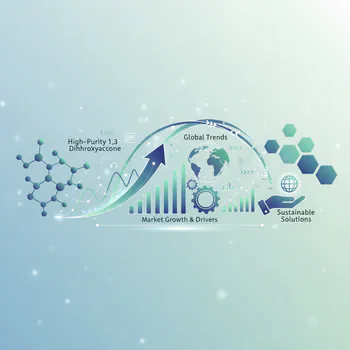
The global market for high purity 1,3 dihydroxyacetone is witnessing robust growth, driven by rising awareness of UV-related skin risks and a shift toward natural, safe cosmetic alternatives. According to a 2023 report by Grand View Research, the sunless tanning market is projected to reach USD 1.2 billion by 2028, growing at a CAGR of 6.5%.
Key growth drivers include:
- Increased consumer preference for chemical-free and cruelty-free beauty products.
- Technological advancements ensuring higher purity and better formulation stability.
- Expanding applications in pharmaceuticals and diagnostics.
- Rising disposable incomes in emerging markets fueling cosmetic product adoption.
Manufacturers are investing heavily in R&D to enhance production processes for DHA, focusing on sustainable fermentation techniques to reduce environmental impact. This innovation further boosts market confidence and product quality.
Market Trends & Growth Drivers
Benefits & Advantages
Using high purity 1,3 dihydroxyacetone confers numerous benefits to both producers and consumers. For manufacturers, the superior quality means better formulation consistency, reduced risk of side effects, and improved shelf life.
Consumers enjoy safer, more reliable products that offer a natural tan without harmful UV radiation. The high purity level minimizes skin irritation and allergic reactions, making these products suitable for sensitive skin types.
From a business perspective, incorporating high purity DHA can be a significant competitive advantage. It allows brands to position themselves as premium, trustworthy, and scientifically-backed, thereby increasing customer loyalty and driving higher returns on investment.
- Improved efficacy: Enhanced color uniformity and longer-lasting results.
- Safety: Lower incidence of adverse reactions and impurities.
- Regulatory compliance: Easier approvals due to stringent quality standards.
- Environmental impact: Sustainable sourcing aligns with green initiatives.
Challenges & Future Outlook
Despite its advantages, high purity 1,3 dihydroxyacetone faces several challenges. Stability issues under certain storage conditions can limit shelf life, and its reaction with skin can vary depending on individual biology, occasionally resulting in uneven tanning.
Research is ongoing to improve formulation techniques, such as encapsulation and blending with antioxidants, to enhance stability and user experience. Additionally, biotechnological advances aim to reduce production costs and environmental footprint further.
Looking ahead, the market is expected to expand beyond cosmetics into novel therapeutic and diagnostic uses. Emerging trends include the integration of DHA with smart skincare devices and personalized formulations tailored via AI-driven analytics.
With continuous innovations and growing consumer demand, high purity 1,3 dihydroxyacetone is poised to remain a vital ingredient in multiple industries, driving safer, more effective, and sustainable solutions.
Conclusion
In summary, high purity 1,3 dihydroxyacetone plays an indispensable role in modern cosmetic and pharmaceutical applications. Its unique chemical properties, combined with enhanced purity, unlock a range of benefits from improved safety to superior product performance.
For businesses, investing in high purity DHA translates to competitive advantage and stronger market positioning. Meanwhile, consumers gain access to safer, environmentally friendly options that meet their evolving skincare needs.
As the industry advances, staying informed about market trends, technological innovations, and regulatory developments surrounding DHA will be crucial. Embracing these changes will ensure sustainable growth and continued success in leveraging this remarkable compound.
Explore high purity 1,3 dihydroxyacetone today to elevate your product offerings and meet the demands of tomorrow’s discerning customers.
Need More Details on Market Players and Competitors?