
How Light Vehicle Interior Applications Sensors Are Driving Innovation
Discover how light vehicle interior applications sensors enhance safety, comfort, and innovation in modern cars. Explore market trends, benefits, and future ...
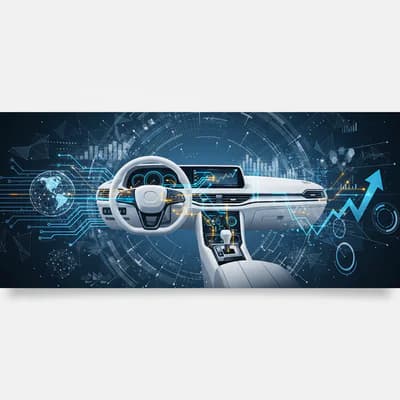
Introduction
Imagine stepping into your car and having the interior adapt seamlessly to your preferences—adjusting the climate, lighting, and even detecting your presence for enhanced safety. This level of smart interaction is becoming a reality, thanks to the rapid advancement of light vehicle interior applications sensors. These sensors are transforming how drivers and passengers experience comfort, safety, and convenience inside vehicles.
In this article, we’ll explore what light vehicle interior applications sensors are, their key technologies, how they are being applied across the automotive industry, current market trends, the benefits they bring, and the challenges they face moving forward. Whether you’re an industry professional or a curious enthusiast, this comprehensive overview will illuminate how these sensors are shaping the future of in-vehicle experiences.
Technology Overview: Understanding Light Vehicle Interior Applications Sensors
At its core, light vehicle interior applications sensors are devices designed to detect, measure, and respond to various stimuli inside the vehicle cabin. These sensors gather data on factors such as occupant presence, movement, environmental conditions, and user inputs to optimize vehicle systems.
Key sensor types include:
- Occupancy Sensors: Detect the presence and position of passengers, often using infrared or ultrasonic technologies.
- Temperature and Humidity Sensors: Monitor cabin climate for automatic HVAC adjustments.
- Light Sensors: Measure ambient light to adjust interior lighting and dashboard displays.
- Gesture and Proximity Sensors: Enable touchless control of infotainment and climate settings.
- Pressure Sensors: Used in seats to detect weight distribution for airbag deployment and comfort tuning.
Modern vehicles increasingly use sensor fusion, combining data from multiple sensors to create a more accurate and responsive system. This integration allows for smarter in-cabin environments and contributes to advancements in driver assistance and safety features.
Industry Applications & Use Cases
The practical applications of light vehicle interior applications sensors are vast and growing rapidly. Here are some notable examples:
- Enhanced Safety Systems: Occupancy sensors ensure airbags deploy appropriately based on seat occupancy and passenger size. For instance, Ford’s advanced airbag system uses seat sensors to modulate deployment force, reducing injury risk.
- Personalized Comfort: Temperature and humidity sensors enable climate control systems to maintain optimal comfort automatically. Tesla’s cabin comfort system adjusts temperature for each seating zone using sensor data.
- Infotainment Control: Gesture sensors allow drivers to change music or adjust volume without touching controls, minimizing distraction. BMW’s Gesture Control system is a prime example of this technology in action.
- Occupant Monitoring: Cameras and infrared sensors monitor driver attention and fatigue, alerting drivers when necessary. Volvo’s Driver Alert Control uses interior sensors to promote safer driving habits.
- Cabin Air Quality Management: Sensors detect pollutants and adjust air circulation to maintain fresh air inside, a feature increasingly common in luxury vehicles like Mercedes-Benz.
These use cases demonstrate how integrating interior sensors improves safety, convenience, and overall driving experience across light vehicles.
Market Trends & Growth Drivers
The market for light vehicle interior applications sensors is experiencing robust growth. According to recent industry reports, the global automotive interior sensors market is expected to grow at a CAGR exceeding 10% over the next five years.
Several factors are driving this expansion:
- Rising Demand for Advanced Driver Assistance Systems (ADAS): Interior sensors are critical in enabling features such as occupant recognition and driver monitoring.
- Increasing Vehicle Electrification: Electric and hybrid vehicles require sophisticated cabin management systems that rely on sensor data.
- Consumer Preference for Enhanced Cabin Comfort: Technological advances in sensor accuracy and affordability make personalized climate control and lighting more accessible.
- Regulatory Pressure for Safety Improvements: Governments worldwide are mandating advanced safety features that depend on reliable interior sensing.
Market leaders such as Bosch, Continental, and Denso are heavily investing in sensor technologies tailored for light vehicle interiors. Innovations like miniaturized sensors, AI-powered data processing, and wireless sensor networks are further propelling market momentum.

Market Trends & Growth Drivers
Benefits & Advantages
Integrating light vehicle interior applications sensors offers multifaceted benefits for manufacturers and end-users alike:
- Improved Safety: Sensors enable precise occupant detection and monitoring, reducing airbag-related injuries and enhancing driver alertness systems.
- Enhanced User Experience: Personalized comfort controls and intuitive infotainment interfaces create a more enjoyable driving environment.
- Energy Efficiency: Sensors help optimize HVAC and lighting usage, contributing to reduced energy consumption and extended vehicle range in electric cars.
- Competitive Differentiation: Automakers leveraging innovative sensor technologies can stand out with smarter, safer, and more comfortable vehicles.
- Return on Investment (ROI): Although initial sensor integration increases manufacturing costs, the long-term value from reduced warranty claims, higher customer satisfaction, and compliance with safety regulations outweigh these expenses.
Overall, the adoption of interior sensors is a strategic move that aligns with evolving consumer expectations and regulatory landscapes.
Challenges & Future Outlook
Despite their promise, light vehicle interior applications sensors face several challenges:
- Cost Constraints: High-precision sensors and complex integration can raise production costs, especially for economy vehicles.
- Data Privacy Concerns: Occupant monitoring technologies raise questions about user data security and consent.
- Environmental Factors: Sensors must operate reliably across varying temperature, humidity, and lighting conditions inside vehicles.
- Technical Complexity: Ensuring seamless sensor fusion and real-time data processing demands advanced software and hardware capabilities.
However, ongoing research and development are addressing these hurdles. Emerging technologies such as AI-enhanced sensor algorithms, flexible sensor materials, and improved cybersecurity protocols are paving the way forward.
Looking ahead, light vehicle interior applications sensors are expected to become increasingly sophisticated, with deeper integration into autonomous driving systems, health monitoring, and even augmented reality interfaces. As connectivity and smart vehicle ecosystems expand, interior sensors will play a pivotal role in delivering personalized and safe mobility experiences.
Conclusion
In summary, light vehicle interior applications sensors are at the heart of a new wave of automotive innovation. They enhance safety, comfort, and convenience by providing critical data about the vehicle’s occupants and interior environment. The market is poised for significant growth, fueled by consumer demand, regulatory pressures, and technological advancements.
For automakers and suppliers, investing in advanced interior sensor technologies offers a competitive edge that aligns with future mobility trends. For consumers, these sensors translate into safer rides and more personalized journeys. As the industry moves forward, we can expect these sensors to become even smarter, more affordable, and seamlessly integrated, driving the next generation of vehicle interiors.
Stay tuned to the evolving landscape of light vehicle interior applications sensors — where innovation meets everyday driving comfort and safety.
Need More Details on Market Players and Competitors?