
IGBT Devices: Powering Modern Electronics with Efficiency
Explore IGBT devices, their technology, key applications, market trends, benefits, and future outlook in power electronics and energy efficiency.

Introduction
In the rapidly evolving world of electronics and power management, IGBT devices have emerged as a cornerstone technology, transforming industries ranging from renewable energy to electric vehicles. These semiconductor components blend the best features of transistors and thyristors, enabling efficient control of high power levels with remarkable speed and precision.
Understanding IGBT devices is crucial for businesses and engineers aiming to optimize power systems and drive innovation. This article delves deeply into the technology behind IGBT devices, explores their diverse applications, examines current market trends, highlights key benefits, and addresses the challenges shaping their future.
Technology and Concept Overview of IGBT Devices
Insulated Gate Bipolar Transistor (IGBT) devices are advanced semiconductor switches that combine the high input impedance and fast switching of a metal-oxide-semiconductor field-effect transistor (MOSFET) with the high current and low saturation voltage capabilities of bipolar junction transistors (BJTs).
Fundamentally, IGBTs act as electronic switches to control electric power in numerous applications. They feature a gate terminal insulated from the main current-carrying channel, allowing efficient voltage-driven control rather than current-driven, which leads to lower power loss during operation.
Key terms related to IGBT devices include:
- Switching speed: The rate at which the device can turn on and off, critical for controlling power efficiently.
- Saturation voltage: The voltage drop across the device when conducting; lower values translate to higher efficiency.
- Thermal performance: Ability to handle heat dissipation, essential for reliability.
Developed in the late 1970s, IGBT technology has matured significantly, thanks to ongoing innovations in semiconductor fabrication and materials engineering, making these devices a linchpin in modern power electronics.
Industry Applications & Use Cases of IGBT Devices
IGBT devices have found widespread applications across various sectors due to their high efficiency and reliability in power switching:
- Renewable Energy Systems: Solar inverters and wind turbine controllers utilize IGBTs to convert and regulate power efficiently. For instance, leading solar inverter manufacturers rely on IGBT modules to maximize energy conversion while minimizing losses.
- Electric Vehicles (EVs): The EV industry heavily depends on IGBT devices for motor control and battery management. Tesla’s Model S, among others, uses advanced IGBT modules to ensure high-performance and energy-efficient powertrain operation.
- Industrial Motor Drives: Manufacturing plants use IGBT-based drives to control motors with precision, improving energy consumption and process automation.
- Rail Transportation: Trains employ IGBT devices in traction inverters, enhancing acceleration control and regenerative braking efficiency.
- Consumer Electronics and HVAC: IGBTs regulate power in air conditioners and home appliances, contributing to energy savings and quieter operation.
These use cases demonstrate the versatility and indispensability of IGBT devices in both heavy industrial and everyday consumer applications.
Market Trends & Growth Drivers for IGBT Devices
The global IGBT market is experiencing robust growth, fueled by increasing demand for energy-efficient power electronics. According to market research, the IGBT devices market is projected to grow at a compound annual growth rate (CAGR) of over 8% through 2028.
Key growth drivers include:
- Surge in Electric Vehicle Adoption: With governments worldwide promoting clean transportation, the EV sector’s expansion directly boosts demand for high-performance IGBT modules.
- Expansion of Renewable Energy Installations: The push towards sustainable energy sources increases reliance on IGBT devices in solar and wind power systems.
- Industrial Automation and Energy Efficiency Initiatives: Manufacturing facilities are upgrading to IGBT-based drives to reduce electricity consumption and enhance operational control.
- Technological Advancements: Innovations such as silicon carbide (SiC) and gallium nitride (GaN) IGBTs are improving device performance, opening new market opportunities.
These trends underscore a vibrant market poised for continued expansion fueled by technological progress and sustainability demands.
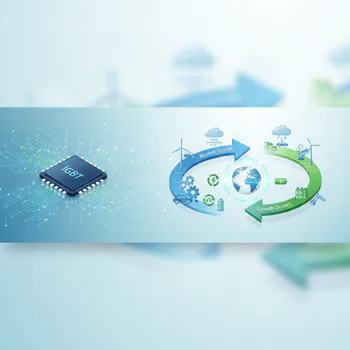
Market Trends & Growth Drivers for IGBT Devices
Benefits & Advantages of IGBT Devices
IGBT devices offer a range of benefits that make them highly attractive for both manufacturers and end-users:
- High Efficiency: Their low conduction and switching losses translate into better energy utilization, reducing operational costs.
- Fast Switching Capability: Enables precise control in power electronics, improving system responsiveness and performance.
- High Voltage and Current Handling: Suitable for heavy-duty applications, ensuring reliability under demanding conditions.
- Thermal Stability: Effective heat dissipation extends device lifespan and reduces maintenance needs.
- Compact Design: Integration into modules allows for smaller, lighter power converters, benefiting portable and space-constrained applications.
From an investment standpoint, incorporating IGBT devices can enhance the return on investment (ROI) by lowering energy consumption and downtime, while enabling scalable system designs.
Challenges & Future Outlook for IGBT Devices
Despite their advantages, IGBT devices face certain challenges including:
- Thermal Management: As power densities increase, managing heat generation becomes critical to maintaining performance.
- Cost Considerations: Advanced IGBT modules can be expensive, impacting upfront capital for end-users.
- Competition from Emerging Technologies: Alternatives like SiC and GaN devices threaten to displace traditional silicon-based IGBTs in some segments.
Addressing these challenges involves ongoing innovation in materials science, packaging techniques, and circuit design. For example, hybrid systems integrating SiC IGBTs offer improved efficiency and thermal handling.
Looking ahead, the future of IGBT devices is promising, with anticipated advances in device miniaturization, switching speeds, and integration with smart grid technologies. Industry forecasts suggest that IGBT devices will remain central to the power electronics ecosystem well into the next decade, especially as global energy transition efforts accelerate.
Conclusion
IGBT devices stand as a pivotal technology in the realm of power electronics, enabling efficient, reliable, and scalable control of electric power across diverse applications. From renewable energy systems and electric vehicles to industrial automation and consumer electronics, their influence is profound and growing.
By understanding the technology, market dynamics, and future trends surrounding IGBT devices, businesses and engineers can make informed decisions that foster innovation and sustainability. Investing in advanced IGBT solutions today promises enhanced performance, reduced energy costs, and a competitive edge in tomorrow’s technology landscape.
As global demand for clean and efficient power solutions intensifies, IGBT devices will undoubtedly continue to power the future of electronics with unmatched versatility and efficiency.
Need More Details on Market Players and Competitors?