
Infusion Drug Delivery Devices: Transforming Patient Care & Treatment
Discover how infusion drug delivery devices are revolutionizing healthcare with precise, controlled medication delivery. Explore applications, market trends,...
Introduction
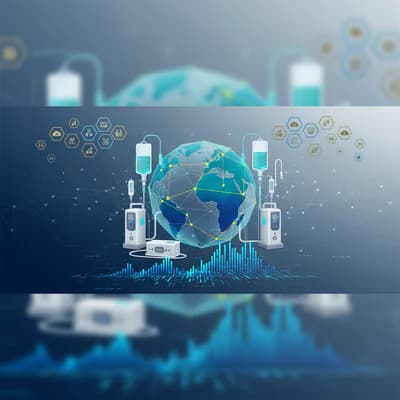
In the rapidly evolving landscape of healthcare technology, infusion drug delivery devices have emerged as a game-changer in the administration of critical therapies. These devices ensure precise, controlled delivery of medications directly into the bloodstream or tissues, profoundly improving treatment outcomes and patient quality of life. As chronic diseases and complex medical conditions become more prevalent worldwide, the demand for advanced drug delivery systems has never been more urgent.
This article dives deep into the world of infusion drug delivery devices, exploring their core technology, real-world applications, market trends, and the benefits they offer to both healthcare providers and patients. Additionally, we examine the challenges facing this sector and the promising future developments that could redefine medical treatments further.
Technology and Concept Overview
Infusion drug delivery devices refer to a broad category of medical tools designed to administer medications directly into the body over a controlled period. Unlike oral medications, these devices bypass the digestive system, ensuring higher bioavailability and more precise dosing. Common examples include infusion pumps, insulin pumps, and implantable drug delivery systems.
At their core, these devices use technologies such as mechanical or electronic pumps, microfluidics, and programmable controllers to regulate the rate and volume of drug delivery. Key terms to understand include:
- Continuous infusion: A steady, uninterrupted administration of medication.
- Bolus infusion: A single, concentrated dose delivered rapidly.
- Programmable infusion: Devices that can be customized to deliver varying doses based on treatment requirements.
Developed initially for hospital settings, infusion drug delivery devices have evolved to support outpatient and home care, offering greater mobility and independence for patients.
Industry Applications & Use Cases
The versatility of infusion drug delivery devices allows them to be used across a variety of medical fields:
- Oncology: Targeted chemotherapy infusion minimizes systemic toxicity and improves patient tolerance.
- Diabetes Management: Insulin pumps provide continuous subcutaneous insulin infusion (CSII), enabling better glycemic control than traditional injection methods. For example, Medtronic's MiniMed series has revolutionized diabetes care worldwide.
- Pain Management: Patient-controlled analgesia (PCA) pumps allow patients to self-administer pain medication within prescribed limits, improving comfort during post-operative recovery.
- Critical Care: ICU patients commonly receive fluids, electrolytes, and medications via infusion pumps that ensure precision and safety.
- Central Nervous System Disorders: Implantable infusion pumps deliver drugs for conditions like Parkinson's disease, enhancing efficacy and reducing side effects.
One notable success story is the use of implantable pumps in treating spasticity and chronic pain, which has significantly reduced hospital visits and improved patient mobility.
Market Trends & Growth Drivers
The global market for infusion drug delivery devices is experiencing robust growth, driven by several critical factors. According to recent market research, the segment is expected to grow at a CAGR of around 7-8% over the next five years, fueled by rising chronic disease prevalence, technological advancements, and increasing home healthcare demand.
Key growth drivers include:
- Aging populations: Older adults often require long-term medication regimens, increasing demand for reliable infusion devices.
- Advancements in smart technology: Integration of IoT, AI, and wireless connectivity enables real-time monitoring and remote adjustments, enhancing patient safety and adherence.
- Shift toward ambulatory care: Patients prefer home-based treatments, promoting portable and user-friendly infusion systems.
- Rising incidence of cancer and diabetes: These conditions often necessitate precise drug delivery methods, further propelling device adoption.
Notable industry players such as Baxter International, Becton Dickinson, and Smiths Medical continue expanding their product portfolios, investing heavily in R&D to capture emerging opportunities.

Market Trends & Growth Drivers
Benefits & Advantages
Infusion drug delivery devices offer multiple benefits that make them an indispensable component of modern healthcare:
- Precision and accuracy: These devices ensure exact dosing, reducing medication errors and enhancing treatment effectiveness.
- Improved patient compliance: Automated and programmable delivery reduces the burden of manual dosing, improving adherence to treatment plans.
- Reduced side effects: Targeted delivery minimizes systemic exposure, lowering adverse effects.
- Enhanced quality of life: Portable and implantable devices enable patients to maintain daily activities without frequent hospital visits.
- Cost-effectiveness: While initial device costs can be high, improved outcomes and reduced hospitalizations deliver significant long-term savings.
Moreover, healthcare providers benefit from streamlined workflows, reduced medication waste, and improved data collection for patient management.
Challenges & Future Outlook
Despite the promising landscape, infusion drug delivery devices face several challenges. These include device malfunction risks, infection concerns at infusion sites, and the need for patient education to ensure proper use. Additionally, high costs and reimbursement complexities can limit accessibility, especially in developing regions.
Emerging innovations aim to overcome these limitations. For example, integrating sensors and AI-powered analytics can predict and prevent device failures. Development of biodegradable implantable pumps and closed-loop systems that automatically adjust dosing based on physiological feedback is underway.
Looking ahead, the future of infusion drug delivery devices is bright. We anticipate:
- Greater personalization: Tailored drug delivery regimens based on genetic and metabolic profiles.
- Enhanced connectivity: Seamless integration with telemedicine platforms for remote patient monitoring.
- Miniaturization: Smaller, less invasive devices improving patient comfort.
- Broader applications: Expansion into new therapeutic areas such as immunotherapy and gene therapy.
These advancements will continue to elevate treatment standards and patient outcomes globally.
Conclusion
In summary, infusion drug delivery devices represent a critical intersection of technology and medicine that enhances precision, safety, and patient-centered care. Their widespread use across oncology, diabetes, pain management, and critical care underscores their versatility and indispensability. Market trends highlight strong growth prospects driven by aging demographics, technological innovation, and the shift toward home healthcare.
While challenges remain, ongoing research and technological breakthroughs promise to address these hurdles effectively. For healthcare providers and patients alike, embracing these devices offers tangible benefits—improved outcomes, greater convenience, and enhanced quality of life.
As the landscape evolves, staying informed about the latest developments in infusion drug delivery devices will be essential for stakeholders looking to optimize treatment strategies and harness the full potential of this transformative technology.
Need More Details on Market Players and Competitors?