
Leather Car Seat: Ultimate Guide to Luxury, Comfort & Trends
Discover the luxury, benefits, and market trends of leather car seats. Learn about technology, applications, challenges, and future innovations in automotive...

Introduction
When it comes to vehicle interiors, a leather car seat is often seen as the epitome of luxury, comfort, and style. More than just a seating surface, leather seats enhance the driving experience by combining aesthetics with durability. Whether you’re a car enthusiast or a casual driver, understanding the value and impact of leather seats can influence your vehicle choices and maintenance decisions.
In this comprehensive guide, we’ll explore the technology behind leather car seats, their practical applications in the automotive industry, current market trends, benefits they offer, as well as the challenges and future outlook. This article aims to provide valuable insights for buyers, manufacturers, and industry professionals alike.
Technology and Concept Overview
The term leather car seat refers to vehicle seats that are upholstered using genuine leather or high-quality synthetic alternatives designed to mimic the look and feel of real leather. Genuine leather is typically sourced from animal hides, most commonly cowhide, which undergoes extensive processing to ensure softness, durability, and resistance to wear.
Types of leather used:
- Full-grain leather: The highest quality, retains the natural grain and marks of the hide, offering durability and a unique texture.
- Top-grain leather: Slightly sanded to remove imperfections; softer but less durable than full-grain.
- Corrected-grain leather: Treated and coated for a uniform appearance, often seen in mass-market vehicles.
- Synthetic leather (PU or PVC): Man-made materials designed to imitate leather properties, offering affordability and easier maintenance.
The technology involved in leather seat manufacturing includes tanning processes (vegetable or chrome tanning), dyeing, and finishing that protect the material against UV rays, stains, and cracking. Modern innovations also integrate perforation techniques for breathability and heating/cooling elements for enhanced comfort.
Industry Applications & Use Cases
Leather car seats are widely used across various automotive segments, from luxury sedans and SUVs to premium trims in mid-range vehicles. Brands like Mercedes-Benz, BMW, and Lexus have long championed leather interiors as a standard or optional feature, enhancing brand perception and customer satisfaction.
Real-world examples:
- Tesla Model S: Offers vegan leather seats made from polyurethane, appealing to eco-conscious consumers while maintaining luxury appeal.
- Ford F-150 Limited: Features premium full-leather seats with heating, ventilation, and massage functions, showcasing leather’s versatility in trucks.
- Audi A6: Utilizes leather seats with diamond stitching and advanced ventilation systems for superior comfort on long journeys.
Beyond personal vehicles, leather car seats are common in high-end transportation services such as executive limousines, luxury car rentals, and chauffeur-driven cars, offering passengers an experience that combines elegance with plush comfort.
Market Trends & Growth Drivers
The global leather car seat market is witnessing steady growth, driven by increasing demand for premium vehicle interiors and rising consumer disposable incomes. According to industry reports, the automotive leather market is projected to grow at a CAGR of around 5% over the next five years.
Key market drivers include:
- Rising luxury vehicle sales: Growth in affluent customer segments fuels demand for leather upholstery.
- Technological advancements: Innovations such as sustainable tanning methods and eco-friendly synthetic leathers appeal to environmentally aware buyers.
- Customization trends: Increasing popularity of personalized car interiors with bespoke leather options.
- Comfort and safety integration: Leather seats with embedded heating, cooling, and sensor technology enhance user experience.
Emerging markets in Asia Pacific and Latin America are also contributing to demand as automotive industries expand and consumer preferences shift towards premium features.
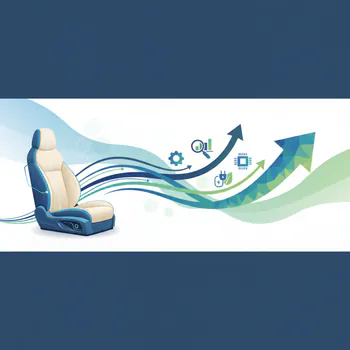
Market Trends & Growth Drivers
Benefits & Advantages
Choosing a leather car seat offers a variety of benefits for both drivers and manufacturers:
- Enhanced comfort: Leather’s natural breathability and softness provide superior seating comfort compared to fabric.
- Durability: High-quality leather resists wear, tearing, and fading, extending seat lifespan.
- Easy maintenance: Leather surfaces are easier to clean and less likely to trap dust or allergens.
- Luxurious appearance: Leather adds a premium, sophisticated look that enhances vehicle resale value.
- Temperature regulation: Perforated and ventilated leather seats help regulate temperature, improving driver and passenger comfort in varying climates.
From a business perspective, offering leather upholstery can be a significant competitive advantage, helping automakers differentiate their models and justify higher pricing tiers. For consumers, the return on investment comes through improved comfort, style, and long-term durability.
Challenges & Future Outlook
Despite their advantages, leather car seats face some challenges. The environmental impact of traditional leather tanning processes raises sustainability concerns, prompting manufacturers to seek greener alternatives. Additionally, leather requires proper care to prevent cracking or fading, especially in extreme climates.
Potential solutions and innovations include:
- Eco-friendly tanning: New vegetable-based and chrome-free tanning methods reduce toxic waste.
- Advanced synthetic leathers: Materials like bio-based PU leather offer similar aesthetics with lower environmental footprints.
- Smart leather technology: Integration of sensors to monitor seat condition and driver posture.
Looking ahead, the future of leather car seats will likely balance luxury with sustainability. As electric and autonomous vehicles become mainstream, interior design will focus more on comfort and personalization, increasing demand for innovative leather solutions.
Conclusion
In summary, the leather car seat remains a hallmark of automotive luxury, blending comfort, style, and durability. From its technological foundations to its widespread industry applications, leather upholstery continues to evolve, responding to market trends and consumer expectations.
For car buyers, investing in leather seats offers tangible benefits in comfort and vehicle value. For manufacturers, embracing sustainable materials and cutting-edge technologies will be key to staying competitive. As the automotive landscape shifts, leather car seats will maintain their appeal by adapting to future innovations and sustainability goals.
Whether upgrading your current vehicle or selecting a new one, understanding the intricacies of leather car seats can help you make informed decisions that enhance your driving experience for years to come.
Need More Details on Market Players and Competitors?