
Li-ion Battery for E-bikes: Powering the Future of Urban Mobility
Discover how Li-ion batteries power e-bikes, driving urban mobility with superior performance, market growth, and future innovations in electric transportation.
Introduction
As the world shifts toward greener and more sustainable transportation, electric bikes (e-bikes) have surged in popularity. At the heart of this revolution lies a crucial component: the Li-ion battery for e-bikes. This technology not only powers the modern e-bike but also shapes its efficiency, range, and overall performance.
Understanding the role and impact of Li-ion batteries in e-bikes is essential for anyone interested in urban mobility solutions, sustainable tech, or the evolving landscape of electric transportation. In this article, we will explore the technology behind Li-ion batteries, their applications in the e-bike industry, current market trends, benefits, challenges, and what the future holds for this transformative energy source.
Technology Overview: What is a Li-ion Battery for E-bikes?
The Li-ion battery for e-bikes refers to lithium-ion rechargeable batteries specifically designed to meet the power demands of electric bicycles. These batteries store electrical energy chemically and release it as electrical power to propel the bike's motor.
Key Components & Terminology:
- Cathode and Anode: The positive (cathode) and negative (anode) electrodes where lithium ions move during charging and discharging.
- Electrolyte: The medium that allows lithium ions to move between electrodes.
- Battery Management System (BMS): Critical for safety, it monitors cell voltage and temperature to prevent overcharging or overheating.
Compared to other battery types like lead-acid or nickel-metal hydride (NiMH), Li-ion batteries are lighter, have higher energy density, and longer lifespans, making them ideal for e-bikes. Their compact size also allows for sleek bike designs without sacrificing battery capacity.
Industry Applications & Use Cases of Li-ion Batteries in E-bikes
The integration of Li-ion batteries for e-bikes has transformed urban commuting, recreational cycling, and even delivery services. Let’s look at some practical applications:
- Urban Commuting: Companies like Rad Power Bikes and Trek utilize Li-ion batteries to offer commuters reliable, long-range e-bikes, reducing dependency on cars and lowering carbon footprints.
- Last-Mile Delivery: Businesses such as DHL and UPS have incorporated e-bikes powered by robust Li-ion batteries for fast, eco-friendly parcel deliveries in congested cities.
- Recreational and Sports E-bikes: Brands like Specialized use high-capacity Li-ion batteries to deliver powerful performance, enabling riders to explore rugged terrains and cover longer distances easily.
These use cases highlight the versatility and growing acceptance of Li-ion battery-powered e-bikes across diverse sectors.
Market Trends & Growth Drivers
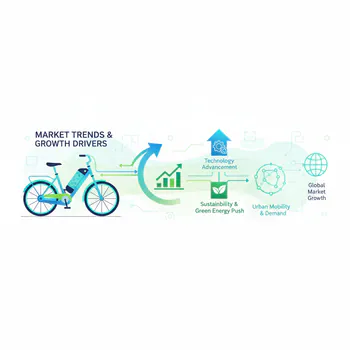
The global e-bike market is expanding rapidly, fueled by several key growth drivers linked to Li-ion battery for e-bikes. According to a 2023 report by BloombergNEF, the e-bike market is projected to exceed $40 billion by 2030, with Li-ion batteries accounting for the lion’s share of component value.
Growth Factors Include:
- Urbanization and Traffic Congestion: Increasing city populations and traffic jams are pushing consumers to adopt compact and efficient e-bikes.
- Environmental Concerns: Rising awareness about reducing greenhouse gas emissions encourages the switch to electric mobility.
- Technological Advancements: Improvements in Li-ion battery chemistry, such as higher energy density and faster charging, continuously enhance e-bike usability.
- Government Incentives: Subsidies and policies in regions like Europe and Asia promote e-bike adoption, indirectly boosting demand for Li-ion batteries.
With innovations like solid-state lithium batteries on the horizon, the market is poised for even more growth and enhanced performance.
Market Trends & Growth Drivers
Benefits & Advantages of Li-ion Batteries for E-bikes
The prominence of Li-ion batteries in e-bikes is no accident. Their advantages provide compelling reasons for widespread adoption:
- High Energy Density: Li-ion batteries store more energy per unit weight, enabling longer rides without adding excessive bulk.
- Lightweight Design: Compared to lead-acid or NiMH batteries, they significantly reduce the overall weight of the e-bike, improving handling.
- Long Lifespan: With proper management, Li-ion batteries can last 3-5 years or more, ensuring better return on investment.
- Fast Charging: Many Li-ion batteries support rapid charging, minimizing downtime for riders.
- Low Maintenance: Unlike older battery technologies, Li-ion batteries require minimal upkeep.
From a business perspective, these benefits translate to enhanced customer satisfaction, reduced warranty claims, and a stronger competitive edge in the e-bike market.
Challenges & Future Outlook
Despite their advantages, Li-ion batteries for e-bikes face challenges that manufacturers and researchers continue to address:
- Cost: High-quality Li-ion batteries remain relatively expensive, impacting the affordability of e-bikes.
- Safety Concerns: Risks of overheating or fire require robust battery management systems and rigorous testing.
- Resource Constraints: The supply of lithium and cobalt, critical raw materials, is limited and subject to geopolitical risks.
- Recycling and Disposal: End-of-life battery management poses environmental challenges.
On the innovation front, advances such as solid-state batteries promise greater safety and energy density. Additionally, recycling technologies are evolving to recover valuable materials efficiently.
Looking ahead, the Li-ion battery for e-bikes will play a pivotal role in enabling smart, connected, and sustainable urban transport systems. Integration with IoT and AI for battery health monitoring and predictive maintenance could redefine user experience.
Conclusion
In summary, the Li-ion battery for e-bikes stands as the backbone of modern electric cycling, driving growth through superior energy storage and performance. Its widespread adoption is transforming transportation by making e-bikes more accessible, efficient, and environmentally friendly.
For businesses and consumers alike, understanding this technology’s benefits and challenges is essential to making informed decisions in the rapidly evolving mobility landscape. As innovations continue to emerge, Li-ion battery-powered e-bikes are set to become an even more integral part of the future of urban commuting and recreation.
Embracing Li-ion technology today paves the way for a cleaner, smarter, and more connected tomorrow.
Need More Details on Market Players and Competitors?