
Medical External Defibrillator: Life-Saving Tech Trends & Insights
Discover how Medical External Defibrillators save lives, their applications, market growth, benefits, and future trends in emergency cardiac care technology.
Introduction
Sudden cardiac arrest remains one of the leading causes of death worldwide, making timely medical intervention critical. Enter the Medical External Defibrillator — a device that has revolutionized emergency cardiac care by enabling rapid restoration of normal heart rhythms. Whether in hospitals, public spaces, or even homes, these devices are increasingly vital in saving lives.
This article delves deep into the world of Medical External Defibrillators, exploring what they are, how they work, their applications across industries, and the emerging market trends driving their adoption. By the end, you’ll gain a comprehensive understanding of this life-saving technology and its future potential.
Technology & Concept Overview
A Medical External Defibrillator is a portable electronic device designed to deliver controlled electric shocks to the heart in cases of life-threatening arrhythmias, particularly ventricular fibrillation and pulseless ventricular tachycardia. The goal is to restore a normal heartbeat by depolarizing heart muscles and allowing the heart's natural pacemaker to reestablish an effective rhythm.
Key types include:
- Automated External Defibrillators (AEDs): User-friendly devices that guide even untrained bystanders through the defibrillation process using voice prompts.
- Manual External Defibrillators: Used primarily by healthcare professionals, these require manual adjustment of shock intensity and timing.
Technologically, modern Medical External Defibrillators are equipped with ECG monitoring, impedance measurement, and advanced algorithms that analyze heart rhythms to determine shock necessity. Innovations such as biphasic waveform technology have improved effectiveness while minimizing myocardial injury.
Industry Applications & Use Cases
The versatility of Medical External Defibrillators spans several sectors beyond traditional hospital settings.
- Public Spaces and Workplaces: Airports, malls, sports arenas, and offices increasingly deploy AEDs to provide immediate response during cardiac emergencies. For instance, the American Heart Association reports that early defibrillation can increase survival rates by up to 70%.
- Emergency Medical Services (EMS): Ambulances and paramedics rely heavily on portable defibrillators to stabilize patients en route to hospitals.
- Residential Use: Particularly for individuals at high risk of cardiac events, home-use Medical External Defibrillators offer peace of mind and faster intervention potential.
- Military and Remote Locations: Field medics utilize ruggedized defibrillators to handle emergencies where immediate hospital access is unavailable.
Real-world success stories abound, such as the case of a bystander in a New York subway station using an AED to save a commuter’s life, illustrating the critical role these devices play when every second counts.
Market Trends & Growth Drivers
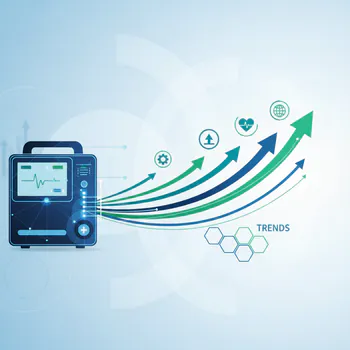
The global Medical External Defibrillator market is experiencing robust growth, driven by increasing cardiovascular disease prevalence, rising awareness about sudden cardiac arrest, and government initiatives promoting AED installation in public areas.
According to recent industry reports, the market is projected to grow at a CAGR of over 7% through 2030. Key growth drivers include:
- Technological Advancements: Integration of AI-powered rhythm analysis and connectivity features for remote monitoring and maintenance.
- Regulatory Support: Legislation in countries like the US and EU mandating AED availability in public domains.
- Increased Training Programs: Wider CPR and AED training resulting in more effective use by laypersons.
Additionally, the COVID-19 pandemic underscored the importance of accessible emergency devices as healthcare systems faced unprecedented pressures, further propelling demand for user-friendly Medical External Defibrillators.
Market Trends & Growth Drivers
Benefits & Advantages
For businesses, healthcare providers, and individuals, Medical External Defibrillators offer numerous advantages:
- Rapid Response Saves Lives: Immediate defibrillation can dramatically increase survival chances in cardiac arrest cases, reducing neurological damage.
- User-Friendly Design: Many devices are designed for use by non-medical personnel, supported by voice prompts, visual indicators, and safety features.
- Cost-Effective Investment: While the upfront cost may vary, the potential to save lives and reduce emergency medical expenses delivers significant ROI.
- Portability and Durability: Modern devices are lightweight, battery-powered, and built to withstand harsh environments.
- Data & Connectivity: Advanced models provide real-time data transmission to EMS or hospital systems, improving post-event analysis and patient care.
In essence, Medical External Defibrillators bridge the critical gap between cardiac arrest onset and professional medical intervention, empowering users to act decisively.
Challenges & Future Outlook
Despite their benefits, several challenges remain in maximizing the impact of Medical External Defibrillators:
- Awareness and Accessibility: Many regions still lack widespread AED availability, and public knowledge about their use is limited.
- Cost Constraints: The initial investment and maintenance can be prohibitive for smaller organizations or low-income communities.
- Technical Limitations: False positives/negatives in rhythm detection and battery life issues occasionally affect reliability.
However, ongoing innovations are addressing these concerns. For instance, emerging AI algorithms are enhancing rhythm analysis accuracy, while newer battery technologies extend device longevity. Integration with mobile apps and IoT platforms is enabling predictive maintenance and improved user training.
Looking ahead, the Medical External Defibrillator market is poised for increased democratization, with devices becoming more affordable, connected, and intelligent. Experts predict that by 2035, widespread AED deployment combined with advanced remote guidance could significantly reduce global cardiac arrest mortality.
Conclusion
The Medical External Defibrillator stands as a cornerstone technology in the fight against sudden cardiac arrest. Its evolution from clinical settings to public and home use underscores its vital role in emergency response frameworks worldwide. As technology advances and awareness grows, these devices will become even more integral to saving lives.
For organizations and individuals alike, investing in accessible, reliable Medical External Defibrillators is not just a regulatory or social responsibility—it’s a commitment to safeguarding health and enhancing community resilience. Staying informed about the latest trends and best practices will ensure readiness when seconds count the most.
Need More Details on Market Players and Competitors?