
Medical Oxygen Inhalers: Revolutionizing Respiratory Care Today
Explore how medical oxygen inhalers are revolutionizing respiratory care with technology, market trends, benefits, and future outlook in healthcare.
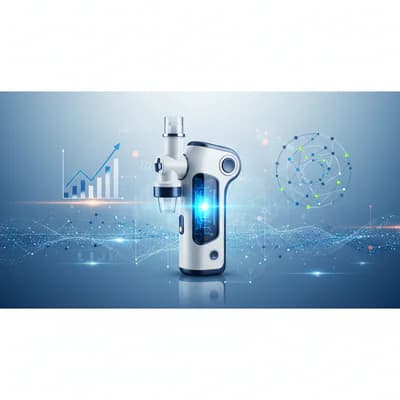
Introduction
In recent years, medical oxygen inhalers have become an indispensable tool in respiratory healthcare, empowering patients to manage breathing difficulties with greater ease and autonomy. As respiratory diseases continue to rise globally, understanding how these devices work and their impact is more important than ever.
This article will explore the core technology behind medical oxygen inhalers, highlight their practical applications across various medical fields, analyze prevailing market trends, and discuss both the benefits and challenges associated with their adoption. If you’re a healthcare professional, patient, or industry stakeholder, read on to discover how medical oxygen inhalers are transforming respiratory treatment.
Technology and Concept Overview
Medical oxygen inhalers are portable devices designed to deliver concentrated oxygen to patients who suffer from conditions that impair normal breathing, such as chronic obstructive pulmonary disease (COPD), asthma, or COVID-19 complications. Unlike traditional oxygen tanks, these inhalers often use advanced technologies like oxygen concentrators or compressed oxygen canisters to provide controlled doses of oxygen.
Key terms to know include:
- Oxygen Concentrator: A device that extracts oxygen from ambient air, usually producing oxygen at concentrations of 90% or higher.
- Pulse Dose Delivery: A method where oxygen is delivered only during inhalation, increasing efficiency and conserving oxygen supply.
- Continuous Flow: Oxygen is delivered constantly, often used in more severe cases.
The evolution of medical oxygen inhalers has been driven by advances in miniaturization, battery technology, and materials science, allowing these devices to be lightweight, portable, and user-friendly.
Industry Applications & Use Cases
Medical oxygen inhalers serve a broad spectrum of healthcare needs, from home care to emergency response. For example, COPD patients rely on portable oxygen inhalers to maintain mobility and quality of life. During the COVID-19 pandemic, these devices were critical for patients experiencing hypoxia, enabling home-based oxygen therapy and reducing hospital overload.
Specific use cases include:
- Home Oxygen Therapy: Patients with chronic respiratory conditions use inhalers to sustain oxygen saturation levels without hospitalization.
- Emergency Medical Services: Paramedics employ portable oxygen inhalers during transport to stabilize patients with respiratory distress.
- Sports and High-Altitude Activities: Athletes and mountaineers use supplemental oxygen inhalers to combat altitude sickness and enhance performance.
A notable success story is the deployment of lightweight oxygen inhalers by healthcare providers in rural and underdeveloped areas, where traditional oxygen supply infrastructure is limited. This has substantially improved treatment accessibility and outcomes.
Market Trends & Growth Drivers
The global market for medical oxygen inhalers is experiencing robust growth, driven by rising respiratory disease prevalence and increasing awareness of oxygen therapy benefits. According to a 2023 report by Grand View Research, the portable oxygen concentrator market alone is expected to grow at a compound annual growth rate (CAGR) of over 7% from 2023 to 2030.
Key factors fueling this growth include:
- Rising Incidence of Respiratory Diseases: An aging population and increasing air pollution contribute to higher COPD and asthma rates.
- Technological Advancements: Improved battery life, lightweight materials, and smarter delivery systems enhance device usability.
- Healthcare Infrastructure Expansion: Growing adoption in home care and telemedicine frameworks increases demand.
- COVID-19 Pandemic Aftereffects: Long COVID and post-COVID respiratory complications have driven oxygen therapy adoption.
Emerging economies are becoming key markets due to expanding healthcare access and government initiatives promoting respiratory care.

Market Trends & Growth Drivers
Benefits & Advantages
The adoption of medical oxygen inhalers brings numerous benefits for both patients and healthcare providers. For patients, these devices offer enhanced mobility and independence, reducing the need for hospital stays. Many inhalers are designed with user-friendly interfaces, making oxygen therapy less intimidating and more customizable.
For healthcare providers and organizations, the advantages include:
- Cost-Effectiveness: Reducing hospital visits and enabling home care lowers overall treatment costs.
- Improved Patient Outcomes: Timely oxygen delivery reduces complications and improves quality of life.
- Competitive Edge: Clinics and hospitals offering advanced oxygen inhaler options attract more patients.
- Return on Investment (ROI): Efficient devices with low maintenance drive long-term savings.
Ultimately, medical oxygen inhalers empower users to manage their respiratory conditions proactively, facilitating better health management and reducing burden on healthcare systems.
Challenges & Future Outlook
Despite their promise, medical oxygen inhalers face challenges that must be addressed for wider adoption. Limitations include:
- Device Cost: High upfront prices can be prohibitive, especially in low-income regions.
- Battery Life: Although improved, battery endurance can restrict continuous use in certain scenarios.
- Regulatory Hurdles: Stringent certifications and approvals slow down market introduction.
- User Training: Proper operation and maintenance require education, which may be lacking.
Innovations on the horizon aim to tackle these issues. Research focuses on integrating AI for personalized oxygen delivery, developing renewable energy-powered devices, and creating more cost-effective manufacturing methods.
Looking ahead, the future of medical oxygen inhalers is promising. Enhanced connectivity through IoT integration could enable remote monitoring and telehealth integration, improving treatment adherence and outcomes. As global health challenges evolve, these devices will likely play an increasingly vital role in respiratory care ecosystems.
Conclusion
Medical oxygen inhalers represent a transformative advancement in respiratory healthcare, offering practical, effective solutions for patients worldwide. By understanding their technology, applications, market dynamics, and challenges, stakeholders can better leverage these devices for improved health outcomes.
For businesses and healthcare providers, investing in modern oxygen inhaler technologies presents clear opportunities for growth and enhanced patient care. Meanwhile, continued innovation and education will be crucial to overcoming current limitations.
As respiratory diseases continue to impact millions globally, medical oxygen inhalers stand at the forefront of accessible, life-saving treatment — a trend set to accelerate in the years to come.
Need More Details on Market Players and Competitors?