
Military Drones: Revolutionizing Modern Defense and Security
Explore how military drones are transforming defense with advanced technology, real-world applications, market growth, benefits, challenges, and future trends.
Introduction
In recent years, military drones have emerged as a transformative force in defense and security operations worldwide. These unmanned aerial vehicles (UAVs) are reshaping how armed forces conduct surveillance, reconnaissance, and combat missions, offering unprecedented capabilities while minimizing risks to human lives.
Understanding the technology behind military drones, their applications, and the evolving market landscape is crucial for businesses, policymakers, and defense enthusiasts alike. This article delves into the core concepts of military drones, explores their industry applications, analyzes market trends, highlights key benefits, and discusses future challenges and outlook.
Technology and Concept Overview
Military drones are remotely piloted or autonomous aircraft used primarily for defense purposes. Unlike manned aircraft, these UAVs operate without onboard human pilots, relying on wireless communication or pre-programmed instructions. Key technologies powering military drones include:
- Autonomous navigation systems – enabling drones to fly pre-set routes or adapt in real-time using GPS and AI algorithms.
- Advanced sensors and cameras – such as infrared, night vision, and high-resolution optics for intelligence gathering.
- Communication links – secure data transmission channels for real-time control and information sharing.
- Payload capabilities – including surveillance equipment, electronic warfare tools, or weaponry.
Originally conceptualized during the Cold War, military drones have evolved rapidly with advancements in miniaturization, AI, and materials science. Today’s drones range from small tactical units like the RQ-11 Raven to large strategic UAVs such as the MQ-9 Reaper.
Industry Applications & Use Cases
The versatility of military drones has led to widespread adoption across various defense sectors. Some prominent applications include:
- Surveillance and reconnaissance: Drones provide persistent aerial surveillance, enabling forces to monitor hostile territories without risking personnel.
- Target acquisition and precision strikes: Armed drones like the MQ-9 Reaper can identify and engage targets with high accuracy.
- Electronic warfare: Certain drones disrupt enemy communications and radar systems.
- Logistics and resupply: UAVs assist in delivering supplies to remote or dangerous areas.
For instance, the U.S. military has effectively used drones in conflict zones such as Afghanistan and Iraq for intelligence and counterterrorism operations. Similarly, Israel’s use of drones for border security and precision strikes has set global benchmarks. These real-world deployments highlight how military drones enhance situational awareness and operational efficiency.
Market Trends & Growth Drivers
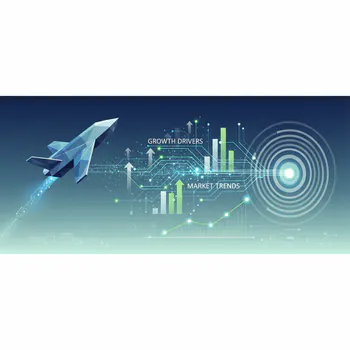
The global market for military drones is experiencing robust growth, driven by escalating defense budgets, technological advancements, and increasing demand for unmanned systems. As per a 2023 report by MarketsandMarkets, the military drone market is projected to grow at a CAGR of over 14% through 2030.
Key growth drivers include:
- Technological innovations: AI-enabled autonomous drones and improved sensor payloads are expanding capabilities.
- Geopolitical tensions: Rising conflicts encourage nations to invest in unmanned defense systems for strategic advantages.
- Cost-efficiency: Military drones reduce the need for expensive manned missions, lowering operational risks and expenses.
- Cross-sector collaborations: Defense contractors partnering with tech firms to integrate cutting-edge AI and cybersecurity solutions.
Regions like North America and Asia-Pacific dominate the market due to advanced defense infrastructure and proactive drone adoption policies. Meanwhile, emerging economies are gradually ramping up investments in military UAV capabilities.
Market Trends & Growth Drivers
Benefits & Advantages
Military drones offer numerous advantages over traditional manned aircraft and ground-based reconnaissance methods. These benefits include:
- Enhanced operational safety: UAVs reduce the risk to pilots by executing hazardous missions remotely.
- Extended mission endurance: Drones can remain airborne for hours or even days, providing continuous intelligence gathering.
- Cost-effectiveness: Lower manufacturing, maintenance, and operational costs compared to manned systems.
- High precision and agility: Advanced targeting systems allow for accurate strikes, minimizing collateral damage.
- Scalability and flexibility: From micro drones for close-range surveillance to large UAVs for strategic missions, drones cover diverse operational needs.
These advantages translate into measurable ROI for military organizations, enhancing mission success rates while conserving resources and personnel.
Challenges & Future Outlook
Despite their many benefits, military drones face several challenges that could impact their future deployment:
- Cybersecurity threats: Vulnerabilities in communication systems expose drones to hacking and data breaches.
- Regulatory and ethical concerns: Autonomous weapon systems raise legal and moral questions about accountability and use-of-force decisions.
- Technological limitations: Battery life constraints, weather susceptibility, and electronic interference remain issues.
- Counter-drone measures: Adversaries are developing anti-UAV technologies, necessitating continuous innovation.
Looking ahead, advancements in AI, quantum communication, and swarm drone technology promise to overcome many current limitations. The integration of machine learning will enable smarter decision-making and autonomous mission adaptation. Additionally, international frameworks may evolve to govern ethical deployment and ensure responsible use.
Overall, the future of military drones looks poised for significant expansion as they become core components of modern defense strategies worldwide.
Conclusion
In summary, military drones are redefining modern warfare and defense with their unmatched versatility, cost-effectiveness, and operational safety. From surveillance to precision strikes, their applications continue to grow, driven by technological innovation and geopolitical factors.
Businesses and defense agencies should focus on investing in R&D, cybersecurity, and ethical frameworks to maximize the potential of military drones. Staying abreast of evolving market trends and emerging technologies will be key to leveraging these systems effectively.
As this dynamic field advances, military drones will undoubtedly play an increasingly vital role in securing national interests and shaping the future of defense worldwide.
Need More Details on Market Players and Competitors?