
Nuclear Reactor: Powering the Future of Clean Energy
Discover how nuclear reactors power clean energy with insights on technology, applications, market trends, benefits, and the future outlook of this vital ind...
Introduction
The concept of a nuclear reactor has long fascinated scientists, engineers, and policymakers alike. As the world grapples with climate change and the urgent need for sustainable energy, nuclear reactors emerge as a pivotal technology capable of delivering large-scale, low-carbon power. But beyond the headlines and debates, understanding how nuclear reactors work and their implications is essential for anyone interested in the future of energy.
In this article, we will explore what a nuclear reactor is, dive into its core technology, examine real-world applications, analyze market trends, and discuss the benefits and challenges shaping its future. Whether you’re a business leader, technology enthusiast, or policy advocate, this comprehensive guide will illuminate the vital role nuclear reactors play in today’s energy landscape.
Technology and Concept Overview
A nuclear reactor is a device designed to initiate and control a sustained nuclear chain reaction. It primarily generates heat through nuclear fission—the splitting of atomic nuclei, typically uranium-235 or plutonium-239 atoms. This heat is then used to produce steam, which drives turbines connected to electrical generators.
Key components of a nuclear reactor include the fuel rods containing fissile material, the moderator that slows down neutrons to sustain the chain reaction, the control rods which absorb neutrons to regulate the reaction, and the coolant that transfers heat away from the reactor core.
Several types of nuclear reactors exist, such as Pressurized Water Reactors (PWR), Boiling Water Reactors (BWR), and emerging designs like Small Modular Reactors (SMRs). These variations differ in design and operation but fundamentally rely on controlled nuclear fission to produce energy.
Industry Applications & Use Cases
Nuclear reactors are predominantly used for electricity generation, supplying about 10% of the world’s electricity and over 30% of low-carbon power globally. Countries like France generate nearly 70% of their electricity through nuclear power, showcasing its potential for reliable, large-scale energy supply.
Beyond electricity, nuclear reactors have applications in naval propulsion. Nuclear-powered submarines and aircraft carriers benefit from reactors that provide extended operational endurance without refueling. For example, the U.S. Navy has operated nuclear reactors in its fleet for decades, enhancing military capabilities.
Some innovative uses include research reactors employed in producing medical isotopes for cancer treatment and sterilizing medical equipment. Additionally, emerging models of small modular nuclear reactors (SMRs) are enabling remote communities and industrial sites to access clean energy without large grid infrastructure.
Market Trends & Growth Drivers
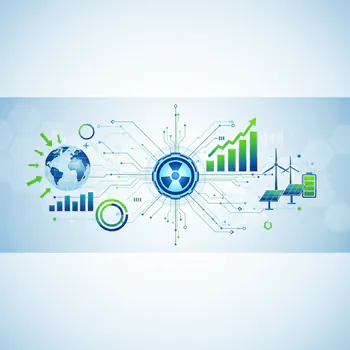
The global nuclear reactor market is experiencing nuanced growth influenced by a mix of policy, technology, and environmental concerns. As of 2024, there are approximately 440 operational reactors worldwide with several new projects underway, particularly in Asia.
Key growth drivers include the urgent need to reduce carbon emissions and transition away from fossil fuels. Nuclear energy's low greenhouse gas footprint makes it attractive amid global climate goals. Moreover, technological advances like SMRs offer enhanced safety, flexibility, and lower upfront costs, appealing to emerging markets.
According to industry projections, the global nuclear reactor market is expected to grow at a CAGR of around 3-4% over the next decade. Investments by countries such as China, India, and Russia in new reactor builds underscore the expanding demand. Additionally, public-private partnerships and government incentives contribute to renewed interest in nuclear energy infrastructure.
Market Trends & Growth Drivers
Benefits & Advantages
One of the strongest advantages of nuclear reactors is their ability to generate massive amounts of continuous, reliable power with minimal carbon emissions. Unlike intermittent renewable sources such as solar or wind, nuclear power plants provide a steady energy supply, crucial for grid stability.
From an economic perspective, despite high initial capital costs, nuclear reactors deliver excellent long-term ROI due to low fuel costs and long operational lifespans—often exceeding 40 years with modern upgrades. This cost-effectiveness benefits utilities and consumers alike.
Furthermore, nuclear reactors reduce dependency on fossil fuels, enhancing energy security. The advanced safety systems integrated into modern reactors also minimize accident risks, addressing longstanding concerns around nuclear safety.
Challenges & Future Outlook
While nuclear reactors offer many benefits, challenges persist. These include high upfront construction costs, complex regulatory environments, radioactive waste management, and public perception issues stemming from past nuclear accidents.
Addressing these challenges requires innovation. Technologies such as advanced reactor designs and passive safety systems are improving operational safety. Progress in nuclear waste recycling and storage solutions also promises to mitigate environmental concerns.
Looking ahead, the future of nuclear reactors is promising. The rise of SMRs and potential breakthroughs in fusion energy could revolutionize nuclear power. Additionally, hybrid energy systems combining nuclear with renewables may pave the way for fully sustainable energy grids.
In summary, while the path forward involves overcoming technical, economic, and societal hurdles, nuclear reactors will continue to be a cornerstone technology in achieving global clean energy and climate goals.
Conclusion
Nuclear reactors stand at the intersection of energy innovation and environmental stewardship. By understanding their technology, applications, market dynamics, and challenges, stakeholders can better appreciate the critical role they play in powering a sustainable future.
For businesses and policymakers, investing in advanced nuclear technologies offers a strategic pathway to secure, low-carbon energy. As new reactor designs emerge and global demand for clean power rises, nuclear reactors will remain integral to the evolving energy mix.
Embracing the potential of nuclear reactors today means harnessing a powerful tool for tomorrow’s sustainable energy landscape.
Need More Details on Market Players and Competitors?