
Offshore Platform Electrification: Revolutionizing Energy in Oil & Gas
Discover how offshore platform electrification is transforming oil and gas with cleaner energy, operational efficiency, and sustainable growth in the offshor...
Introduction
As the energy sector faces growing pressure to reduce carbon emissions and improve operational efficiency, offshore platform electrification has emerged as a transformative solution. This innovative approach involves integrating electric power systems into offshore oil and gas platforms, replacing traditional fossil-fuel-based power generation. With increasing regulatory demands and environmental concerns, offshore platform electrification is becoming not only a sustainability imperative but also a strategic business advantage.
In this article, we'll explore the core concepts behind offshore platform electrification, examine its industry applications, analyze current market trends, highlight its benefits, and discuss the challenges and future outlook of this evolving technology.
Technology and Concept Overview
Offshore platform electrification refers to the process of powering offshore oil and gas installations using electricity generated from onshore grids or renewable energy sources, rather than relying solely on onsite gas turbines or diesel generators. This shift reduces greenhouse gas emissions and enhances energy efficiency.
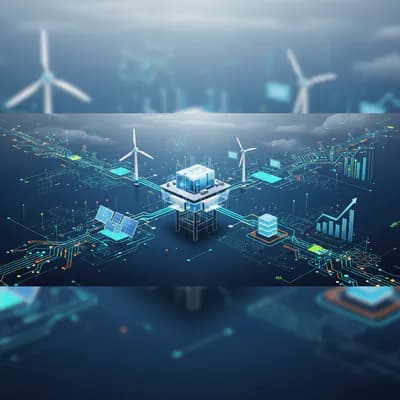
Key components include high-voltage subsea cables, electrical switchgear, transformers, and control systems that ensure safe and reliable power transmission. The concept integrates with renewable energy technologies, such as offshore wind farms, to supply clean power directly to platforms.
Traditionally, offshore platforms generate electricity using gas turbines fueled by hydrocarbons extracted onsite. While effective, this method produces significant CO2 emissions and limits operational flexibility. Electrification allows platforms to leverage cleaner energy sources and optimize power distribution.
Industry Applications & Use Cases
The oil and gas industry is increasingly adopting offshore platform electrification to meet sustainability goals. A prime example is Norway's Johan Sverdrup field, where electrification has reduced emissions by approximately 70%, showcasing the potential environmental impact.
Similarly, the UK's Hywind Scotland pilot project demonstrated how offshore wind energy could power remote platforms, combining renewable energy with offshore operations. This hybrid approach not only lowers emissions but also reduces fuel costs and maintenance needs.
Beyond oil extraction, offshore platform electrification is gaining traction in subsea processing and enhanced oil recovery (EOR) applications. Electrified platforms provide more precise control over these processes, improving overall production efficiency.
Market Trends & Growth Drivers
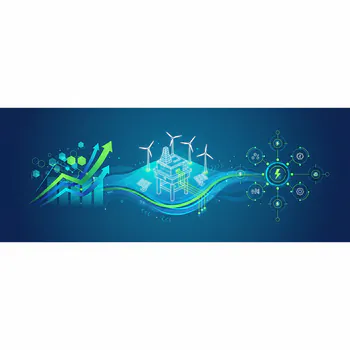
The global market for offshore platform electrification is expanding rapidly, driven by stricter environmental regulations, rising carbon pricing, and growing investments in renewable energy infrastructure. According to industry reports, the offshore electrification market is projected to grow at a compound annual growth rate (CAGR) of over 10% through 2030.
Key growth drivers include government incentives for decarbonization, advancements in subsea power cable technologies, and increased collaboration between oil majors and renewable energy firms. Additionally, the declining cost of offshore wind projects enhances the viability of electrification strategies.
Emerging markets in Southeast Asia and the Gulf of Mexico are also exploring electrification to extend the lifespan of aging platforms while aligning with global sustainability trends.
Market Trends & Growth Drivers
Benefits & Advantages
Offshore platform electrification offers numerous benefits for operators and stakeholders. Primarily, it significantly reduces carbon emissions, helping companies comply with international climate commitments and improve their environmental, social, and governance (ESG) profiles.
- Operational Efficiency: Electrification enables more reliable and flexible power supply, reducing downtime and increasing uptime.
- Cost Savings: By eliminating the need for onsite fuel consumption and reducing maintenance of gas turbines, electrification cuts operational expenses over time.
- Enhanced Safety: Electric power systems reduce the risks associated with handling and storing hazardous fuels on platforms.
- Scalability: Electrified platforms can easily integrate future renewable energy sources, supporting long-term decarbonization strategies.
- Improved ROI: Despite higher initial investments, the long-term financial benefits through lower fuel costs and carbon taxes deliver attractive returns.
Challenges & Future Outlook
Despite its promise, offshore platform electrification faces several challenges. The upfront capital expenditure for subsea cables and electrical infrastructure can be substantial, especially for remote or deepwater installations. Technical complexities related to harsh marine environments and ensuring grid reliability offshore also present hurdles.
However, ongoing innovations in subsea cable technology, modular electrical systems, and digital monitoring are mitigating these concerns. Collaboration between oil, gas, and renewable energy sectors is driving integrated solutions that balance cost and performance.
Looking ahead, the future of offshore platform electrification is bright. As renewable energy costs continue to fall and regulatory pressure intensifies, electrification will become standard practice rather than an exception. Emerging concepts like hybrid power systems combining wind, solar, and battery storage are set to further enhance offshore energy resilience and sustainability.
Conclusion
Offshore platform electrification is reshaping the future of offshore oil and gas operations by delivering cleaner, more efficient, and safer energy solutions. By understanding its technology, real-world applications, market dynamics, and benefits, industry stakeholders can make informed decisions to accelerate their decarbonization journey.
While challenges remain, the ongoing innovations and collaborative efforts point to a promising future where offshore platforms operate with minimal carbon footprints. Embracing offshore platform electrification today is not only an environmental imperative but also a strategic business move that positions companies for success in a transitioning energy landscape.
Need More Details on Market Players and Competitors?