
Residential Generators: Powering Homes with Reliability & Ease
Discover how residential generators provide reliable backup power, their market trends, benefits, and future outlook for modern homes and smart living.

Introduction
Imagine facing a sudden power outage during a storm or an unexpected grid failure. For many homeowners, such interruptions can disrupt daily routines, jeopardize safety, and cause significant inconvenience. This is where residential generators come into play, ensuring that your home remains powered no matter the circumstances.
In this article, we will explore the world of residential generators—what they are, how they work, and why they’re becoming essential for modern households. We’ll dive into their applications, current market trends, benefits, challenges, and what the future holds for this vital home technology.
Technology and Concept Overview
Residential generators are backup power systems designed specifically to provide electricity to homes during outages. Unlike portable generators, which require manual setup, many residential generators are permanently installed and automatically activate when the main power supply fails.
These generators typically run on natural gas, propane, or diesel fuel. The core components include an engine (which powers the generator), an alternator (which converts mechanical energy into electrical energy), and an automatic transfer switch (ATS) that seamlessly switches power from the grid to the generator.
Understanding the key terms helps clarify the technology:
- Automatic Transfer Switch (ATS): Detects loss of utility power and switches the home's electrical circuits to generator power within seconds.
- Fuel Type: Commonly natural gas or propane for cleaner emissions and continuous fuel supply, with diesel as an alternative.
- Standby Generators: Permanently installed, designed to power the entire home or selected circuits automatically.
Residential generators are engineered to provide a reliable, hassle-free power solution, aligning with advances in home automation and smart energy management.
Industry Applications & Use Cases
Residential generators have broad real-world applications, especially in regions prone to natural disasters, frequent outages, or unreliable grid infrastructure.
For example, in hurricane-prone areas like Florida and the Gulf Coast, homeowners invest in standby generators to maintain essential services such as refrigeration, HVAC systems, medical devices, and lighting. A notable success story is a Miami-based family who avoided food spoilage and medical equipment downtime during Hurricane Irma, thanks to their automatic residential generator.
Beyond emergency preparedness, residential generators support remote homes, off-grid properties, and those with home offices requiring uninterrupted connectivity. They’re also crucial for elderly residents dependent on electrically-powered medical devices, ensuring safety and peace of mind.
Across sectors, these generators are increasingly integrated into smart home systems, allowing for remote monitoring, predictive maintenance, and energy optimization.
Market Trends & Growth Drivers
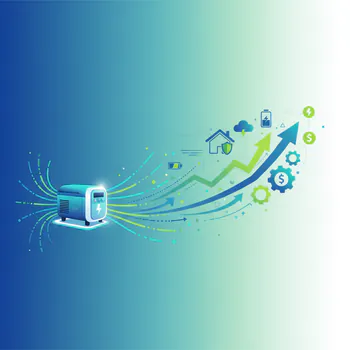
The market for residential generators has seen steady growth driven by multiple factors. According to industry reports, the global residential generator market is projected to grow at a CAGR of approximately 5-7% over the next five years.
Key growth drivers include:
- Increasing frequency of extreme weather events: Storms, wildfires, and floods cause power interruptions, boosting demand.
- Rising consumer awareness: Homeowners recognize the value of reliable backup systems.
- Advancements in technology: Modern generators are quieter, more fuel-efficient, and easier to maintain.
- Government incentives: Some regions offer tax credits or rebates for installing energy backup solutions.
Additionally, the move towards smart homes and integration with renewable energy sources like solar panels is propelling innovation in the market. Hybrid systems combining solar power with residential generators are becoming popular, allowing households to minimize fuel use and carbon footprint.
Market Trends & Growth Drivers
Benefits & Advantages
Investing in a residential generator offers numerous benefits for homeowners and businesses alike.
- Uninterrupted Power Supply: Ensures continuous operation of essential appliances and systems during outages.
- Enhanced Safety: Maintains lighting, security systems, and medical devices, reducing risk in emergencies.
- Increased Property Value: Homes equipped with standby generators often have higher resale value due to added reliability.
- Convenience & Automation: Automatic transfer switches eliminate manual intervention, providing seamless power transition.
- Cost Savings: While initial investment varies, the prevention of food spoilage, damage to electronics, and lost productivity can offer significant ROI.
Moreover, compared to portable generators, residential generators produce less noise and emissions, creating a more pleasant and environmentally conscious solution.
Challenges & Future Outlook
Despite their advantages, residential generators face challenges. Installation costs can be significant, especially for whole-home solutions. Proper maintenance is critical to ensure reliable operation, which can deter some homeowners.
Environmental concerns are another factor, as traditional fuel-based generators emit greenhouse gases. However, manufacturers are addressing these issues through innovations such as:
- Cleaner Fuel Options: Propane and natural gas models produce fewer emissions.
- Hybrid Systems: Combining battery storage and solar with generators to reduce fuel consumption.
- Smart Monitoring: IoT sensors allow predictive maintenance, reducing downtime and operational costs.
Looking ahead, the future of residential generators is promising. Market analysts predict increased adoption driven by urbanization, climate change, and technological integration. We can expect more compact, efficient, and eco-friendly models tailored for smart homes.
Conclusion
Residential generators are no longer a luxury but a critical component of modern home infrastructure. They provide dependable power, enhance safety, and bring peace of mind during uncertain times. As technology advances and awareness grows, more homeowners are turning to standby generators to safeguard their homes.
To make the most of this investment, consider your home’s power needs, fuel availability, and budget, and consult with a trusted professional. With the right system in place, you’ll be prepared for unexpected outages and ready to embrace a future where energy resilience is paramount.
In a world increasingly reliant on uninterrupted power, residential generators stand as a beacon of reliability—powering homes, protecting families, and ensuring continuity come what may.
Need More Details on Market Players and Competitors?