
Unlocking Innovation with Small Animal Imaging Reagents
Explore how small animal imaging reagents revolutionize preclinical research with advanced molecular imaging, market trends, applications, benefits, and futu...

Introduction
In the rapidly evolving world of biomedical research, the ability to visualize biological processes at the molecular and cellular levels plays a pivotal role. Small Animal Imaging Reagents have become indispensable tools for scientists seeking to understand disease mechanisms, evaluate therapeutic effects, and accelerate drug discovery. These reagents enable precise and non-invasive imaging in preclinical studies, offering insights that translate to human health advancements.
This article dives deep into the realm of small animal imaging reagents, exploring their core technologies, industry applications, market trends, benefits, and future outlook. Whether you are a researcher, pharmaceutical professional, or an industry stakeholder, this comprehensive overview will shed light on why these reagents are revolutionizing preclinical imaging and shaping the future of healthcare innovation.
Technology and Concept Overview
Small Animal Imaging Reagents refer to specialized compounds designed to enhance the visualization of biological targets in small laboratory animals, such as mice and rats, during imaging procedures. These reagents are often tagged with radioactive isotopes, fluorescent dyes, or magnetic particles to facilitate detection by various imaging modalities.
Key imaging technologies that utilize these reagents include:
- Positron Emission Tomography (PET): Uses radioactive tracers to measure metabolic processes.
- Single Photon Emission Computed Tomography (SPECT): Employs gamma-emitting radioisotopes for 3D imaging.
- Magnetic Resonance Imaging (MRI): Utilizes contrast agents to enhance soft tissue differentiation.
- Optical Imaging: Employs fluorescent and bioluminescent probes to observe molecular events in real-time.
These imaging reagents are engineered to target specific biological markers such as cancer cells, inflammatory sites, or neurological receptors, improving the specificity and sensitivity of small animal imaging studies.
Industry Applications & Use Cases
The application of small animal imaging reagents spans multiple sectors within biomedical research and pharmaceutical development. For instance, in oncology research, radiolabeled antibodies are used to visualize tumor growth and metastasis in mouse models, enabling researchers to monitor treatment responses in real time.
One notable success story comes from a leading pharmaceutical company that utilized PET imaging reagents to track drug distribution in rodent models during early-stage clinical trials. This approach expedited their drug development timeline by accurately predicting human pharmacokinetics. Similarly, in neuroscience, fluorescent imaging reagents have been invaluable for studying neurodegenerative diseases, such as Alzheimer's, by highlighting amyloid plaque formation in living animals.
Moreover, these reagents are pivotal in regenerative medicine, where monitoring stem cell therapies in animal models is crucial for assessing efficacy and safety. Veterinary medicine also benefits by improving diagnostics and treatment evaluation in small pets with conditions like arthritis or cancer.
Market Trends & Growth Drivers
The global market for small animal imaging reagents is witnessing significant growth, driven by surging investments in preclinical research and the increasing adoption of molecular imaging technologies. According to recent industry reports, the preclinical imaging market is projected to grow at a compound annual growth rate (CAGR) of over 8% through 2028.
Several factors fuel this expansion:
- Rising prevalence of chronic diseases: Increased research into cancer, neurological disorders, and cardiovascular diseases demands advanced imaging reagents.
- Technological advancements: Innovations in probe design and imaging equipment enhance reagent sensitivity and reduce toxicity.
- Regulatory support: Agencies promoting translational research encourage the use of precise imaging to bridge animal studies and human clinical trials.
- Personalized medicine: Demand for targeted therapies boosts the need for reagents that can image specific molecular pathways.
As a result, biotech firms and academic institutions are actively collaborating to develop next-generation small animal imaging reagents, expanding their clinical relevance and application scope.
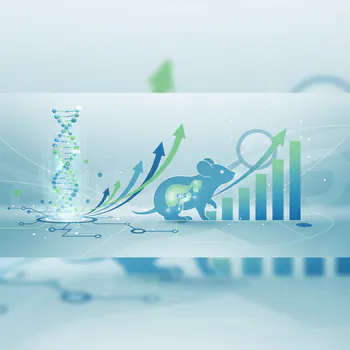
Market Trends & Growth Drivers
Benefits & Advantages
Utilizing small animal imaging reagents offers several compelling benefits:
- Non-invasive monitoring: Enables repeated imaging in the same animal, reducing the number of subjects needed and improving data reliability.
- High specificity and sensitivity: Targeted reagents allow visualization of minute pathological changes at molecular levels.
- Accelerated drug development: Provides early insights into drug biodistribution, efficacy, and toxicity, decreasing time-to-market.
- Cost-effective research: Reduces the expenses associated with invasive procedures and enhances the statistical power of studies.
- Enhanced translational value: Data obtained from small animal imaging can better predict human responses, improving clinical trial design.
From a competitive standpoint, organizations leveraging these reagents gain a strategic edge by integrating cutting-edge molecular imaging into their R&D pipelines, ultimately facilitating more informed decision-making.
Challenges & Future Outlook
Despite their advantages, small animal imaging reagents face certain challenges. These include the complexity of designing highly specific probes that do not interfere with biological functions, potential toxicity of some contrast agents, and the high cost of developing and validating new reagents.
Moreover, standardization across laboratories remains a hurdle, impacting reproducibility and regulatory acceptance. However, ongoing innovations such as nanotechnology-based probes, multimodal imaging reagents, and artificial intelligence-assisted imaging analysis promise to overcome these limitations.
Looking ahead, the future of small animal imaging reagents is bright. Emerging trends suggest a move toward personalized imaging agents tailored to individual disease markers, improved biocompatibility, and real-time dynamic imaging capabilities. Integration with digital health and machine learning will further enhance data interpretation, accelerating translational research and personalized medicine.
Conclusion
Small animal imaging reagents stand at the forefront of preclinical research, offering transformative capabilities that enhance our understanding of complex diseases and streamline drug development. Their ability to provide non-invasive, high-resolution insights into biological processes makes them invaluable across oncology, neuroscience, regenerative medicine, and beyond.
By recognizing current market trends, benefits, and challenges, stakeholders can strategically harness these reagents to drive innovation and improve patient outcomes. As technology advances, the integration of novel reagents with cutting-edge imaging platforms will undoubtedly unlock new frontiers in biomedical science.
For researchers and industry professionals alike, staying abreast of developments in small animal imaging reagents is essential to remain competitive and contribute meaningfully to the future of healthcare.
Need More Details on Market Players and Competitors?