
Unlocking Success with Licensed Merchandise: Trends & Benefits
Explore licensed merchandise trends, benefits, and market insights. Discover how brands leverage licensing to boost revenue and engage consumers worldwide.

Introduction
Licensed merchandise has become a powerful force in the global retail landscape, bridging the gap between popular brands, entertainment franchises, and consumers. From blockbuster movies to iconic sports teams, licensed merchandise turns fan enthusiasm into tangible products that drive significant business value.
In this article, we’ll explore what licensed merchandise entails, highlight its real-world applications, analyze market trends, and discuss the benefits and challenges that come with it. Whether you're a retailer, brand owner, or simply curious about this dynamic sector, this guide provides a comprehensive overview of why licensed merchandise matters today more than ever.
Technology and Concept Overview
Licensed merchandise refers to products that are authorized for sale by a brand or intellectual property (IP) owner to a third party, allowing them to produce and market items featuring trademarks, logos, or characters. This licensing process involves legal agreements where the licensee pays royalties or fees in exchange for the rights to use the brand's identity on their products.
Key terms include:
- Licensor: The brand or IP owner who grants the license.
- Licensee: The company authorized to create and sell the merchandise.
- Royalties: Payments made to the licensor, often a percentage of sales revenue.
- Intellectual Property (IP): Creations like logos, characters, slogans, or designs protected by law.
Licensed merchandise spans a wide range of products including apparel, toys, collectibles, home décor, and more. Its core purpose is to leverage existing brand equity to engage fans and consumers, enhancing both brand visibility and revenue streams.
Industry Applications & Use Cases
The impact of licensed merchandise is evident across numerous industries. For example, entertainment franchises such as Disney, Marvel, and Harry Potter have built multi-billion-dollar merchandise businesses by licensing their characters for products ranging from action figures to clothing lines.
In the sports sector, licensed jerseys, hats, and memorabilia connect fans to their favorite teams and players. The National Football League (NFL) and the NBA generate billions annually through officially licensed merchandise, demonstrating the deep emotional connection fans have with their teams.
Retailers and e-commerce platforms also benefit from licensed merchandise by attracting customers seeking exclusive or officially branded products. For instance, specialty stores like Hot Topic have thrived by focusing heavily on pop culture licensed merchandise, creating niche markets within broader retail environments.
A notable success story is Lego’s partnership with Star Wars, which has produced highly popular sets that combine two powerful brands. This collaboration not only boosts product sales but also strengthens customer loyalty through shared brand narratives.
Market Trends & Growth Drivers
The licensed merchandise market has witnessed robust growth, driven by several key trends:
- Globalization of pop culture: The spread of entertainment media worldwide has expanded the reach of licensed products beyond traditional markets.
- Rise of e-commerce: Online platforms have made it easier for consumers to access a wide range of licensed merchandise, increasing sales and market penetration.
- Collaborations and limited editions: Exclusive product launches and celebrity endorsements create buzz and drive demand.
- Sustainability focus: Brands are now incorporating eco-friendly materials into licensed merchandise, appealing to socially conscious consumers.
According to a recent market research report, the global licensed merchandise market size is expected to surpass $280 billion by 2027, growing at a compound annual growth rate (CAGR) of around 8%. This growth is propelled by expanding fan bases, diversification of product categories, and innovative licensing strategies.
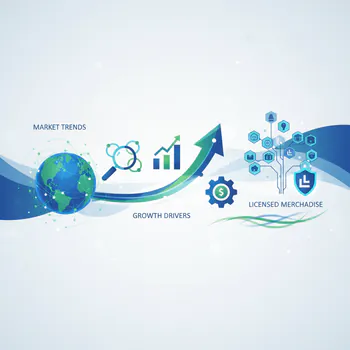
Market Trends & Growth Drivers
Benefits & Advantages
Licensed merchandise offers multiple advantages to businesses and consumers alike. For licensors, it presents a lucrative revenue stream with relatively low risk, as manufacturing and distribution are typically handled by the licensee. This allows brands to focus on core activities like content creation and brand management.
For licensees, licensed merchandise provides instant brand recognition and access to established customer bases, reducing marketing costs and accelerating sales velocity. It also offers a competitive advantage by aligning products with popular IPs, which can differentiate offerings in crowded marketplaces.
Consumers benefit from licensed merchandise through access to authentic products that enhance their connection to favorite brands or franchises. This emotional engagement often translates into repeat purchases and brand advocacy.
From an ROI perspective, companies leveraging licensed merchandise can see significant returns through increased brand exposure, loyalty, and cross-promotional opportunities.
Challenges & Future Outlook
Despite its benefits, the licensed merchandise market faces several challenges. One major issue is the risk of counterfeit products, which can damage brand reputation and undercut legitimate sales. Managing licensing agreements and ensuring consistent product quality across different licensees can also be complex.
Moreover, navigating changing consumer preferences and rapidly evolving trends requires agility and innovation. The rise of digital experiences and virtual merchandise—such as NFTs and metaverse apparel—is reshaping what licensing means in the 21st century.
Looking ahead, advances in technology like augmented reality (AR) and 3D printing are expected to create new avenues for licensed merchandise, enabling personalized and immersive consumer experiences. Sustainability will also play a critical role, with brands adopting greener production methods to meet regulatory requirements and consumer expectations.
Overall, the future of licensed merchandise looks promising as it continues to adapt and evolve in a dynamic market environment.
Conclusion
Licensed merchandise stands at the intersection of brand strategy, consumer engagement, and retail innovation. By unlocking the value of intellectual property, it drives substantial economic growth and deepens connections between brands and their audiences.
Businesses looking to capitalize on licensed merchandise should focus on strategic partnerships, quality control, and leveraging emerging technologies to stay ahead in this competitive field. With the global market expanding and new trends emerging, licensed merchandise remains a vital tool for building brand loyalty and generating revenue in an increasingly digital and consumer-driven world.
Embracing licensed merchandise today means unlocking tomorrow’s opportunities for innovation, growth, and lasting customer relationships.
Need More Details on Market Players and Competitors?