
Electric Aircraft Comprehensive Market Study
North America Electric Aircraft Market is segmented by Application (Passenger Transport, Cargo Aviation, Urban Air Mobility, Defense Aviation), Type (Battery Electric Aircraft, Hybrid Electric Aircraft, eVTOL Aircraft, Regional Electric Aircraft), and Geography (United States, Canada, Mexico)
Pricing
Report Overview
Scope of the Electric Aircraft Market
The Electric Aircraft market is witnessing steady expansion and is expected to grow at a CAGR of 24.80% during the forecast period from 2021 to 2034. The market is benefiting from increasing awareness regarding efficiency, sustainability, and cost optimization among businesses and consumers.
The Electric Aircraft Market comprises fixed-wing aircraft, vertical takeoff and landing vehicles, hybrid-electric aviation systems, propulsion technologies, battery systems, and supporting infrastructure that utilize electric power to enable low-emission air transportation. These aircraft support passenger mobility, cargo transportation, pilot training, and emerging urban air mobility applications. Market scope includes electric airplanes, hybrid-electric aircraft, electric propulsion systems, aviation battery technologies, charging infrastructure, and aircraft energy management solutions. It excludes conventional fossil-fuel-powered aircraft. Market growth is driven by increasing sustainability initiatives, advancements in battery technology, expansion of advanced air mobility programs, and rising investments in aviation decarbonization across North America. Demand-side dynamics are influenced by emission reduction goals and operational cost optimization, while supply-side transformation focuses on lightweight materials, high-energy-density batteries, and intelligent propulsion architectures. Technological evolution involving autonomous electric flight systems, distributed electric propulsion, digital aircraft twins, and advanced aviation energy management continues to improve efficiency, range, safety, and commercial viability throughout the regional aerospace market
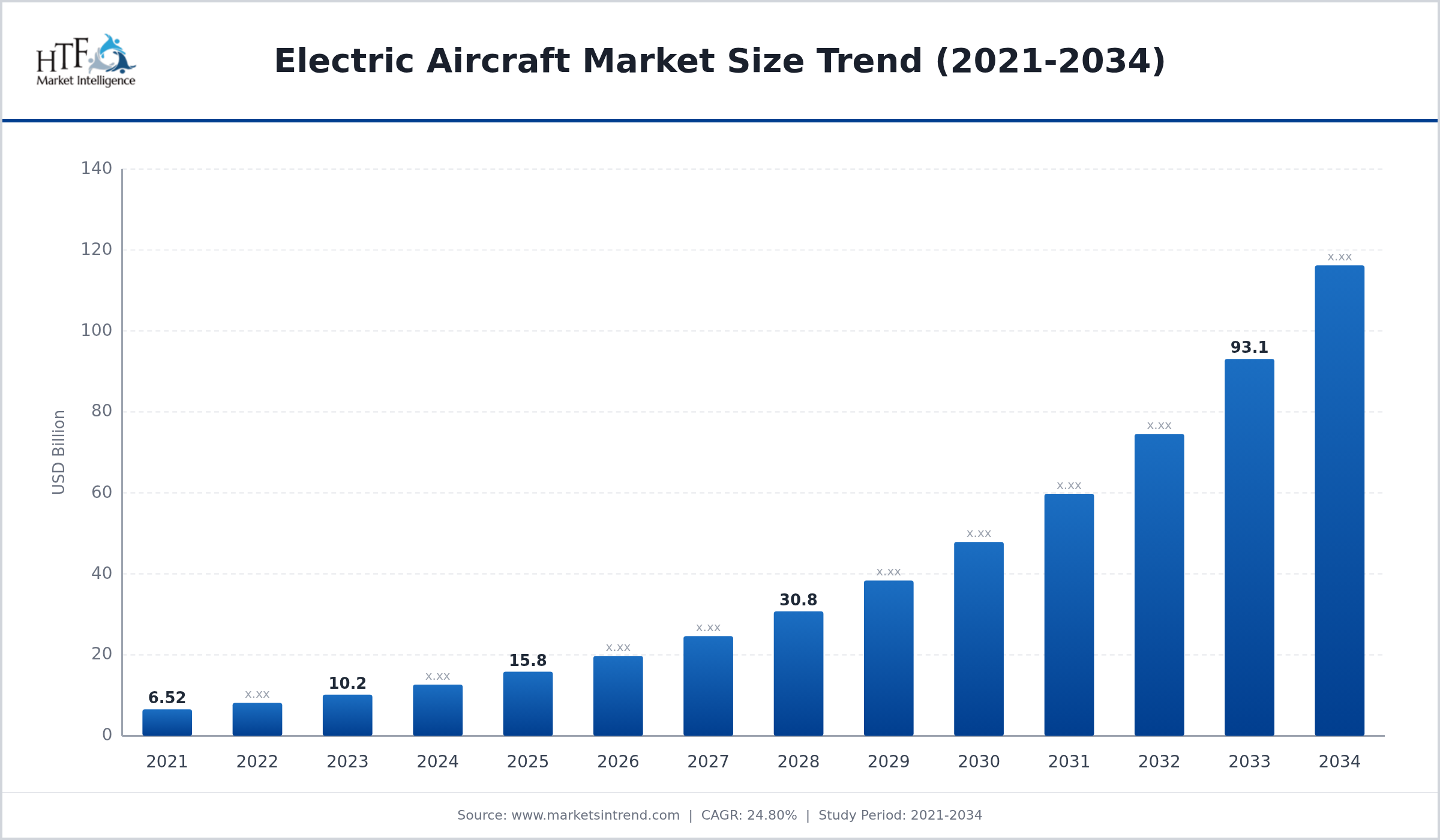
Source: HTF Market Intelligence [HTF MI]
A market research report provides businesses with data-driven insights to make informed decisions about market trends, customer behavior, and competitors. These reports help organizations better understand the evolving needs of their target audience, enabling more customer-focused strategies.
Market Dynamics
Influencing Trend:
- • Battery electric propulsion systems hybrid electric aircraft technologies advanced energy storage solutions lightweight aerospace materials autonomous flight technologies and digital aircraft performance management platforms are major trends shaping the market Industry participants increasingly focus on improving aircraft range efficiency and operational reliability Demand for sustainable regional transportation and next generation aviation solutions is increasing Integration of artificial intelligence advanced propulsion systems and smart energy management technologies is accelerating innovation while supporting commercialization of electric aviation platforms across passenger cargo and urban mobility applications
- • Increasing pressure to reduce aviation emissions growing investments in sustainable aviation technologies rising fuel cost concerns and expanding support for next generation transportation systems are driving the electric aircraft market across North America Aerospace manufacturers airlines and technology companies increasingly develop electric aviation solutions to improve environmental performance and operational efficiency Growing demand for regional air mobility and low emission transportation is accelerating innovation Expansion of government sustainability initiatives and advanced aviation research programs continues to strengthen demand for electric aircraft technologies throughout the region while supporting long term aviation decarbonization objectives
- • Battery limitations certification requirements infrastructure development challenges and high research costs remain major obstacles Achieving commercial scalability while ensuring safety performance and regulatory compliance increases implementation complexity
- • Expansion of sustainable transportation investments increasing demand for low emission aviation solutions and growing adoption of advanced aerospace technologies create substantial opportunities for industry participants Technological advancements in battery systems electric propulsion lightweight materials and aircraft software can significantly improve market adoption Rising demand from commercial aviation operators logistics companies regional airlines and mobility service providers supports long term growth Opportunities also exist in urban air mobility ecosystems autonomous aviation networks and sustainable transportation infrastructure Strategic collaborations between aerospace manufacturers governments and technology companies are expected to accelerate market expansion
- United States
- Canada
- Mexico
Competitive Insights
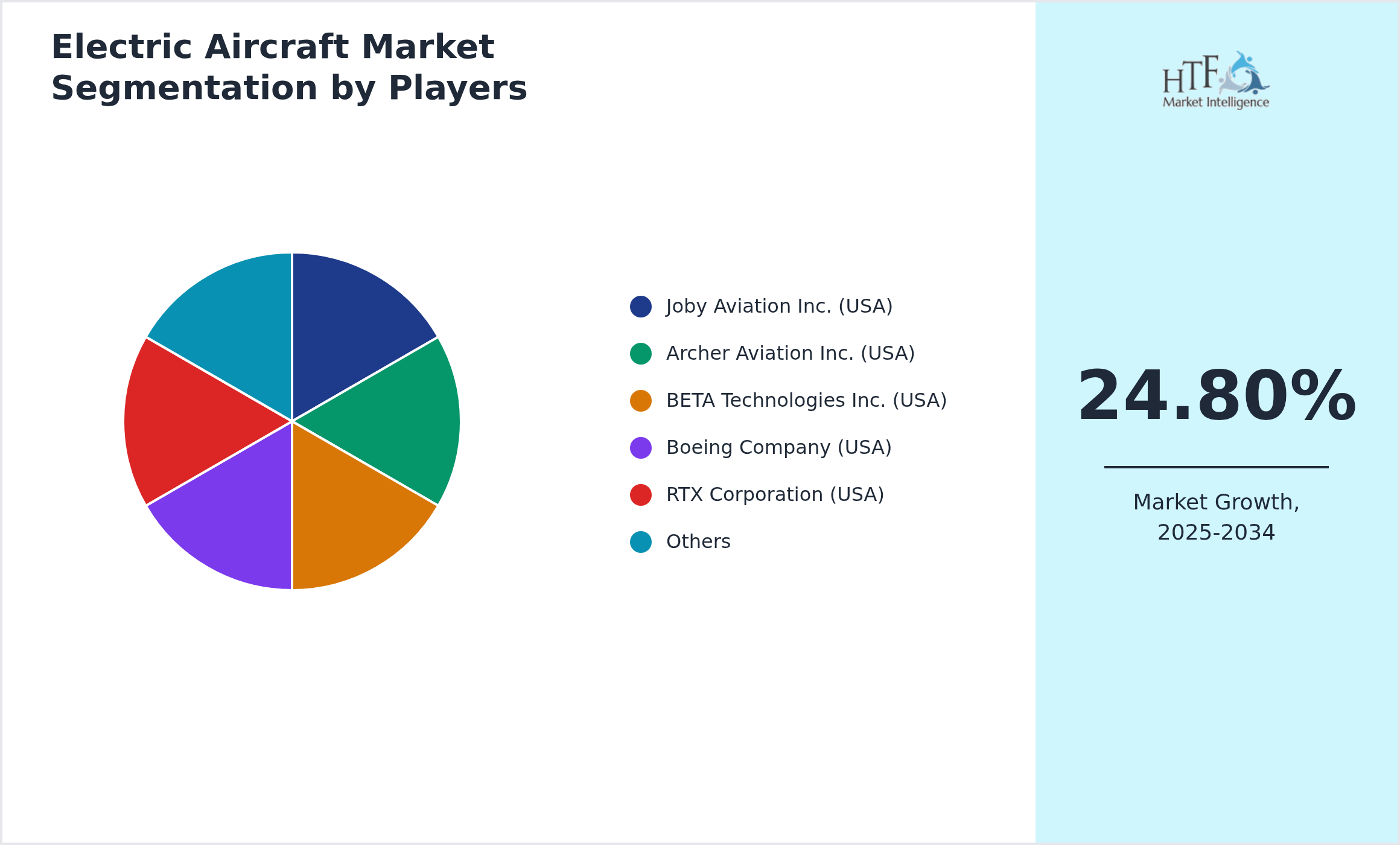
The key players in the Electric Aircraft are intensifying their focus on research and development (R&D) activities to innovate and stay competitive. Major companies, such as Joby Aviation Inc. (USA), Archer Aviation Inc. (USA), BETA Technologies Inc. (USA), Boeing Company (USA), RTX Corporation (USA), Electra.aero Inc. (USA), Wisk Aero LLC (USA), Heart Aerospace AB (Sweden), magniX USA Inc. (USA), GE Aerospace (USA), Honeywell International Inc. (USA), NASA (USA), Vertical Aerospace Group Ltd. (UK), Lilium N.V. (Germany), Eve Air Mobility (Brazil), are heavily investing in R&D to develop new products and improve existing ones. This strategic emphasis on innovation drives significant advancements in product formulation and the introduction of sustainable and eco-friendly products.
In addition to R&D and acquisitions, there is a notable shift towards green investments among key players in the consumer goods industry. Companies are increasingly committing resources to sustainable practices and developing environmentally friendly products. This green investment responds to growing consumer demand for sustainable solutions and stringent environmental regulations. By prioritizing sustainability, these companies are not only contributing to environmental protection but also positioning themselves as leaders in the green movement, thereby fueling market growth.
- • Joby Aviation Inc. (USA)
- • Archer Aviation Inc. (USA)
- • BETA Technologies Inc. (USA)
- • Boeing Company (USA)
- • RTX Corporation (USA)
- • Electra.aero Inc. (USA)
- • Wisk Aero LLC (USA)
- • Heart Aerospace AB (Sweden)
- • magniX USA Inc. (USA)
- • GE Aerospace (USA)
- • Honeywell International Inc. (USA)
- • NASA (USA)
- • Vertical Aerospace Group Ltd. (UK)
- • Lilium N.V. (Germany)
- • Eve Air Mobility (Brazil)
Key Highlights
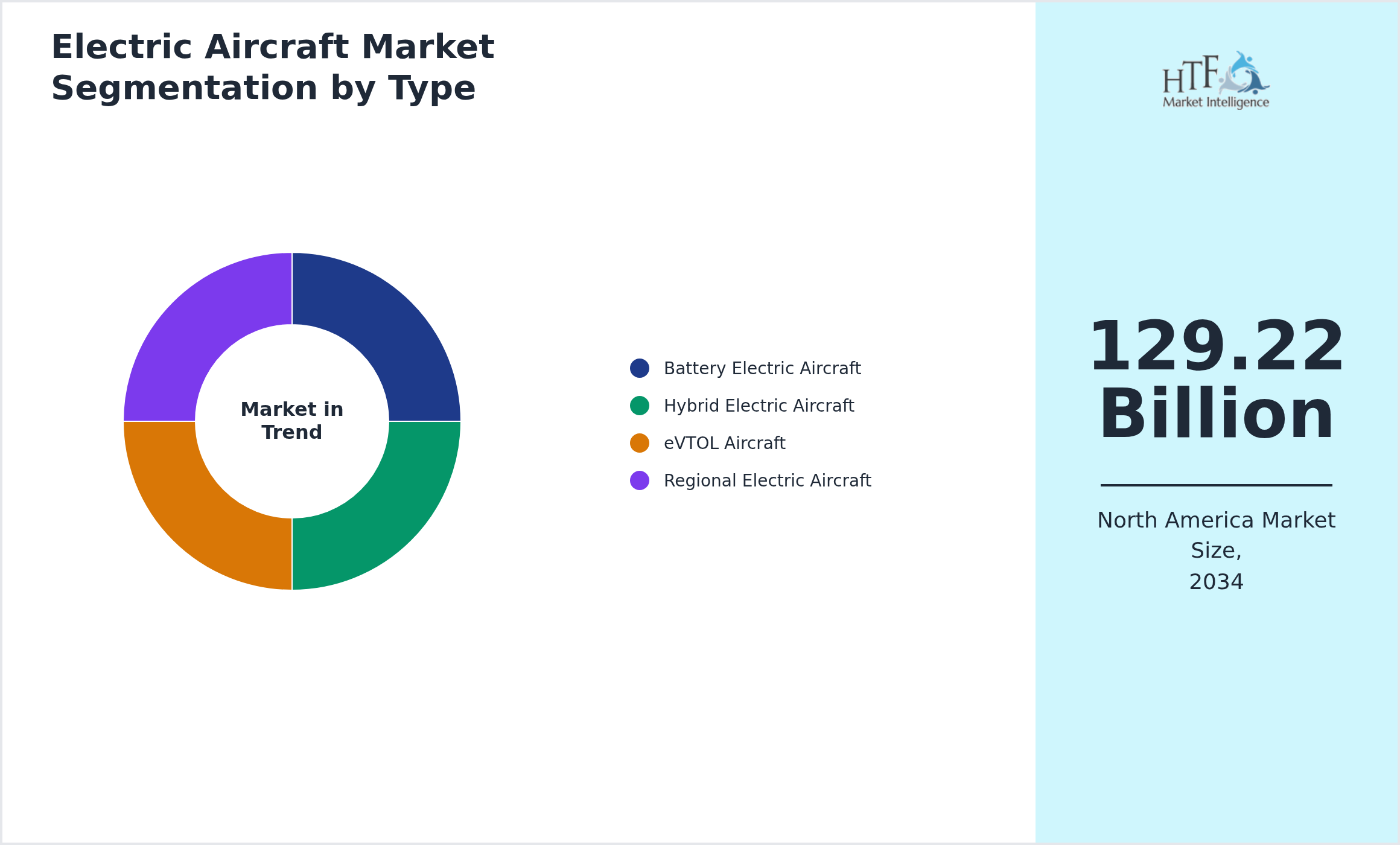
Segmentation by Type
- • Battery Electric Aircraft
- • Hybrid Electric Aircraft
- • eVTOL Aircraft
- • Regional Electric Aircraft
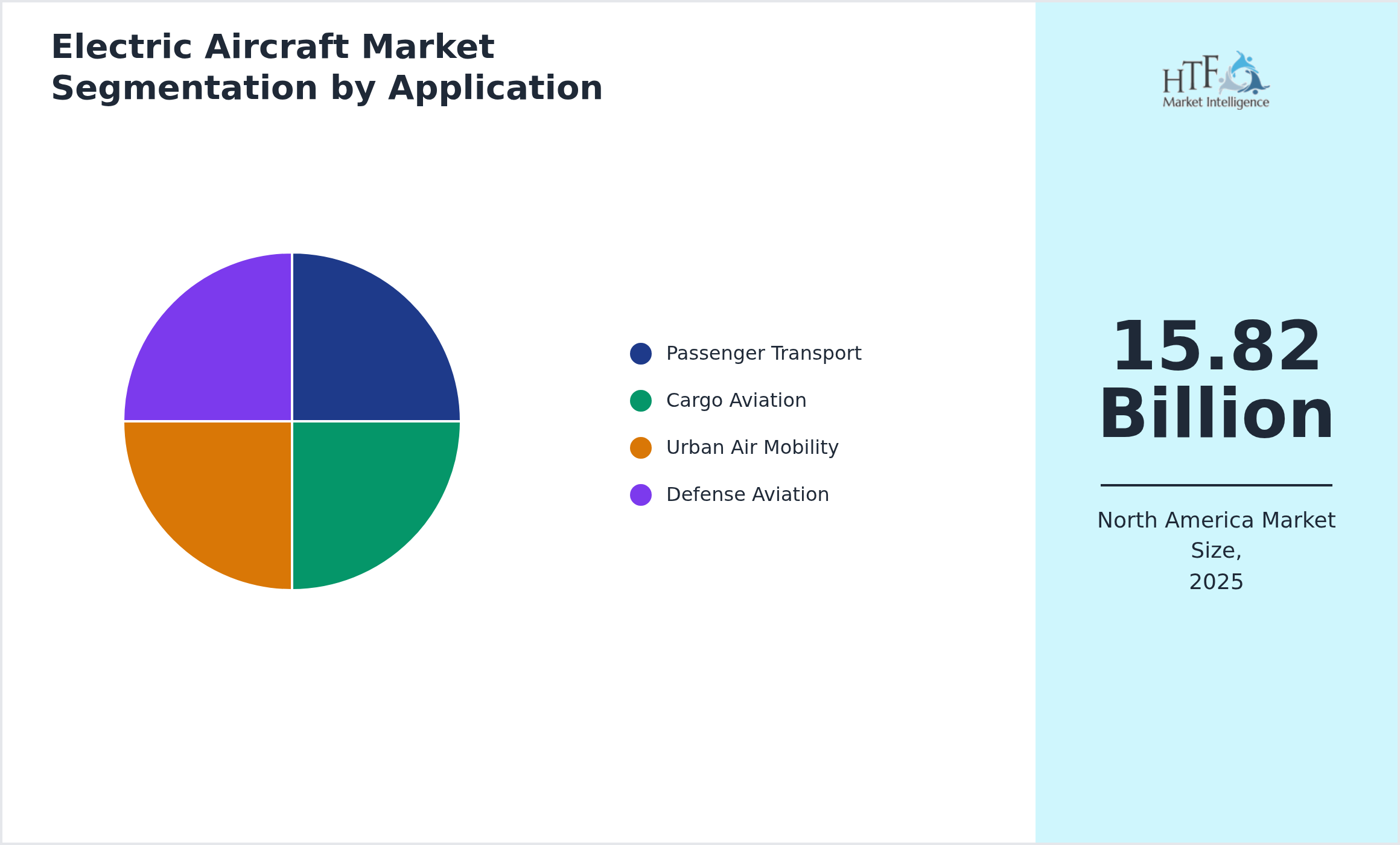
Segmentation by Application
- • Passenger Transport
- • Cargo Aviation
- • Urban Air Mobility
- • Defense Aviation
Market Entropy
- • Q1 2024 electric aircraft adoption expanded improving flight efficiency by 15 to 18 percent and reducing fuel dependency by 20 to 24 percent while accelerating aviation decarbonization
- • Q2 2024 battery electric propulsion systems improved energy efficiency by 12 to 16 percent and reduced operating costs by 10 to 14 percent while enabling early commercial trials
- • Q3 2024 hybrid electric aviation platforms improved range performance by 18 to 22 percent and reduced emissions by 12 to 15 percent while supporting regional air mobility expansion
- • Q4 2024 distributed electric propulsion systems improved aircraft reliability by 20 to 24 percent and reduced maintenance costs by 15 to 18 percent while enabling scalable aircraft design
- • Q1 2025 next generation electric aviation ecosystems improved operational efficiency by 22 to 26 percent and reduced lifecycle costs by 15 to 19 percent while accelerating commercial aviation electrification
Marger & Acquisition
- • February 2026 – Aerospace innovation company ElectraFlight USA acquired electric propulsion specialist AircraftCore Technologies to strengthen electric aircraft capabilities across the North American aerospace market The acquisition reflects rapidly increasing demand for sustainable aviation technologies supporting aircraft manufacturers regional airlines urban air mobility operators defense organizations and aviation service providers Analysts noted stakeholders increasingly prioritize electric aircraft solutions integrated with advanced battery technologies lightweight airframe systems intelligent energy management platforms autonomous flight capabilities and nextgeneration propulsion architectures The combined company plans to expand aerospace electrification technologies sustainable aviation systems and advanced mobility capabilities throughout North America Industry observers believe aviation decarbonization goals eVTOL commercialization aerospace modernization initiatives and clean transportation investments across North America will continue driving exceptionally high longterm demand for electric aircraft
Regulatory Landscape
- • Regulatory framework includes FAA certification requirements for electric propulsion aircraft strict airworthiness standards and safety testing protocols environmental regulations strongly support aviation decarbonization initiatives import export controls apply to aerospace components certification requirements include Part 23 aircraft certification standards operational risks include battery safety limitations range constraints and certification delays sustainability mandates strongly accelerate adoption but slow commercial scaling timelines
Patent Analysis
- • Patent activity is concentrated in electric propulsion systems battery optimization architectures hybrid electric aircraft designs and energy efficient avionics North America leads due to strong aerospace innovation ecosystem and EV technology convergence Patent filings focus on high density battery systems thermal management architectures and distributed electric propulsion systems Strong defensibility arises from aerospace certification barriers and high R and D intensity Additional innovation includes hydrogen electric hybrid propulsion and AI optimized energy management systems
Investment Funding
- • The electric aircraft market in North America is witnessing strong growth driven by demand for sustainable aviation solutions and advancements in battery propulsion technologies Companies are investing in electric propulsion systems lightweight materials and hybrid aircraft designs Demand is increasing from regional airlines and urban air mobility operators Companies are focusing on reducing emissions improving efficiency and lowering operating costs Additionally aviation decarbonization initiatives are accelerating adoption
Regional Analysis
- • North America is global leader in electric aircraft development with strong activity in United States aerospace sector and Canadian aviation innovation hubs consumption patterns include short haul electric aviation urban air mobility and regional electric propulsion systems industrial ecosystem includes aerospace manufacturers battery technology firms and aviation startups investment activity is extremely strong with billions invested in sustainable aviation technologies growth trajectory is high but dependent on certification and battery advancement commercial opportunities include electric commuter aircraft and hybrid electric regional aviation systems
Competitive Innovation Radar
- • Automation systems enable autonomous power management AI integration improves flight efficiency Smart monitoring systems provide real time energy diagnostics Predictive analytics reduce battery failure risks Precision manufacturing improves aircraft efficiency Sustainable technologies reduce aviation emissions Digital traceability ensures aircraft compliance IoT integration connects aircraft systems Operational optimization improves energy usage Production scalability enables aircraft fleet expansion Resource optimization improves energy efficiency
The Top-Down and Bottom-Up Approaches
The top-down approach begins with a broad theory or hypothesis and breaks it down into specific components for testing. This structured, deductive process involves developing a theory, creating hypotheses, collecting and analyzing data, and drawing conclusions. It is particularly useful when there is substantial theoretical knowledge, but it can be rigid and may overlook new phenomena.
Conversely, the bottom-up approach starts with specific data or observations, from which broader generalizations and theories are developed. This inductive process involves collecting detailed data, analyzing it for patterns, developing hypotheses, formulating theories, and validating them with additional data. While this approach is flexible and encourages the discovery of new phenomena, it can be time-consuming and less structured.
Report Infographics:
| Report Features | Details |
| Base Year | 2025 |
| Based Year Market Size 2025 | 15.82 billion |
| Historical Period | 2021 |
| CAGR (2025 to 2034) | 24.80% |
| Forecast Period | 2034 |
| Forecasted Period Market Size (2034) | 129.22 billion |
| Scope of the Report |
By Type, By Application, Others, By Region |
| Quantitative Units | Revenue in USD million/billion, volume in kilotons, and CAGR from 2025 to 2034 |
| Companies Covered | Joby Aviation Inc. (USA), Archer Aviation Inc. (USA), BETA Technologies Inc. (USA), Boeing Company (USA), RTX Corporation (USA), Electra.aero Inc. (USA), Wisk Aero LLC (USA), Heart Aerospace AB (Sweden), magniX USA Inc. (USA), GE Aerospace (USA), Honeywell International Inc. (USA), NASA (USA), Vertical Aerospace Group Ltd. (UK), Lilium N.V. (Germany), Eve Air Mobility (Brazil) |
| Customization Scope | 15% Free Customization (For EG)
Want to Buy Specific Sections of This Report?
|
| Delivery Format | PDF and Excel through Email |
Swot and PESTEL Analysis
SWOT Analysis
A SWOT analysis evaluates a company’s internal strengths and weaknesses, as well as external opportunities and threats. This analysis helps businesses identify their competitive advantages, address internal challenges, and seize external opportunities while mitigating potential risks. It is performed to gain a comprehensive understanding of the organization's position in the market, align strategies with its strengths, and effectively navigate competitive landscapes.
PESTEL Analysis
Political, economic, social, technological, environmental, and legal factors impacting the business environment. This analysis helps organizations anticipate external changes, adapt strategies to macroeconomic trends, and ensure compliance with regulatory requirements. It is crucial for understanding the external forces that could influence business operations and for planning long-term strategies that align with evolving market conditions.
Analytical thinker translating complex market trends into strategic growth opportunities and market intelligence.