
Varicella Vaccines Market Emerging Demand, Growth & Strategic Insights
North America Varicella Vaccines Market is segmented by Application (Pediatric Immunization, Adult Vaccination, Hospital Immunization Programs, Public Health Vaccination Campaigns, Travel Vaccination), Type (Live Attenuated Vaccines, Combination Vaccines, Monovalent Vaccines, Freeze Dried Vaccines, Pediatric Vaccines), and Geography (United States, Canada, Mexico)
Pricing
Report Overview
SIDE_TAG Varicella Vaccines Industry Overview}
The Varicella Vaccines market was valued at 2.10 billion in 2025 and is expected to reach 3.90 billion by 2020, growing at a compound annual growth rate (CAGR) of 7.10% over the forecast period. The anticipated expansion takes into account the changing nature of the sector and new prospects in the Varicella Vaccines market.
The varicella (chickenpox) vaccines market supplies live-attenuated monovalent and quadrivalent (MMRV) formulations that confer long-term immunity against varicella-zoster virus. National immunization schedules school-entry mandates and catch-up campaigns in emerging economies propel volume growth while booster strategies for breakthrough cases add secondary demand. Combination shots reduce clinic visits improving compliance and cold-chain economics. Manufacturers invest in high-density cell-culture production lyophilized cake stabilization and single-dose prefilled syringes to streamline administration. WHO pre-qualification Pediatric Vaccine Initiative funding and tender-based procurement shape pricing whereas expanding adult shingles prophylaxis keeps varicella manufacturing capacity strategically relevant. Post-COVID infrastructure upgrades further strengthen global supply resilience.
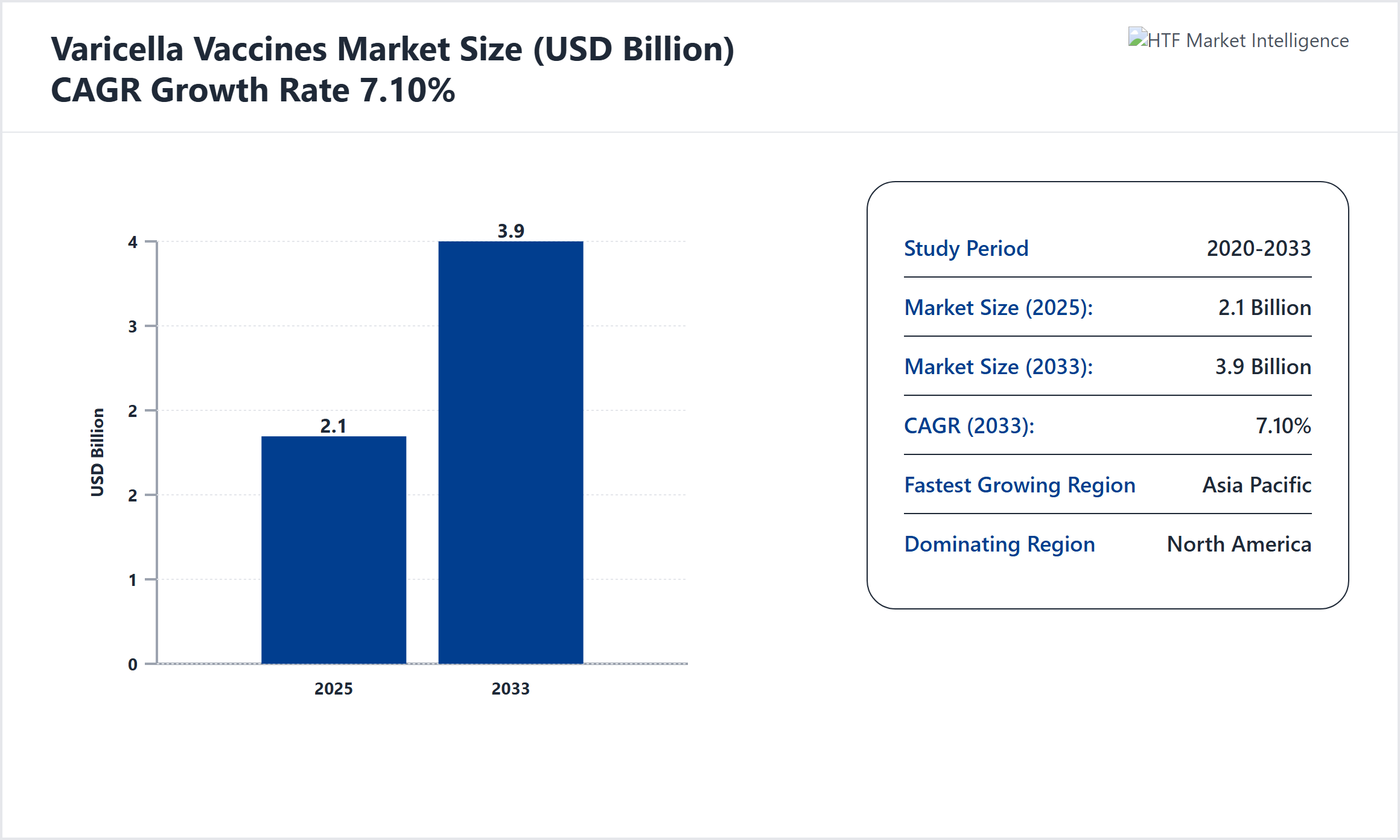
Source: HTF Market Intelligence [HTF MI]
Varicella Vaccines Market Dynamics
TheVaricella Vaccines is driven by factors such as increasing demand in end-use industries, technological advancements, research and development (R&D), economic growth, and increasing global trade.
Market Drivers:
- • Rising immunization awareness
- • Government vaccination programs
- • Pediatric healthcare expansion
- • Increasing daycare enrollment
- • Public health outbreak prevention efforts
- • Vaccine hesitancy concerns
- • Cold storage requirements
- • Regulatory approval timelines
- • Supply chain disruptions
- • Pricing pressures in public tenders
- • Combination MMRV vaccines
- • Cold-chain logistics optimization
- • Expanded adult vaccination focus
- • Improved vaccine formulations
- • Public-private immunization partnerships
- • Emerging market immunization coverage
- • Booster dose programs
- • School vaccination mandates
- • Travel vaccination demand
- • Global health funding support
Market Segmentation
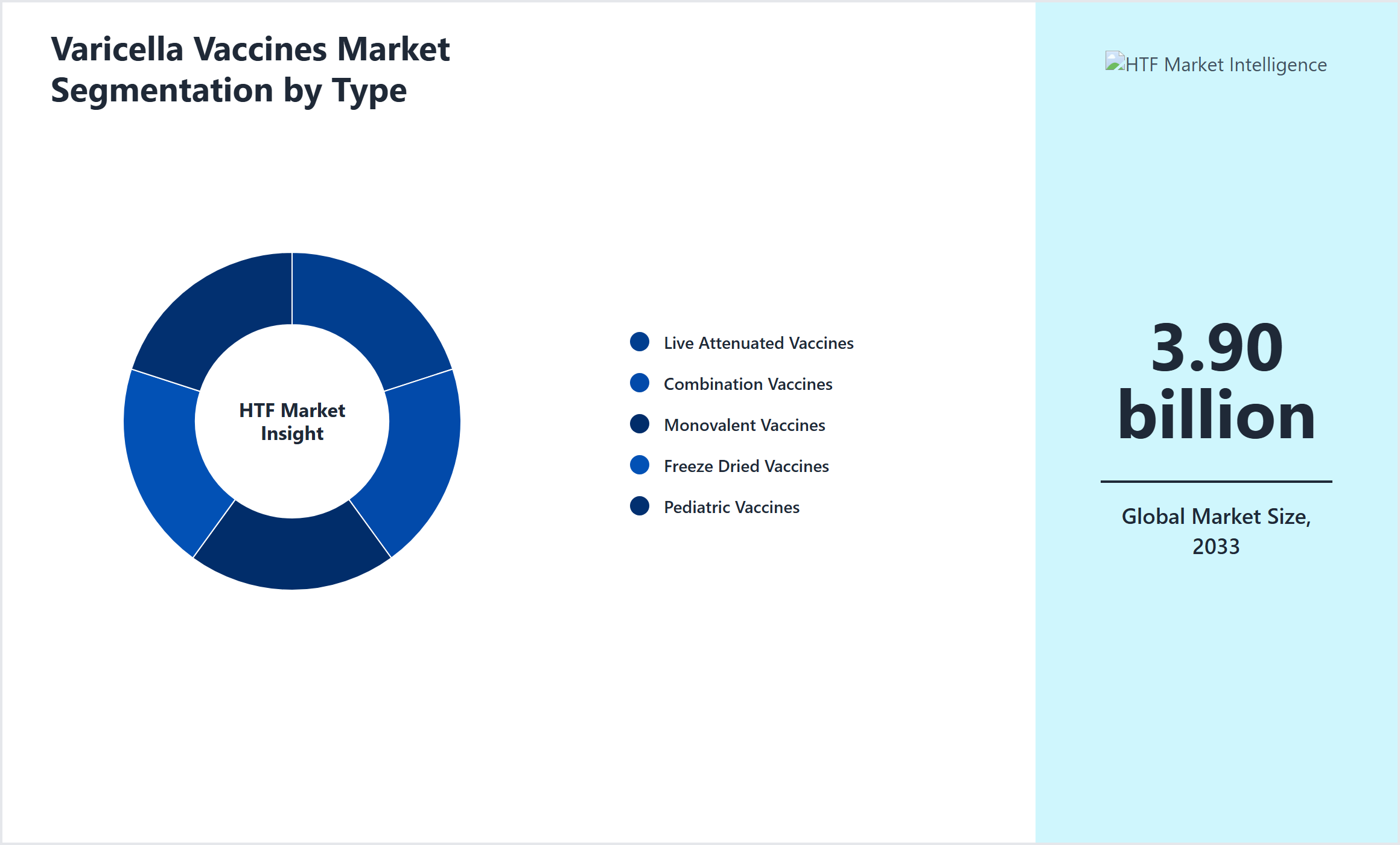
Segmentation by Type
- • Live Attenuated Vaccines
- • Combination Vaccines
- • Monovalent Vaccines
- • Freeze Dried Vaccines
- • Pediatric Vaccines
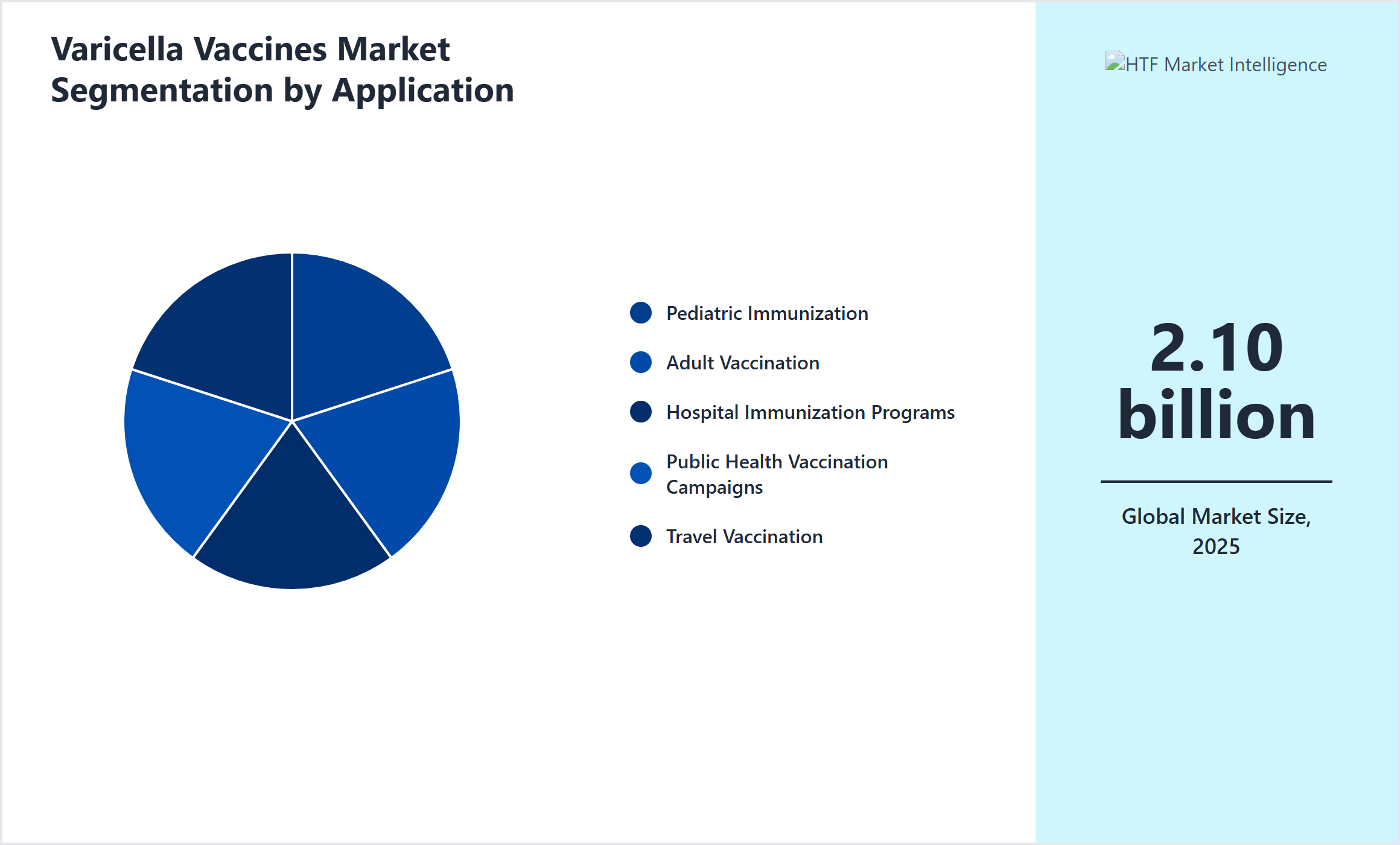
Segmentation by Application
- • Pediatric Immunization
- • Adult Vaccination
- • Hospital Immunization Programs
- • Public Health Vaccination Campaigns
- • Travel Vaccination
Players Involved
- • Merck & Co. (USA)
- • GlaxoSmithKline (UK)
- • Takeda Pharmaceutical (Japan)
- • Sanofi (France)
- • Serum Institute of India (India)
- • Mitsubishi Tanabe Pharma (Japan)
- • Bio-Med Pvt Ltd (India)
- • Changchun Changsheng Life Sciences (China)
- • Sinovac Biotech (China)
- • Green Cross Corp (South Korea)
Regional Outlook
The North America currently holds a significant share of the market, primarily due to several key factors: increasing consumption rates, a burgeoning population, and robust economic momentum. These elements collectively drive demand, positioning this region as a leader in the market. On the other hand, Asia Pacific is rapidly emerging as the fastest-growing area within the industry. This remarkable growth can be attributed to swift infrastructure development, the expansion of various industrial sectors, and a marked increase in consumer demand. These dynamics make this region a crucial player in shaping future market growth. In our report, we cover a comprehensive analysis of the regions and countries, including.
- United States
- Canada
- Mexico
Regional Analysis
- • U.S./EU lead two-dose universal programmes; China becomes largest single market post-2018 NIP inclusion; Japan & Korea deploy MMRV combos; Africa introduces Gavi-funded catch-up campaigns.
Market Entropy
- • Feb 2026: Scale-up of pediatric immunization programs and expanded production agreements announced to improve varicella vaccine availability in low-/middle-income regions.
Marger & Acquisition
- • Jan 2026 – ImmunoVax Biologics acquired ViralShield Therapeutics to expand live-attenuated vaccine manufacturing capacity. Sep 2025 – GlobalVax Group merged with PediCure Pharma to strengthen pediatric immunization portfolio across emerging markets.
Regulatory Landscape
- • WHO PQ FDA/EMA cGMP WHO SAGE two-dose schedule ICH Q5A viral safety cold-chain WHO PQS post-marketing AEFI surveillance; export governed by TRIPS waiver discussions.
Patent Analysis
- • Patents in high-titre Oka strain seed banking serum-free Vero bioreactors lyophilised thermotolerant formulations and next-gen glycoprotein-E subunits.
Investment Funding
- • UNICEF and PAHO revolving funds lock multi-year tenders; Chinese dual-chamber syringe makers raise Series B; CDMOs expand egg-free capacities.
Competitive Innovation Radar
- • Differentiation via 36 °C/14-day stability dual-dose auto-loaders QR anti-counterfeit packs and AI-driven MRV (monitor-report-verify) dashboards cutting cold-chain spoilage ≥ 20 %.
Primary and Secondary Research
Primary research involves the collection of original data directly from sources in the healthcare industry. Approaches include the survey of health professionals, interviews with patients, focus groups, and clinical trials. This gives an overview of the current practice, the needs of the patient, and the interest in emerging trends. Firsthand information on the efficacy of new treatments, an assessment of market demand, and insight into changes in regulation can be sought only with primary research.
Secondary Research: This is the investigation of existing information from a variety of sources, which may include industry reports, academic journals, government publications, and market research studies. Alfred's secondary research empowers them to understand trends within industries, historical data, and competitive landscapes. It gives a wide view of the market dynamics and validates findings obtained from primary research. By combining both primary and secondary data, health organizations will be empowered to develop comprehensive strategies and make informed decisions based on a strong foundation built on data.
Report Infographics
|
Report Features |
Details |
|
Base Year |
2025 |
|
Base-Year Market Size (2023) |
2.10 billion |
|
Historical Period |
2020 to 2025 |
|
CAGR (2025 to 2033) |
7.10% |
|
Forecast Period |
2025 to 2033 |
|
Forecasted Period Market Size (2033) |
3.90 billion |
|
Scope of the Report |
By Type, By Application, By Region |
|
Report coverage |
Sales projection, Competitive Positioning analysis, Growth factors, Future outlook |
|
Companies Covered |
Merck & Co. (USA), GlaxoSmithKline (UK), Takeda Pharmaceutical (Japan), Sanofi (France), Serum Institute of India (India), Mitsubishi Tanabe Pharma (Japan), Bio-Med Pvt Ltd (India), Changchun Changsheng Life Sciences (China), Sinovac Biotech (China), Green Cross Corp (South Korea) |
|
Customization Scope |
15% Free Customization (For EG)
|
|
Delivery Format |
PDF and Excel through Email |
SWOT Analysis in the Healthcare Industry
SWOT analysis in the healthcare industry involves a structured assessment of strengths, weaknesses, opportunities, and threats to identify strategic advantages and areas for improvement.
• Strengths: Evaluates internal factors such as advanced technology, skilled personnel, and strong brand reputation. For example, a hospital with cutting-edge medical equipment and specialized staff is considered to have a strong competitive edge.
• Weaknesses: Identifies internal limitations like outdated facilities, regulatory compliance issues, or high operational costs. Weaknesses could include inefficient processes or a lack of innovation.
• Opportunities: Assesses external factors that could drive growth, such as emerging medical technologies, expanding markets, or favorable government policies. Opportunities might involve partnerships or new service lines.
• Threats: Examines external challenges such as increasing competition, changing regulations, or economic downturns. Threats might include new entrants with disruptive technologies or stricter regulatory requirements.
Research enthusiast focused on transforming data uncovering into actionable insights through data driven decision making.