
Electric Aircraft: Revolutionizing Aviation with Sustainable Flight
Discover how electric aircraft are transforming aviation with sustainable, efficient, and quiet flight. Explore technology, market trends, benefits, and futu...

Introduction
The aviation industry is undergoing a remarkable transformation with the advent of electric aircraft. As global concerns about climate change and carbon emissions intensify, the push for cleaner, quieter, and more efficient flight solutions has never been stronger. Electric aircraft promise to reshape how we think about air travel, offering a sustainable alternative to traditional fossil-fuel-powered planes.
In this article, we will explore the core technologies behind electric aircraft, their practical applications across various sectors, the current market trends driving growth, the benefits they offer to businesses and consumers, as well as the challenges and future outlook of this rapidly evolving industry.
Technology and Concept Overview
Electric aircraft refer to airplanes powered primarily by electric motors rather than conventional internal combustion engines. These vehicles use batteries, fuel cells, or hybrid systems to generate the electrical energy needed for propulsion. The central components include high-capacity batteries, electric motors, power electronics, and energy management systems.
Key terms to understand include:
- Battery Electric Propulsion: Utilizes rechargeable lithium-ion or solid-state batteries to power electric motors.
- Hybrid Electric Propulsion: Combines traditional fuel engines with electric motors to enhance efficiency and extend range.
- Fuel Cells: Generate electricity through chemical reactions (typically hydrogen-based), offering an alternative to batteries.
Historically, electric propulsion in aviation was limited by battery energy density and weight concerns. However, advancements in battery technology, power electronics, and lightweight materials have brought electric aircraft closer to commercial viability.
Industry Applications & Use Cases
Electric aircraft are being deployed in various sectors, each showcasing distinct benefits and real-world success stories.
- Urban Air Mobility (UAM): Electric vertical takeoff and landing (eVTOL) aircraft are designed for short-range urban transport. Companies like Joby Aviation and Lilium are pioneering air taxis, aiming to reduce traffic congestion and provide fast, eco-friendly transportation within cities.
- Regional Commuter Flights: Aircraft such as the Pipistrel Alpha Electro and the Eviation Alice are aimed at short-haul commercial flights, connecting smaller airports with zero emissions and lower operating costs.
- Training & Recreation: Electric trainers like the Bye Aerospace eFlyer provide flight schools with quieter, more affordable, and environmentally friendly options for pilot training.
- Delivery and Cargo: Companies are exploring electric drones and small aircraft for cargo delivery, reducing emissions in logistics and last-mile delivery services.
For example, in 2022, Eviation's Alice completed its first test flight, demonstrating the feasibility of all-electric regional airliners. Similarly, Airbus's CityAirbus NextGen project is advancing the use of electric aircraft for intra-city travel.
Market Trends & Growth Drivers
The electric aircraft market is gaining momentum, driven by regulatory pressure, technological innovation, and growing environmental awareness. According to a 2023 report by MarketsandMarkets, the global electric aircraft market is projected to grow at a CAGR of over 16% from 2023 to 2030.
Several factors fuel this growth:
- Stringent Emission Regulations: Governments worldwide are imposing stricter carbon emissions standards on aviation, encouraging the adoption of cleaner technologies.
- Advancements in Battery Technology: Improvements in energy density and charging speeds reduce weight and increase the range of electric aircraft.
- Investment and Funding: Both private investors and public entities are channeling substantial funds into electric aviation startups and infrastructure development.
- Rising Demand for Sustainable Mobility: Consumers and businesses increasingly prefer eco-friendly transportation options, boosting demand for electric aircraft solutions.
Operators and manufacturers are also exploring hybrid-electric configurations to bridge current technology gaps, further expanding market opportunities.
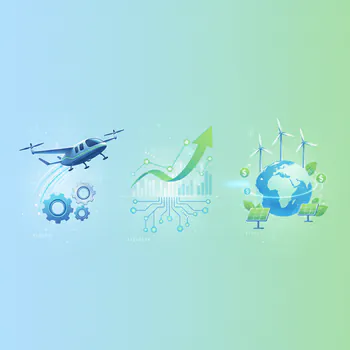
Market Trends & Growth Drivers
Benefits & Advantages
Electric aircraft offer numerous benefits that position them as a transformative force in aviation:
- Environmental Sustainability: Zero or significantly reduced carbon emissions help combat climate change and improve air quality.
- Lower Operating Costs: Electric motors require less maintenance than combustion engines, and electricity costs are typically lower than aviation fuel, delivering substantial savings.
- Noise Reduction: Electric propulsion systems are quieter, benefiting communities near airports and urban environments.
- Enhanced Efficiency: Electric motors provide instant torque and higher efficiency, translating into better aircraft performance.
- Improved Passenger Experience: Smoother and quieter flights increase comfort for travelers.
The return on investment (ROI) for businesses adopting electric aircraft can be compelling, especially for short-haul operations where fuel and maintenance savings accumulate rapidly.
Challenges & Future Outlook
Despite promising advancements, the electric aircraft industry faces several challenges:
- Energy Density Limitations: Current battery technologies lag behind aviation fuel in energy storage per weight, limiting range and payload capacity.
- Infrastructure Needs: Charging stations, maintenance facilities, and regulatory frameworks require development to support large-scale adoption.
- Certification & Safety: Electric aircraft must meet rigorous safety standards, which can extend certification timelines.
Innovations such as solid-state batteries, hydrogen fuel cells, and hybrid-electric systems are promising solutions to these constraints. Industry collaborations and government incentives are accelerating research and development efforts.
Looking ahead, experts predict that electric aircraft will become increasingly prevalent in short to medium-range flights within the next decade. As technology matures, we can expect expanded applications, including larger commercial airliners and cargo planes. The convergence of AI, autonomous systems, and electric propulsion may further revolutionize air travel.
Conclusion
Electric aircraft represent a pivotal shift toward sustainable aviation, addressing the urgent need for greener, quieter, and more cost-effective flight solutions. From urban air mobility to regional commuters and pilot training, their applications are diverse and growing rapidly.
Businesses and governments embracing electric aviation stand to benefit from operational savings, regulatory compliance, and enhanced environmental stewardship. While challenges remain, ongoing technological advancements and supportive policies paint an optimistic future for electric aircraft.
As the industry continues to innovate, staying informed and investing strategically in electric aircraft technology will be key to unlocking a new era of sustainable flight.
Need More Details on Market Players and Competitors?